
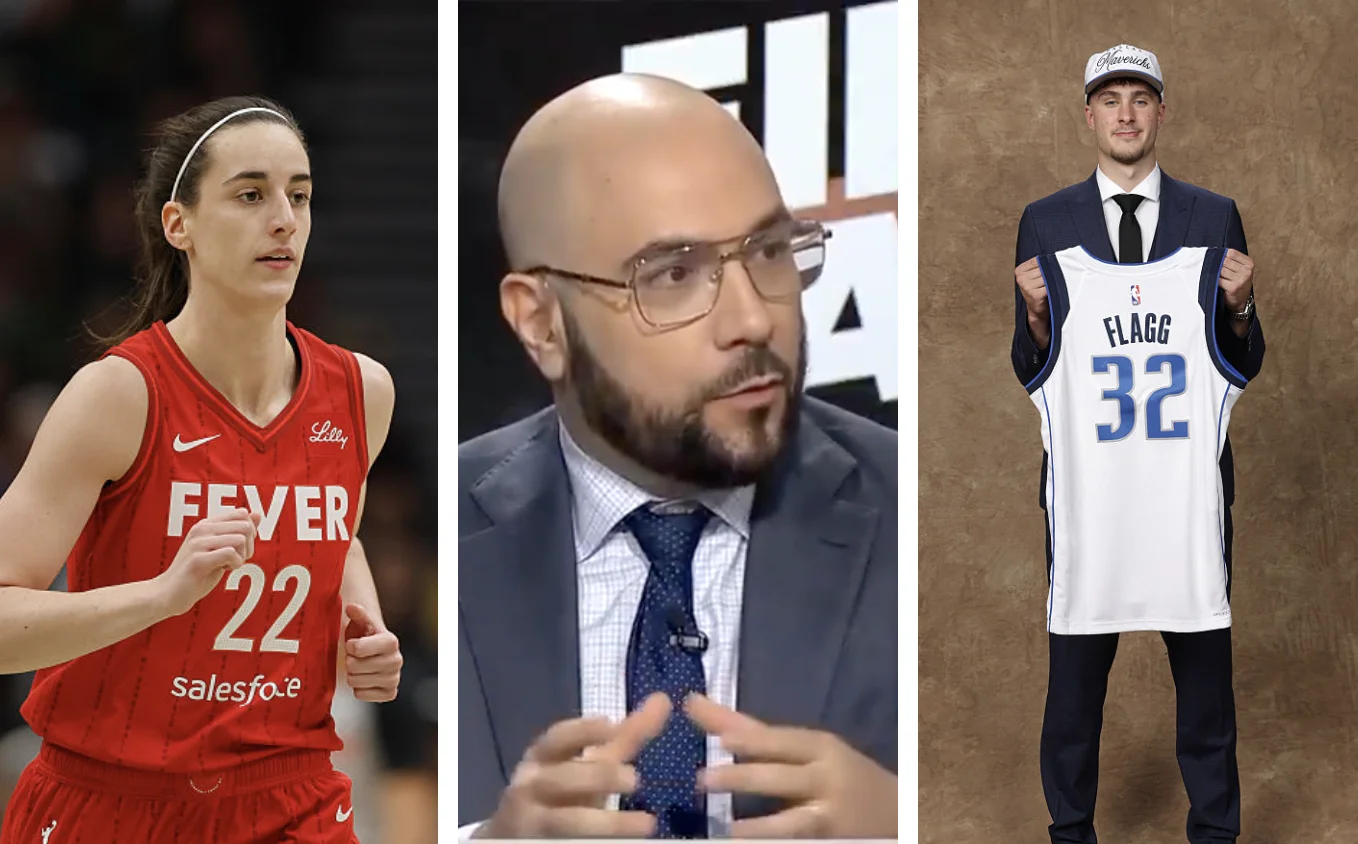

Cooper Flagg became a historic NBA figure as the first American-born white player selected first overall since Kent Benson in 1977, generating strong buzz due to his appeal as a white American basketball prospect. ESPN reignited racial discussions by comparing Flagg to WNBA standout Caitlin Clark, seemingly suggesting that racial interest influences fans’ attention toward both athletes.
On Friday, ESPN commentator Peter Rosenberg asserted that the fascination with Flagg is partly due to his race, implying fans are drawn to him as a white player, similar to the attention Caitlin Clark has received in the WNBA.
Peter Rosenberg’s Perspective on Race and Sports Attention
Peter Rosenberg, a co-host on New York City’s hip-hop station Hot 97, framed the discussion by highlighting racial dynamics in sports coverage. He said,
“Cooper Flagg is a white guy, maybe the best white American prospect since Larry Bird. Let’s not act as if we don’t live in America and we’re not seeing what’s happening with Caitlin Clark in the WNBA,”
on ESPN’s First Take. He added,
“If he’s nearly as good as people expect… no one’s going to be more intriguing or get more eyeballs than what Cooper Flagg’s doing in Dallas.”
Rosenberg often cultivates an image of a white man surrounded by Black culture, which influences his commentary on racial matters within sports.
Past Comments Linking Caitlin Clark to Notions of ‘White Fragility’
Last June, Rosenberg expressed strong opinions about Caitlin Clark’s role in the WNBA, stating,
“It’s almost like Caitlin Clark has been drafted without her own choice to being the face of white fragility. People were like, ‘We want you to be all of the concerns we have about white people getting treated ‘unfairly.’ We’re going to put that on you, Caitlin Clark.”
This framing of Clark as a symbol of “white fragility” sparked debate, with critics arguing that the real tension arises from racial resentment within the WNBA toward Clark’s success as a white player from Iowa.
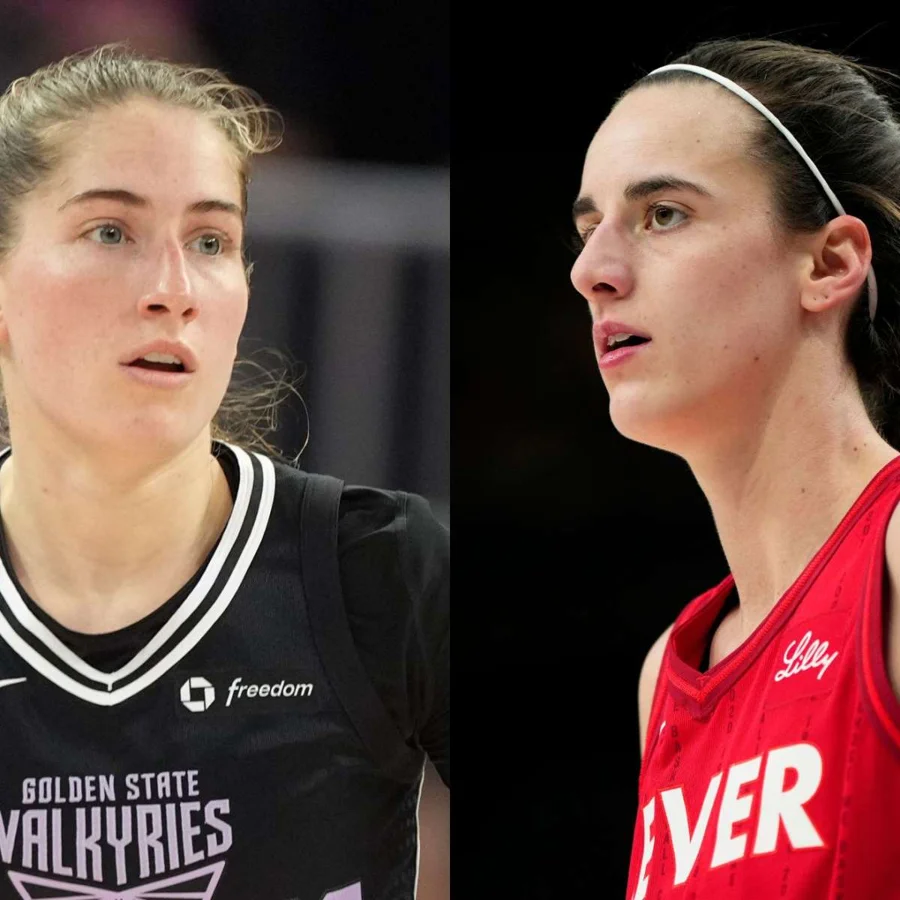
Racial Tensions Persist Among Players and Commentators
Observing the NBA’s cultural climate reveals ongoing racial undertones directed at white players. Black players have reportedly insulted stars like Luka Doncic by calling him a “bitch ass white boy,” while ESPN analysts Kendrick Perkins and Mark Jones have openly expressed personal biases toward white players such as Nikola Jokic, both of whom are international athletes. Flagg’s status as an American-born white player places him in a complex spotlight, likely to encounter similar or heightened challenges as he begins his NBA career in Dallas next season.
This environment underscores tensions fueled by racial sensitivities and divisions within professional basketball and media narratives.
Challenges Ahead for Rosenberg and Media Narratives
As Flagg prepares for his NBA debut, observers question whether Rosenberg’s approach will maintain traction on major sports programs. Comparisons are drawn to Max Kellerman, a former ESPN commentator who reportedly lost favor with Stephen A. Smith after attempting to present himself as especially “woke.” The internal dynamics between influential sports media figures suggest that Rosenberg’s provocative style may limit his longevity on-air.
At this rate, it is speculated that Rosenberg may not remain part of ESPN broadcasts by the time Cooper Flagg participates in the Summer League.