
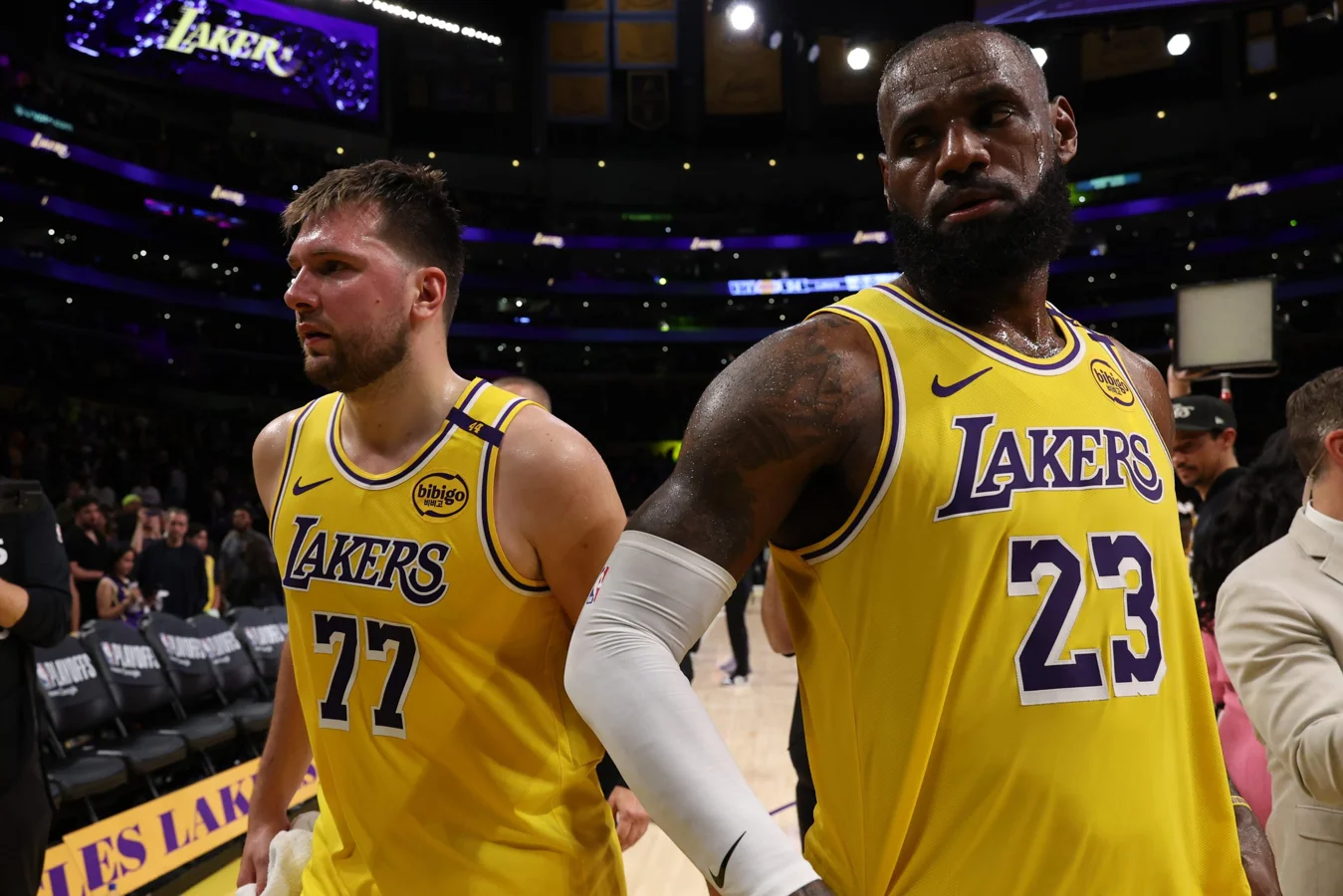

The NBA has transformed dramatically over the last ten years, making the game nearly unrecognizable from before. Defensive schemes have grown more intricate, while offenses now emphasize three-point shooting more than ever, reshaping how teams are built and compete. LeBron James Big 3 era, once dominant, is now considered outdated as the league adapts to a faster and more physical style of play.
Steve Nash and LeBron James recently discussed these changes during their Mind the Game podcast recorded live at Fanatics Fest, shedding light on why assembling three star players no longer guarantees success.
Why the Big 3 Model Has Lost Its Effectiveness
Nash explained that the Big 3 model faces significant challenges today.
“We went through an era where we were trying to find three stars,”
he said, highlighting the shift in approach. He added,
You’re at risk for injuries derailing your team, but two, the game is played so fast and so physically nowadays, that three stars have a hard time keeping that level at both ends of the floor, and it kind of falls apart on both ends.
This fast pace and physical demand mean relying heavily on just three players strains their ability to perform consistently on offense and defense throughout the season.
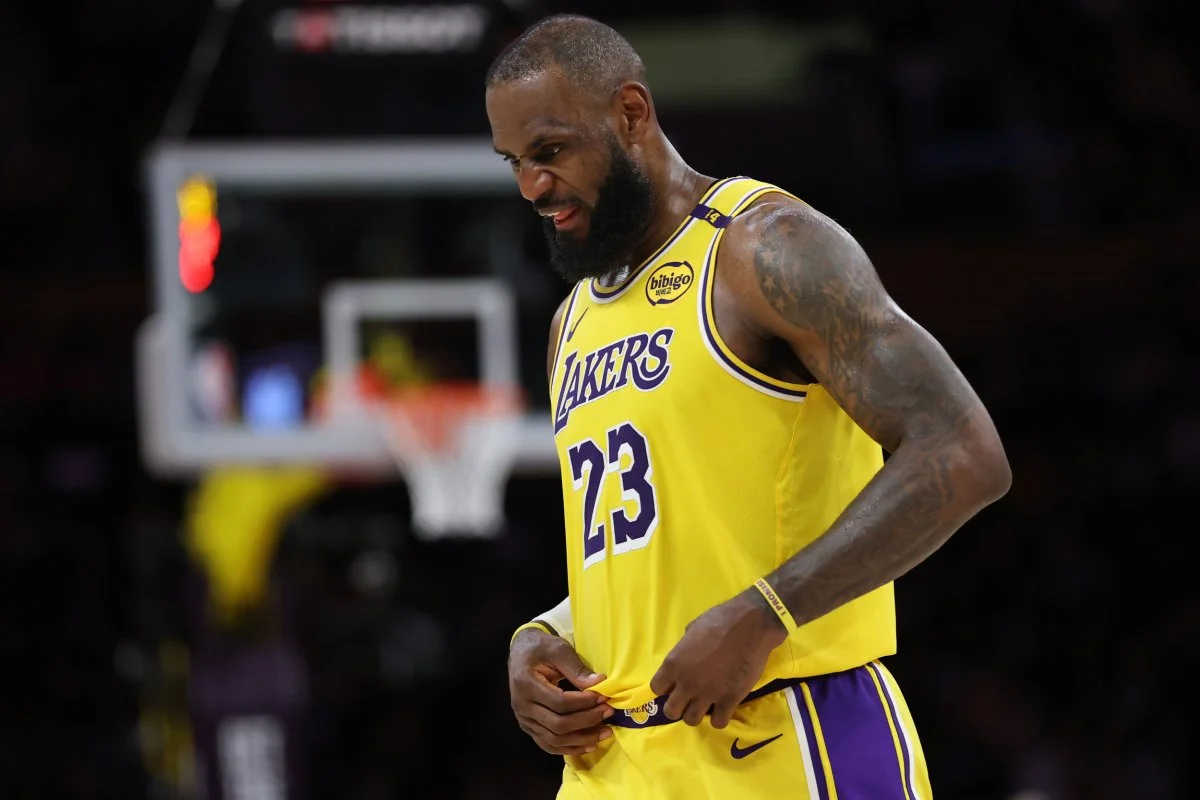
LeBron’s experience with the Big 3 in Miami, where he teamed up with Dwyane Wade and Chris Bosh from 2010, saw great success with minimal role player support, leading to four straight NBA Finals appearances and two championships. However, such dominance is harder to replicate under the league‘s current conditions.
Recent Team Building Trends Highlight Depth Over Star Power
Examples like the Oklahoma City Thunder and Indiana Pacers reinforce the trend toward building deep rosters rather than relying solely on stars. The Thunder’s young, talented team captured a championship with strong roster depth, supported by savvy management under Sam Presti, positioning Oklahoma City for potential sustained success. This challenges the notion that the league’s future is star-centric.
LeBron also pointed out how emerging players like Aaron Nesmith, Obi Toppin, Isaiah Hartenstein, and Alex Caruso have thrived on new teams, illustrating the importance of “complementary guys” in creating winning programs. He said,
All these complementary guys, it’s what builds teams, it’s what builds programs and winning franchises.
Indiana and Oklahoma City, both smaller markets, exemplify that championship contention is possible without being a top destination in free agency, inspiring other teams to follow their blueprint of balancing emerging talent and strategic depth.
Failures of Modern Big 3 Attempts and Lessons Learned
The Phoenix Suns’ experiment with a Big 3 consisting of Kevin Durant, Devin Booker, and Bradley Beal did not yield the expected success, ending with Durant’s trade to dismantle that core. Their struggles highlight the limitations of relying predominantly on three stars in today’s game, reaffirming the league‘s evolution.
LeBron, now with the Los Angeles Lakers, emphasized the need for his team to build a deeper roster. Despite his and Luka Doncic’s status among the league’s best players, insufficient support has contributed to early playoff exits. This reflects the changing dynamics of team success across the NBA, where depth and balanced contributions are increasingly vital.
Impact on the Future of NBA Team Building
The shift away from the Big 3 era signals a broader transformation in how franchises approach constructing rosters. As salary cap regulations and the rising overall talent pool contribute to league parity, teams must adapt by emphasizing depth and versatility rather than overloading star players. This approach appears more sustainable and resilient in the current competitive landscape.
LeBron James and Steve Nash’s insights offer valuable guidance for teams navigating this changing environment. By focusing on balanced rosters featuring strong complementary players, franchises in small markets and beyond may increase their chances of winning, potentially reshaping NBA championship pathways for years to come.
Our Reader’s Queries
Q. Who unfollowed LeBron James?
A. Rest is the most important way LeBron recovers, ensuring he can always give his best performance. He aims for 8 to 9 hours of sleep nightly. If he misses this goal, he compensates with daytime naps lasting up to 2 and a half hours.
Q. Why did Drake unfollow LeBron James?
A. It seems they could have been correct. James might have upset Drake by going to Kendrick Lamar’s “Pop Out” concert in June. At that time, Drake and Lamar’s ongoing feud had intensified, and both artists were releasing diss tracks to outdo each other.