

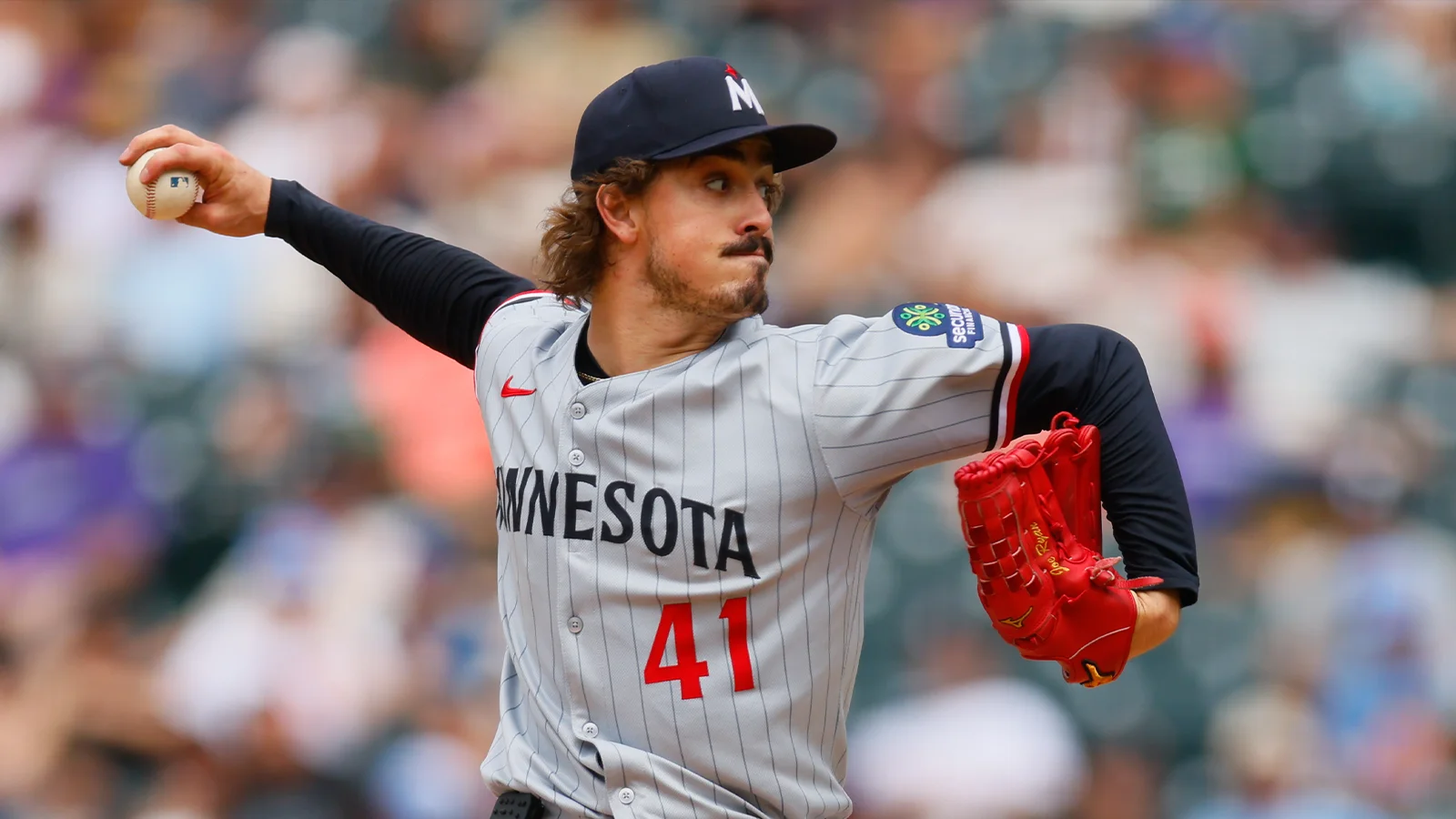
With the 2025 trade deadline looming, the Minnesota Twins are signaling their willingness to make significant roster changes. While the focus has traditionally been on moving impending free agents, recent reports suggest the front office is also entertaining offers for players under team control beyond this season, including Joe Ryan, Griffin Jax, and Jhoan Duran. This development raises critical questions about the best course of action, particularly in relation to the Joe Ryan trade decision controversy surrounding the organization’s leadership.
The fundamental issue is whether the Twins should part ways with players who still have the potential to influence this season’s playoff race and play pivotal roles in the future. Coupled with this is the deeper concern: is Derek Falvey the appropriate executive to oversee these high-stakes trade decisions amid the franchise’s current instability?
Uncertainty Clouds Derek Falvey’s Role as Minnesota’s Baseball Chief
Two major factors amplify the uncertainty about Falvey’s decision-making authority. First, the future ownership of the Twins remains unsettled, with a pending sale that could result in new owners appointing their own front office team. This possibility raises serious apprehensions about allowing a potentially interim executive to execute trades affecting the long-term direction of the franchise.
Secondly, even setting aside ownership changes, Falvey’s record and credibility have come under scrutiny. The Twins face the prospect of missing the playoffs for the fourth time in five years, and while there is some talent scattered across the roster, the overall construction lacks evidence of forward-thinking strategy or innovative baseball vision. These results call into question whether Falvey has the mandate to craft lasting success.
The Risk of Mixed Incentives Under an Uncertain Leadership Tenure
When an executive‘s position is unstable, conflicting incentives often emerge. Naturally, a person unsure of their future might lean toward decisions that protect their tenure or yield immediate results, rather than those that support long-term growth. This could mean favoring players with less upside but more immediate readiness over prospects with higher potential but greater risk.
Trade decisions may then prioritize short-term appeal rather than sustainable value, a dilemma that isn’t necessarily about bad faith but rather a conflict of stewardship responsibilities. Given that Ryan, Jax, and Duran still hold considerable trade value well into the offseason and next year’s deadline, many wonder if delaying moves until new leadership takes over might better safeguard the franchise’s future.
Assessing Falvey’s Track Record With Significant Player Trades
Evaluating Derek Falvey’s competency in managing such consequential moves involves reviewing his prior major trades. On one hand, acquiring Joe Ryan in exchange for Nelson Cruz stands as a clear successful move. However, the trade sending José Berríos to Toronto for Austin Martin and Simeon Woods Richardson has had mixed outcomes. Woods Richardson has recently improved, but Martin has largely been regarded as either a scouting error or a development shortfall.
Beyond these headline deals, the broader evaluation under Falvey’s leadership has not been encouraging. Draft selections have shown inconsistency, acquisitions have been average, and an underperforming core group of players lingered longer than expected. Prospects like Jose Miranda, Edouard Julien, Trevor Larnach, Matt Wallner, and Austin Martin have all demonstrated flashes of potential but never reached sustained success, highlighting systemic issues in scouting and development.
This shaky developmental foundation casts doubt on the front office’s ability to successfully execute complex and high-risk trades in the current climate.
Balancing the Timing of Trades With Potential Returns
There is also the opportunity cost of waiting too long to act. The trade deadline represents the period when contenders are willing to pay premium prices, suggesting that if the Twins are to move Ryan, Jax, or Duran, this could be the optimal moment to maximize returns. Delaying trades until the offseason might reduce leverage and lead to lower offers.
However, the value received in return must go beyond surface-level looks. It is essential to consider whether the returns would truly contribute to sustained competitiveness or if a new front office could derive more value by building carefully around a slightly smaller haul of assets. Success may hinge not only on the pieces acquired but also on the strategic framework used to develop and incorporate them.
Weighing Falvey’s Role in the Twins’ Future Amid Trade Controversy
The debate continues over whether Derek Falvey should remain the driving force behind pivotal trade decisions involving players such as Joe Ryan, Griffin Jax, and Jhoan Duran. The pending ownership transition and Falvey’s mixed track record feed into a larger question of accountability and strategic foresight.
Fans and analysts alike are left to consider whether pressing ahead under Falvey’s leadership is the wisest path or if patience is warranted, deferring big moves until a potentially new front office can take the helm. The choices made in the coming months will not only shape the Twins’ immediate trajectory but also define their competitive outlook for years to come.
Our Reader’s Queries
Q. Is Joe Ryan healthy?
A. Ryan was unable to play for the last two months of the 2024 season because of a shoulder strain. Now, in Fort Myers, he seems fit and strong. His consistent performance on the mound is a hopeful indication for the Twins, suggesting he is getting back to his old self.
Q. How did the twins get Joe Ryan?
A. Ryan’s response was somewhat surprising. Minnesota got him from Tampa Bay in a trade for Nelson Cruz. They helped him become an All-Star pitcher with his best career stats: a 2.72 ERA, a 3.20 FIP, and a 121/23 K/BB ratio over 109 1/3 innings this season.