
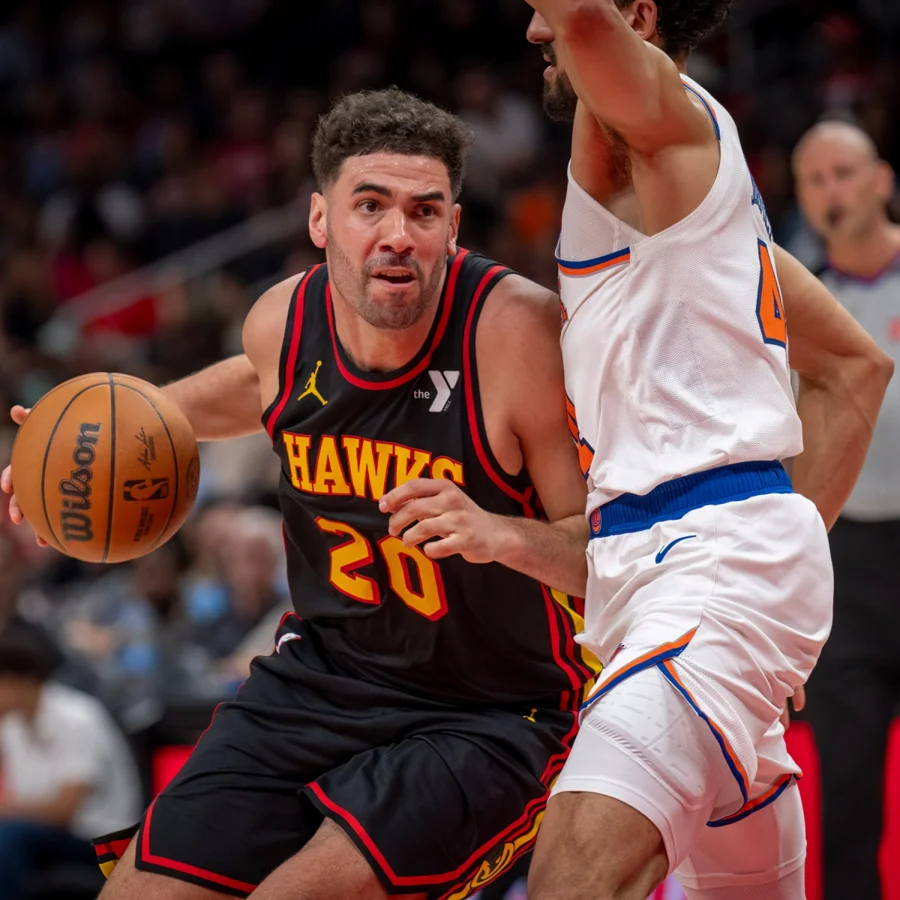

On Tuesday, Georges Niang was traded from the Boston Celtics back to the Utah Jazz, marking a notable shift in his <a href=”https://www.buzzineintl.com/category/basketball/nba/”>NBA journey. This transaction, occurring ahead of the 2025 NBA season, reunites Niang with the franchise where he made his most significant impact, while providing the Celtics with crucial salary cap flexibility.
Returning to Familiar Ground in Utah
Georges Niang entered the NBA in 2016, initially playing for the Indiana Pacers, where he saw limited action across 23 games. His move to the Utah Jazz in 2018 on a two-way contract gave him the opportunity to prove his value. Over time, Niang secured a standard NBA contract, becoming an integral part of Utah’s rotation due largely to his consistent three-point shooting.
In his four seasons with the Jazz, Niang participated in more than 200 games, averaging six points per contest and shooting an impressive 41 percent from beyond the arc. His performance ultimately attracted interest from other teams, leading to his free agency pursuit by the Philadelphia 76ers in the 2021 offseason under the management of Daryl Morey.
Impact and Transitions in Philadelphia and Beyond
Niang’s tenure with the Philadelphia 76ers, though brief, was marked by his efficient shooting and steady contributions. Over 154 games, he averaged nine points per game and displayed reliable accuracy, converting 40 percent of his three-point attempts. His strong output made him a sought-after player, making it difficult for the 76ers to maintain him within salary constraints during the 2023 free agency period.
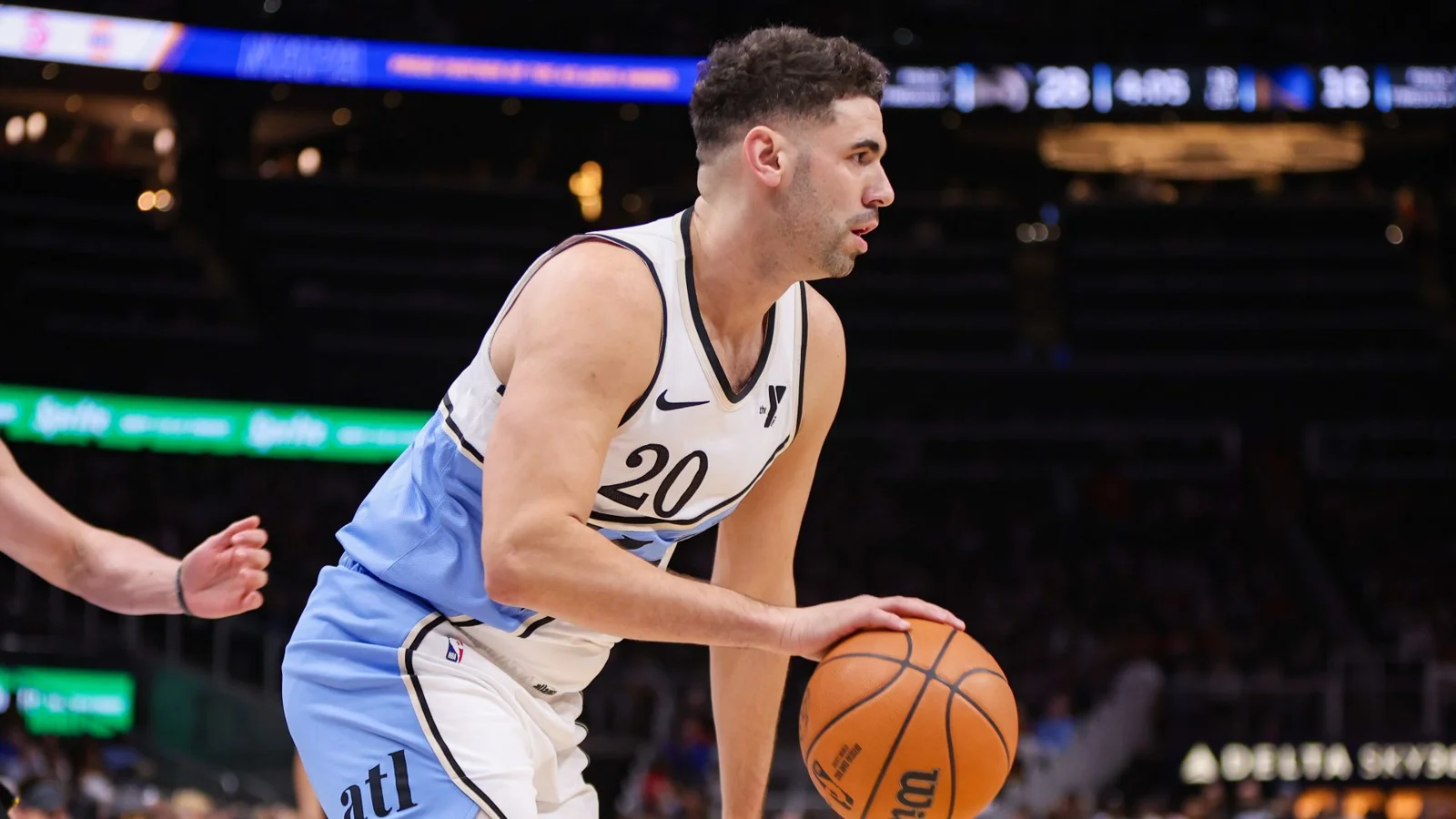
Following Philadelphia, Niang signed with the Cleveland Cavaliers, where he continued to average nine points and added four rebounds per game in 133 appearances, maintaining nearly 39 percent shooting from three-point range. Midway through the 2024-2025 season, Cleveland traded him to the Atlanta Hawks, where he registered a career-high average of 12 points per game over 28 contests, keeping his three-point percentage consistent at 41 percent.
Niang was subsequently traded to the Boston Celtics, a franchise just two seasons removed from their championship triumph. Despite the local ties and potential fit, the Celtics decided to move him again this offseason, leading to his current return to Utah.
The Strategic Implications of Niang’s Trade
When Niang was traded back to Utah, it was not merely a player movement but a strategic salary cap decision, as noted by NBA insider Shams Charania:
“Niang returns to Utah now and his salary goes into the massive John Collins trade exception along with two draft assets. The move allows the Celtics have more salary relief below the second apron.”
—Shams Charania, NBA Insider
This maneuver grants the Celtics greater payroll flexibility, enabling them to manage their salary commitments more effectively under the NBA’s luxury tax and salary cap restrictions. For Utah, reacquiring Niang means welcoming back a reliable veteran shooter who can contribute immediately and bolster their roster depth.
What Niang’s Return Means for His Career and Utah’s Prospects
Niang’s return to Utah offers a sense of familiarity and stability for a player with a career defined by effective floor spacing and steady scoring from long range. His ability to consistently hit three-pointers makes him a valuable asset for any team focused on perimeter shooting.
While the long-term future of Niang with the Jazz remains uncertain, his veteran presence and shooting prowess position him well to influence the team’s performance in the coming season. For the Celtics and other NBA teams involved, this trade is part of broader moves aimed at roster balancing and salary optimization amid an increasingly competitive league landscape.