
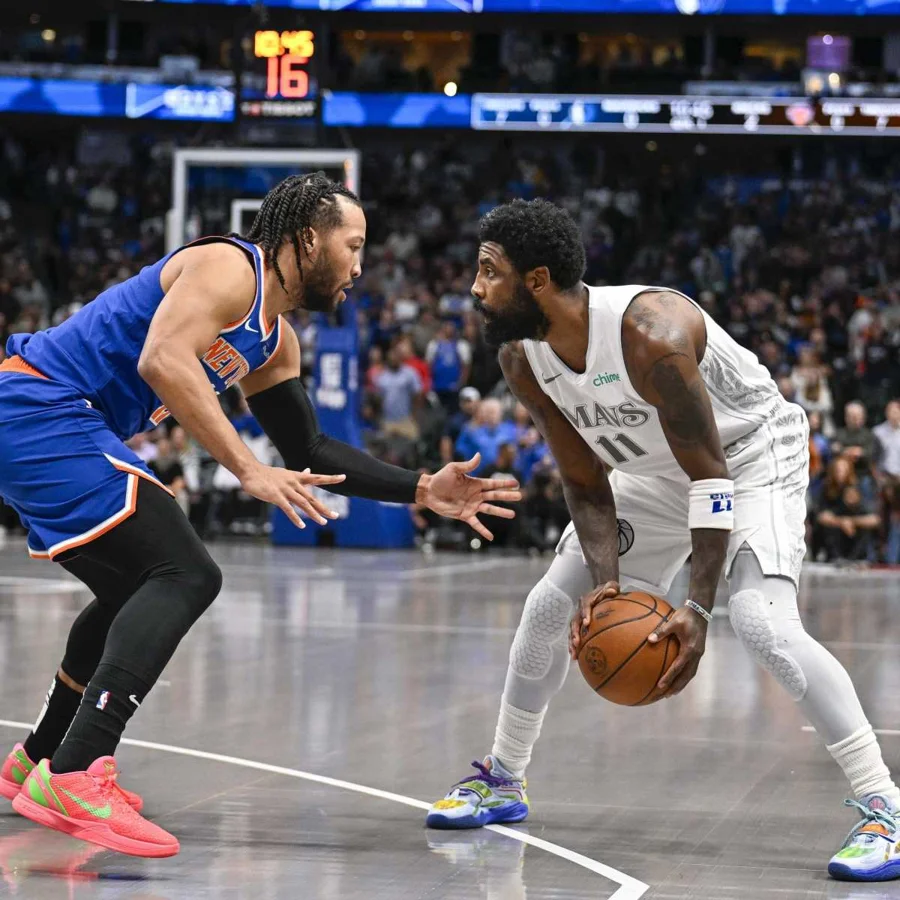

Kyrie Irving, selected as the first overall pick in the 2011 NBA Draft, launched his professional career with the Cleveland Cavaliers. Across six seasons with the franchise, he established himself as a key figure, playing a crucial role in securing Cleveland’s first NBA championship in 2016. Despite this success, his tenure with the Cavaliers ended when he was traded to the Boston Celtics in exchange for Isaiah Thomas, Jae Crowder, Ante Zizic, and a 2018 unprotected first-round draft pick.
Facing Challenges Within a Struggling Team
In a recent livestream, Irving openly discussed the difficulties he encountered during his early years with the Cavaliers. He expressed gratitude for the opportunities the team offered but also emphasized the struggles that come from playing on a losing team.
To have started my career with… I love Cleveland, don’t get me wrong. I’m appreciative of all the things that they’ve done for me, but at the same time, I would’ve loved to choose the franchise I wanted to go to,
he reflected.
This desire to select his own path underscores a common feeling among young athletes who are often placed in difficult situations early in their careers. Being part of a team that frequently loses can foster unproductive habits and a challenging development environment.
How Early Setbacks Shaped Irving’s Playing Style
Irving admitted that the frequent losses during his initial seasons influenced his growth and mindset as a player. He acknowledged developing certain negative tendencies and a winless mentality.
I had a lot of bad habits; I was not a winner; I was not a good loser at all; I take my accountability,
he said candidly.
The pressure of constant defeat pushed him to focus more on individual scoring rather than team-oriented success. Such experiences illustrate the complex nature of personal development in a highly competitive league like the NBA, where the surrounding environment can heavily impact a player’s evolution.
Hints at Untold Stories and Future Reflections
Irving hinted that there is more to his story than he has publicly shared so far, suggesting deeper insights could come once his playing career concludes.
When I’m done playing, you guys will hear the real story,
he teased.
His openness offers a valuable perspective on the obstacles faced by young NBA players, particularly those starting with struggling franchises. While his journey has since seen him become one of the league’s most skilled talents, the lessons learned during his early years in Cleveland continue to influence how he approaches both basketball and life.