
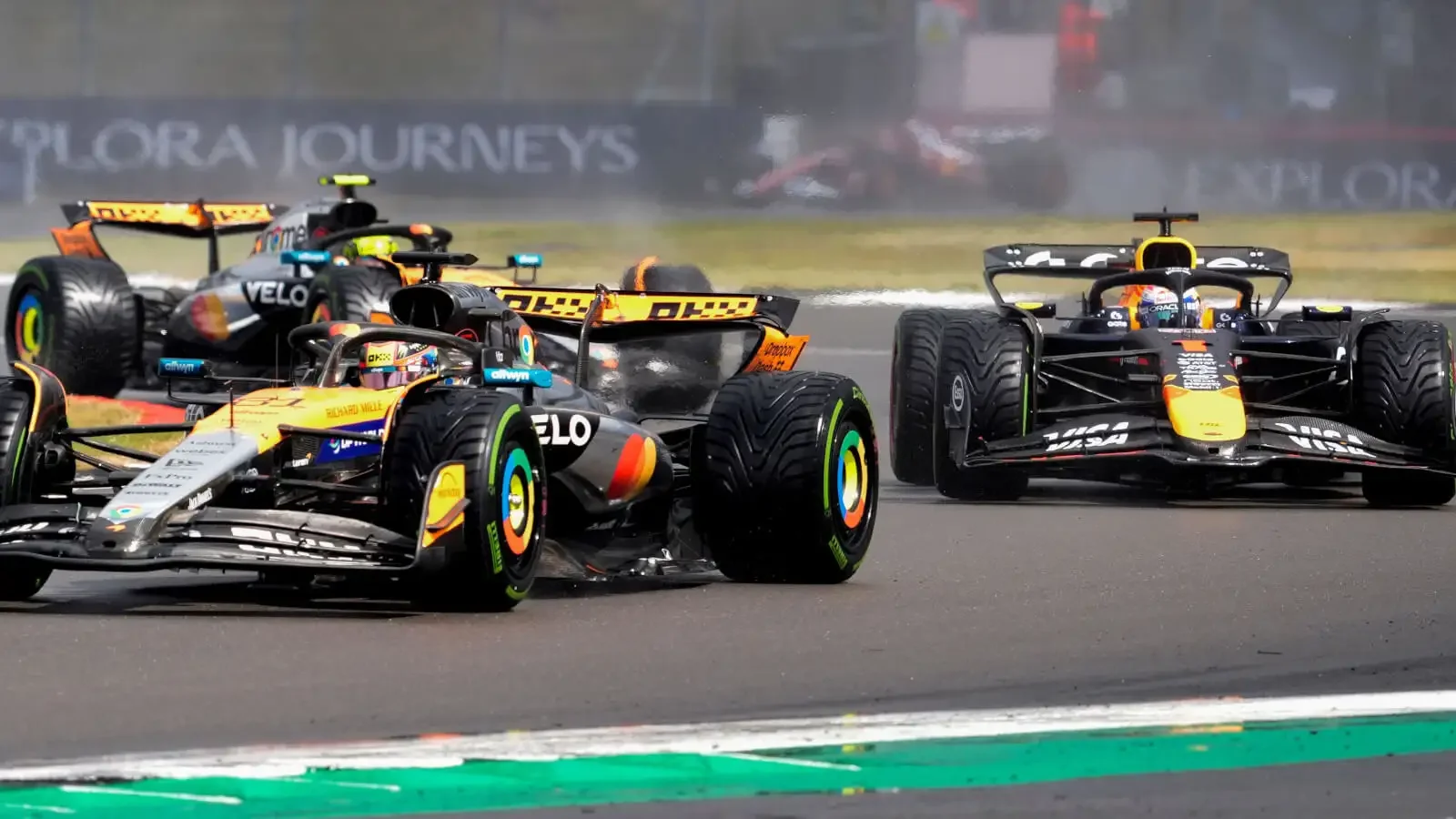

Red Bull Racing is currently experiencing significant instability as it navigates performance struggles this season. The Austrian team elected to remove Christian Horner from his position as team principal following the British Grand Prix, marking a major shift in Milton Keynes’s management. Amid this turmoil, former Formula 1 chief Bernie Ecclestone has highlighted a potential succession problem concerning Max Verstappen that mirrors the complications Red Bull faced with Horner’s departure.
Christian Horner had been at the helm of Red Bull Racing since its debut season in 2005, establishing the team as a powerful presence in Formula 1 and securing multiple world championships. However, ongoing controversies throughout the previous year led to Verstappen’s camp apparently pushing for Horner’s exit. This unexpected split left the team without a clear successor internally, resulting in Red Bull bringing in Laurent Mekies from Racing Bulls to fill the leadership gap.
Ecclestone Compares Horner’s Exit to Future Risks with Verstappen
Bernie Ecclestone described the situation involving Horner as akin to a
“marriage that ended in a divorce,”
emphasizing the absence of a solid replacement plan when the team principal left. He drew parallels to Max Verstappen’s position within Red Bull, noting that the Dutch driver, much like Horner, currently has no identified successor to carry on his legacy. At 94 years old, Ecclestone issued a warning that Red Bull may face similar difficulties if Verstappen departs or cannot continue, as the team seems unprepared for such a scenario.
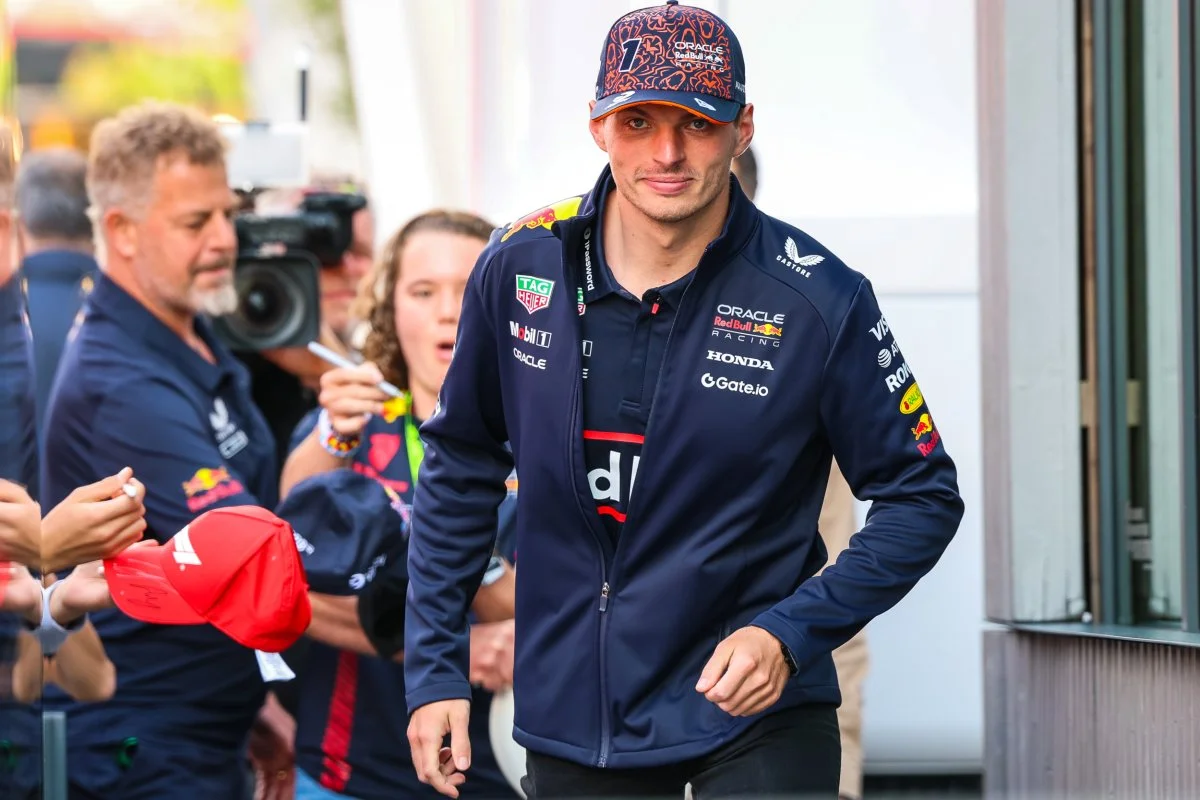
“It was a bit like a marriage that ended in a divorce. He did a very good job, but he was viewed, just like Max Verstappen, as someone that did not have a proper number two. It is hard to criticize someone who is winning races and championships, but there was no plan B in case something went wrong with either Christian or Max.”
—Bernie Ecclestone, former F1 chief
The Importance of Developing a Strong Backup Strategy at Red Bull
As Ecclestone highlighted, the lack of a “plan B” threatens Red Bull’s stability in the long-term, especially considering their heavy reliance on Verstappen’s talent. The team’s current challenges underscore the vulnerability created by depending too much on a single key figure without grooming successors. Following Horner’s exit without a clear heir, Red Bull’s leadership choices are under intense scrutiny, as are its preparations for Max Verstappen’s eventual replacement or support.
Learning from McLaren’s Balanced Driver Lineup
Ecclestone suggested that Red Bull could benefit from examining McLaren’s approach to driver management. Unlike Red Bull, McLaren currently fields two competitive drivers—Lando Norris and Oscar Piastri—who consistently challenge one another, offering both a thrilling rivalry for fans and strategic depth for the team. This dynamic reduces McLaren’s reliance on a single driver and helps avoid the kind of succession crisis that Red Bull might face.
Ecclestone stressed the value of having two nearly equal drivers, but noted that this approach requires providing identical equipment to maintain fairness and competitive balance between teammates.
“This can cause problems. It is good to have two more or less equal drivers like McLaren has today. It works if you can deliver the exact same machinery for both drivers.”
—Bernie Ecclestone, former F1 chief
Red Bull’s Growing Dependence on Verstappen Raises Concerns
Red Bull is increasingly reliant on Max Verstappen’s pace and skill, yet the team has yet to identify a driver who can match his performance levels. The team is still deliberating on who will partner Verstappen from 2026 onward, a decision that will be critical for their prospects in the upcoming seasons. Milton Keynes is likely to take extra time to choose wisely, given the importance of this appointment to sustain their competitiveness.
The warnings from Bernie Ecclestone come at a turbulent time for Red Bull Racing, as they seek to stabilize leadership and secure their future driver lineup. How the team addresses these succession challenges will have a significant impact on its ability to maintain dominance in Formula 1 in the years ahead.