
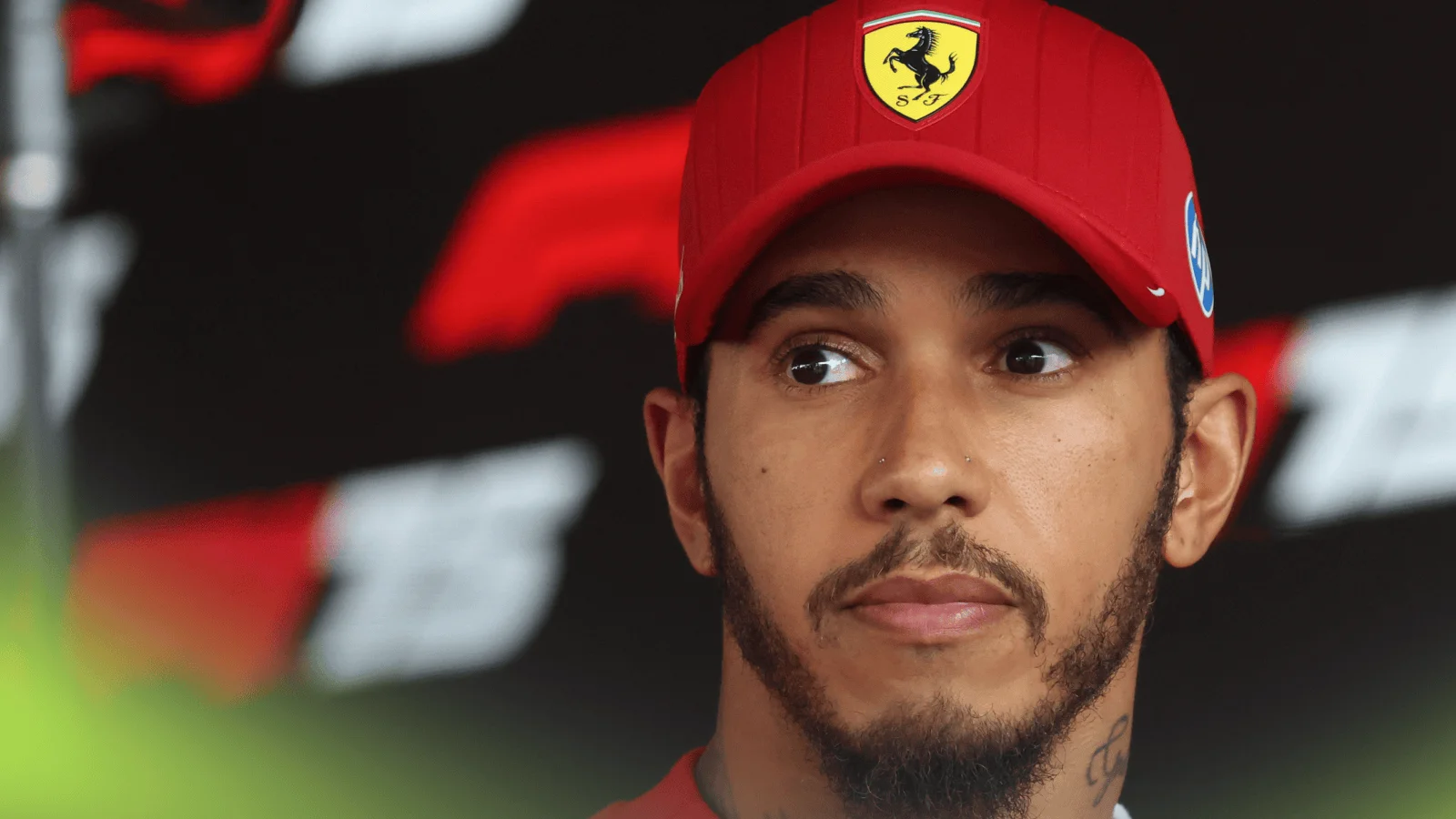

Lewis Hamilton, regarded as one of the most prominent figures in Formula 1, continues to shape the sport at 40 years old. While he remains active on the track, the possibility of his retirement looms as a significant moment in F1 history. Hamilton’s ongoing involvement, both inside and outside racing, ensures his influence will persist well beyond his driving career, emphasizing his potential to impact the future of the sport.
Known widely not just as a seven-time world champion but also as a committed activist, Hamilton’s role extends far beyond racing. His interest in fostering inclusivity and tackling inequality across motorsport positions him as an essential figure for change, particularly through his work outside the cockpit.
Lewis Hamilton’s commitment to equality and development in motorsport
Hamilton’s dedication to social issues is evident in his vocal stance on inequality and injustices present both within and outside the racing paddock. Beyond his public calls for change, he established Mission 44, a foundation geared toward addressing disparities starting from education, aiming to expand opportunities for underrepresented youth.
Additionally, Hamilton actively supports the F1 Academy, an all-female racing series designed to nurture young female talent. By encouraging diversity among drivers and addressing barriers faced by women in roles such as engineers and mechanics, Hamilton seeks to broaden the sport’s inclusivity.
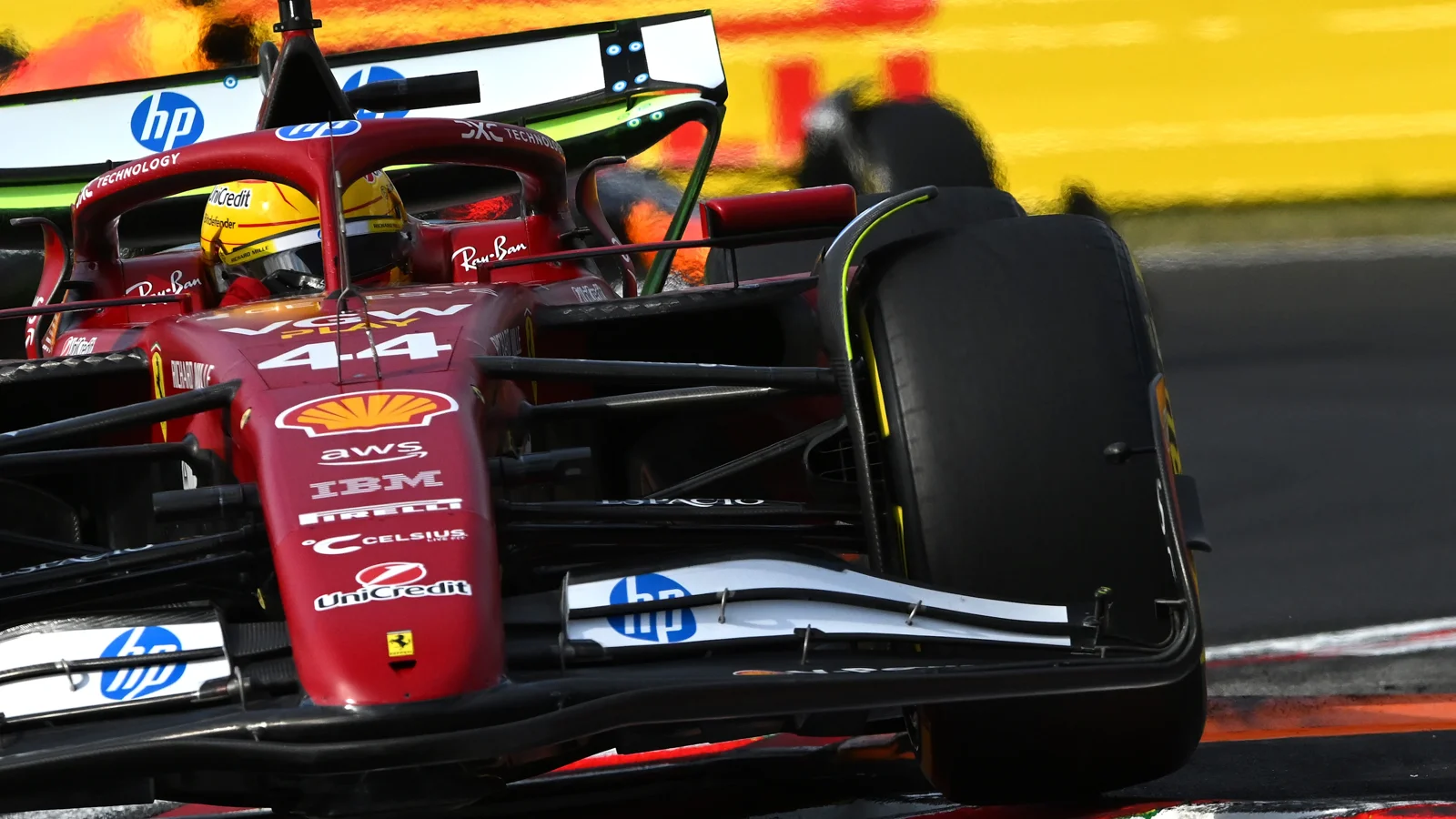
Reflecting on his future, Hamilton once stated:
We have a lot more work to do as a team. As individuals in the team. We have a lot more to do in the sport, I want to be a part of that shifting.
—Lewis Hamilton
He also emphasized the importance of diversity beyond driving roles:
The work on the track and off the track, particularly things, we’re talking about diversity. We’re getting more and more women, it’s not just about drivers, it’s about finding out what those barriers are for women back here as engineers, as mechanics, and giving them a platform and giving them opportunities.
—Lewis Hamilton
Potential for expanded influence after retirement
While Hamilton currently balances his racing career with various pursuits—including fashion and film—his availability for long-term initiatives in motorsport remains limited. Upon retiring, he would be able to focus more fully on transformative projects within F1, similar to the path taken by Sebastian Vettel, who has championed environmental programs and advanced women’s motorsport roles in Saudi Arabia.
Hamilton’s connection with key figures such as Toto Wolff and Susie Wolff positions him well to contribute meaningfully to the F1 Academy. Susie Wolff’s leadership as managing director of the series creates a strategic opportunity for Hamilton to support female drivers by providing mentorship, visibility, and investment. This alignment could substantially elevate the academy’s impact on developing female talent.
Further involvement could include expanding grassroots access to karting for young girls, an effort Hamilton’s Mission 44 already supports. By growing the pipeline for future female racers, Hamilton’s influence might fundamentally reshape opportunities for women in motorsport.
Shaping the future generation and culture of Formula 1
Even after he stops racing, Hamilton could remain a crucial advocate for diversity, inclusion, and fairness across F1. Alongside Vettel, his continued presence would encourage other drivers to use their platforms responsibly and speak out on critical issues. If new talents entering the sport are educated and supported in understanding these challenges, the progress made toward a more inclusive paddock is more likely to endure.
As Formula 1 continues to evolve, Hamilton’s future impact F1 is not confined to his results on the track but extends to his leadership in transforming the sport’s culture. Whether by empowering young drivers or breaking down non-driving barriers, his role in shaping F1’s next chapter may prove as vital as his championship titles.