
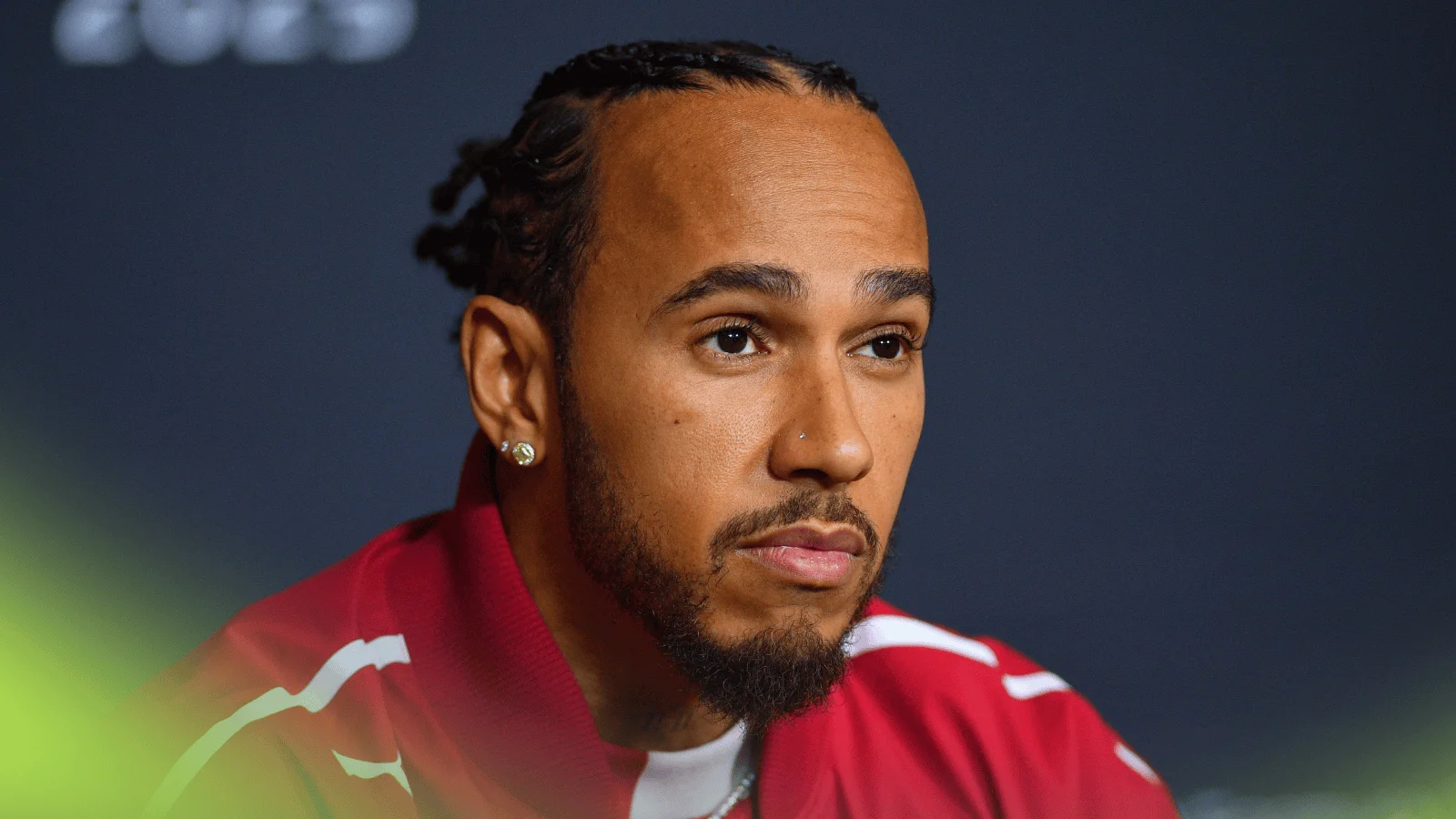

Lewis Hamilton has submitted detailed requests to Ferrari regarding their Project 678 car as he aims to revive his Formula 1 career in 2026. The seven-time World Champion, who joined Ferrari after a long tenure at Mercedes, is striving to overcome difficulties with the new team and rules ahead of the upcoming season.
After a challenging start to life at Ferrari, Hamilton is focused on refining the car and team processes to better suit his driving style and enhance performance under Formula 1’s new regulations for 2026.
The challenges Hamilton faces early in his Ferrari tenure
Hamilton’s switch to Ferrari at age 40 has not delivered the immediate success many anticipated, as he has yet to reach the podium in his first 14 races with the Scuderia. Adjusting from a highly successful 12 years at Mercedes to Ferrari’s distinct setup and atmosphere has proven difficult for the driver.
Following a test session with Ferrari in January at Fiorano, Hamilton has openly discussed ongoing issues adapting to the SF-25 car, especially related to its braking system and overall handling. These struggles have motivated him to communicate extensive feedback to Ferrari’s technical team.
Detailed feedback targets car systems and team coordination
According to reports from Italy’s La Gazzetta dello Sport, Hamilton’s submissions go beyond car modifications, encompassing improvements in work methods, interdepartmental communication at Maranello, and race weekend strategies. A primary technical concern remains the braking system, where Hamilton notes stark differences compared to Mercedes’ engine braking.
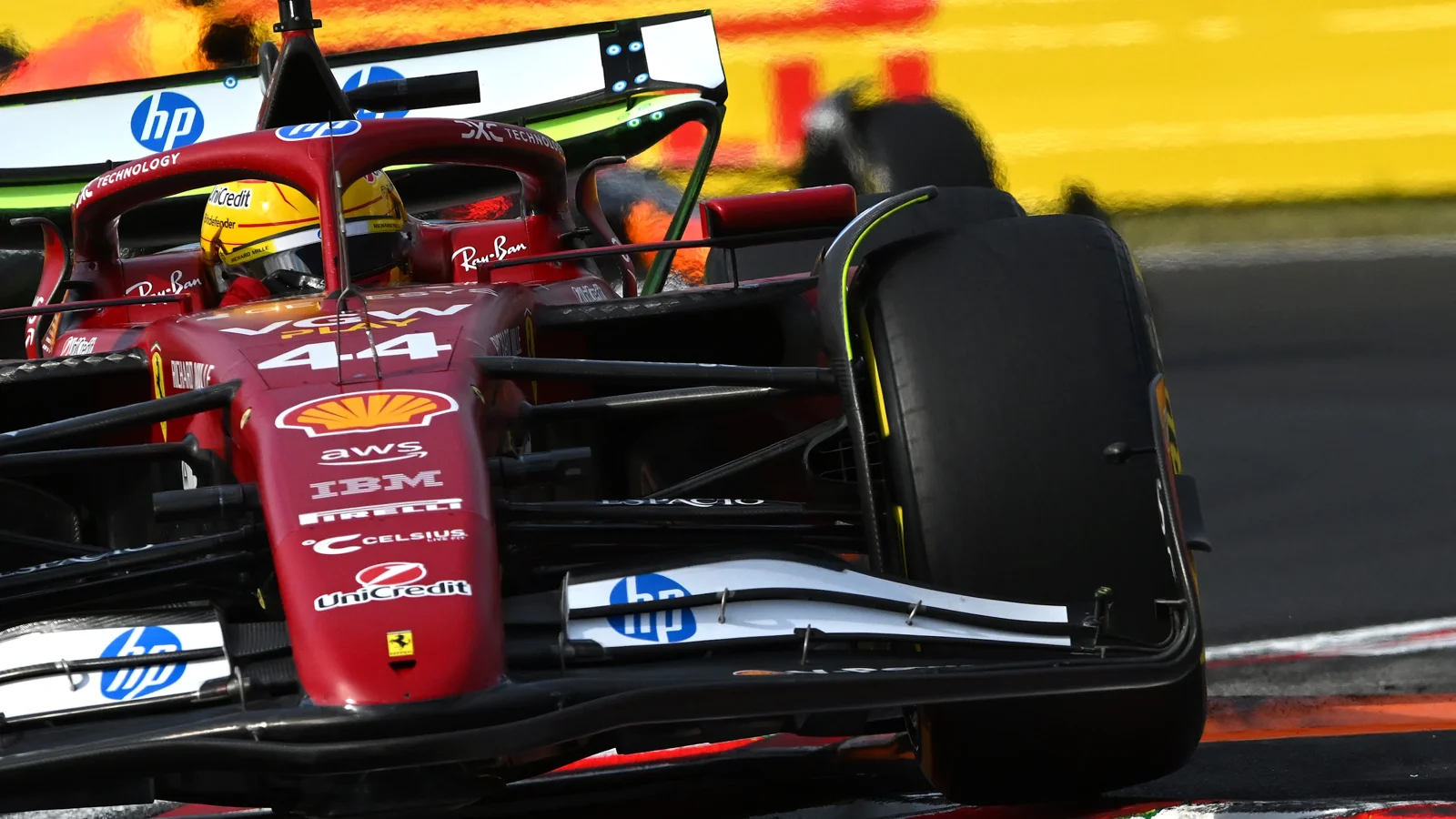
His difficulties with Ferrari’s braking setup became evident during the Belgian Grand Prix sprint qualifying, where Hamilton spun unexpectedly at the Bus Stop chicane. This incident was linked to his unfamiliarity with Brembo’s discs and pads, combined with Ferrari’s more pronounced engine braking intervention.
“Specific characteristics” of Ferrari’s braking continue to challenge Hamilton’s ability to confidently manage deceleration throughout laps, even after adjustments aimed at improving his comfort. Consequently, Hamilton has requested further technical data on the 2026 power unit to address these braking issues definitively.
Handling concerns and differing setup preferences between teammates
Another consequence of Ferrari’s technical choices is the 2025 switch to a pull-rod front suspension. While this has improved steering precision on corner entry, it has introduced understeer in more complex corners. Both Hamilton and teammate Charles Leclerc identified these issues, especially during high-speed circuits such as Silverstone and Jeddah.
Leclerc expressed his concerns about high-speed handling earlier in the 2024 season at the Jeddah circuit, prompting Ferrari to work on minor power steering upgrades. Hamilton, meanwhile, has attempted to address the handling challenges by increasing front-end load during car setups, which has increased steering sensitivity.
However, Hamilton has been constrained by limited setup options in Ferrari’s simulator. This has forced him to trial various combinations of bars, shock absorbers, and aerodynamic configurations in real track conditions, resulting in setups that deviate noticeably from Leclerc’s more consistent choices.
Impact of divergent setup approaches on Project 678 development
As Hamilton experiments with a wider range of car setups, his divergent approach contrasts with Leclerc’s preference for stability, despite the assumption that both drivers’ similar driving styles would align their demands. Ferrari had initially expected harmony in setup choices, which now seems uncertain.
This discrepancy poses potential risks for Project 678’s development, which is at an advanced stage in Maranello. Achieving the right aerodynamic and chassis balance early in the 2026 rules cycle is critical, and differing driver requirements could impede efficient progress.
Refusal to accept a repeat of past Ferrari disappointments
Hamilton’s determination to go beyond his current struggles is fueled by a desire to avoid becoming another champion who failed to clinch a title with Ferrari, joining the likes of Fernando Alonso and Sebastian Vettel in this regard. His ongoing efforts demonstrate a commitment to mastering the SF-25 and ensuring better results under the new regulations next year.
“I have submitted various documents to the team to help turn this situation around.” —Lewis Hamilton, F1 Driver
“My willingness to go the extra mile at Ferrari is driven by a refusal to follow in the footsteps of Fernando Alonso and Sebastian Vettel.” —Lewis Hamilton, F1 Driver
“Specific characteristics of the Ferrari engine braking system mean I continue to lack the feel I need during deceleration episodes.” —Lewis Hamilton, F1 Driver
Looking ahead: What Hamilton’s efforts mean for Ferrari’s future
Hamilton’s push for changes to both the car and team operations highlights the challenges Ferrari faces in adapting to the 2026 Formula 1 era. His technical requests and candid feedback signify a professional desire to regain competitiveness and complement Leclerc as a championship contender.
Success with Project 678, particularly overcoming braking and handling issues, could revitalize Hamilton’s tenure at Ferrari and enhance team performance under new regulations. The next steps will involve how swiftly and effectively Ferrari responds to these demands and integrates both drivers’ needs into a cohesive development plan.