
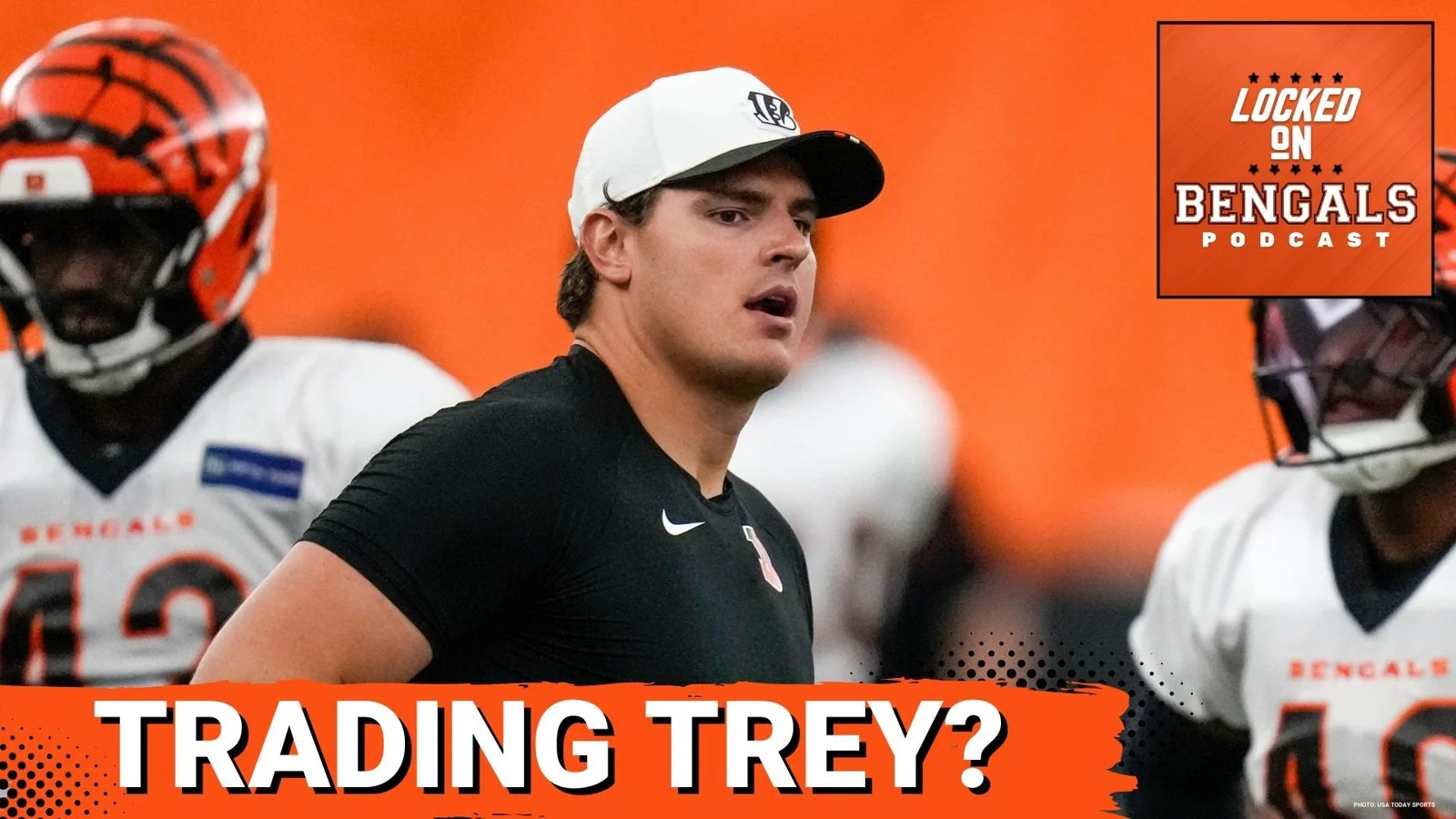

The Cincinnati Bengals are reportedly reconsidering offers to trade their standout edge rusher Trey Hendrickson, sparking debate about whether such a move would be wise. Given recent NFL history, caution seems warranted when dealing with a player of Hendrickson’s caliber and durability, especially in light of similar past decisions.
Historical Parallels: Jared Allen’s Trade and Its Implications
Trading Hendrickson would mark only the second instance this century of a league sack leader being moved the following season. The first case involved Pro Football Hall of Famer Jared Allen, whom the Kansas City Chiefs traded to the Minnesota Vikings in 2008 when he was 26. Allen went on to earn first-team All-Pro honors three times after the trade, indicating sustained elite performance.
While Allen’s best post-trade seasons did not extend past the age of 30, he still recorded impressive sack totals of 12 and 11.5 at ages 30 and 31, respectively. Allen’s strong health history aligns with Hendrickson’s durability, as Allen played in 15 or more games in 11 of his 12 NFL seasons, suggesting a resilient athletic profile that did not decline abruptly with age.
Age and Durability: Key Factors in Trade Considerations
Although Hendrickson is four years younger than Allen was at trade time, the precedent shows that durable pass rushers do not typically experience a sharp decline immediately after 30. Trading Hendrickson at this stage could be a gamble, unless Cincinnati obtains a significant return involving impact players and draft picks that would strengthen their roster this season.
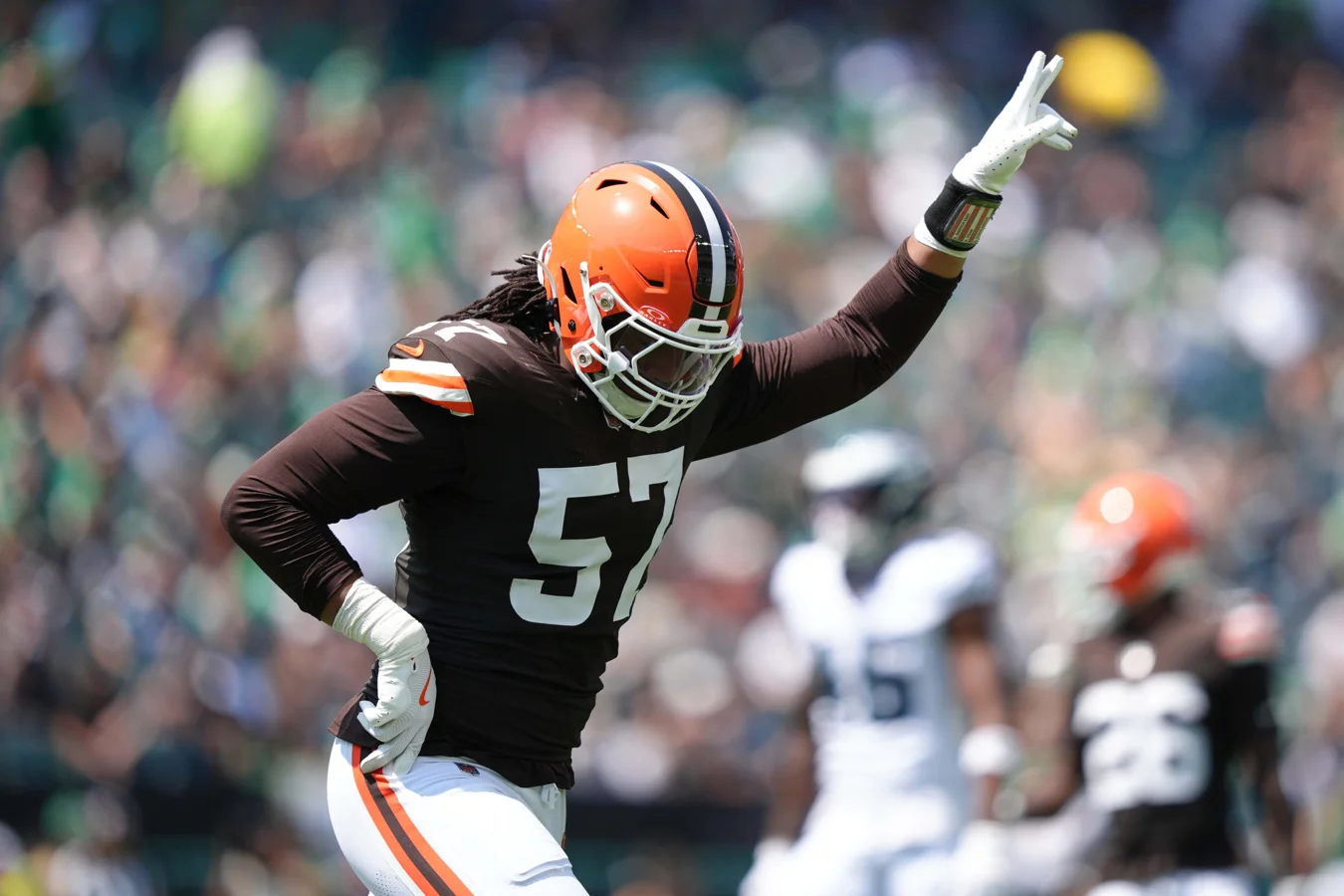
So far, the Bengals have struggled to secure even draft assets in the offseason, a period more favorable for trades due to widespread available salary cap space across teams. This casts doubt on the likelihood of Cincinnati receiving a valuable return for Hendrickson now.
Trade Market Realities and Past Outcomes
When Minnesota acquired Allen, they surrendered a first-round and two third-round draft picks. Allen responded with 14.5 sacks the very next season, outperforming the entire Kansas City defense, which totaled only 10 sacks. The Chiefs ultimately converted those three picks into Jamaal Charles and Brandon Albert, but their overall team success was limited to just two playoff appearances over seven years, highlighting a mixed long-term payoff.
Currently, there is no indication that any team is prepared to offer a first-round selection in exchange for Hendrickson, much less additional players or picks. This lack of substantial trade interest suggests the Bengals might not capitalize on Hendrickson’s value adequately if they move forward with the trade.
Team Leadership’s Stance on Hendrickson’s Future
Bengals President Mike Brown addressed the situation in July, emphasizing the ongoing relationship dynamics with Hendrickson, stating,
“We are not going to trade Trey. We are working on getting it done,”
and added,
“We like Trey as a person; he’s a good guy, but when it comes to these negotiations, and we have been through a few of them with him, he pushes hard, he gets emotional. We’ve never had an easy time of it, but there’s one thing that is consistent: it always gets done.”
—Mike Brown, Bengals President
Despite these reassurances, no deal has been finalized, and Cincinnati faces a deadline of less than three weeks before another looming contract issue threatens the start of their season.
Potential Impact of a Trade Decision on Cincinnati’s Season
Trading Trey Hendrickson carries significant risk for the Bengals, as his proven productivity and durability are rare commodities on the edge. Past examples like Jared Allen’s trade show that similar moves can backfire, especially if the return fails to match the departing player’s current value and potential future contributions.
For the Bengals to consider trading Hendrickson seriously, they must secure assets that can immediately bolster the team’s competitive chances and maintain depth. Until that occurs, Cincinnati might find it more advantageous to retain Hendrickson and continue negotiations to reach a contract agreement before the season begins, ensuring their defensive strength remains intact.