
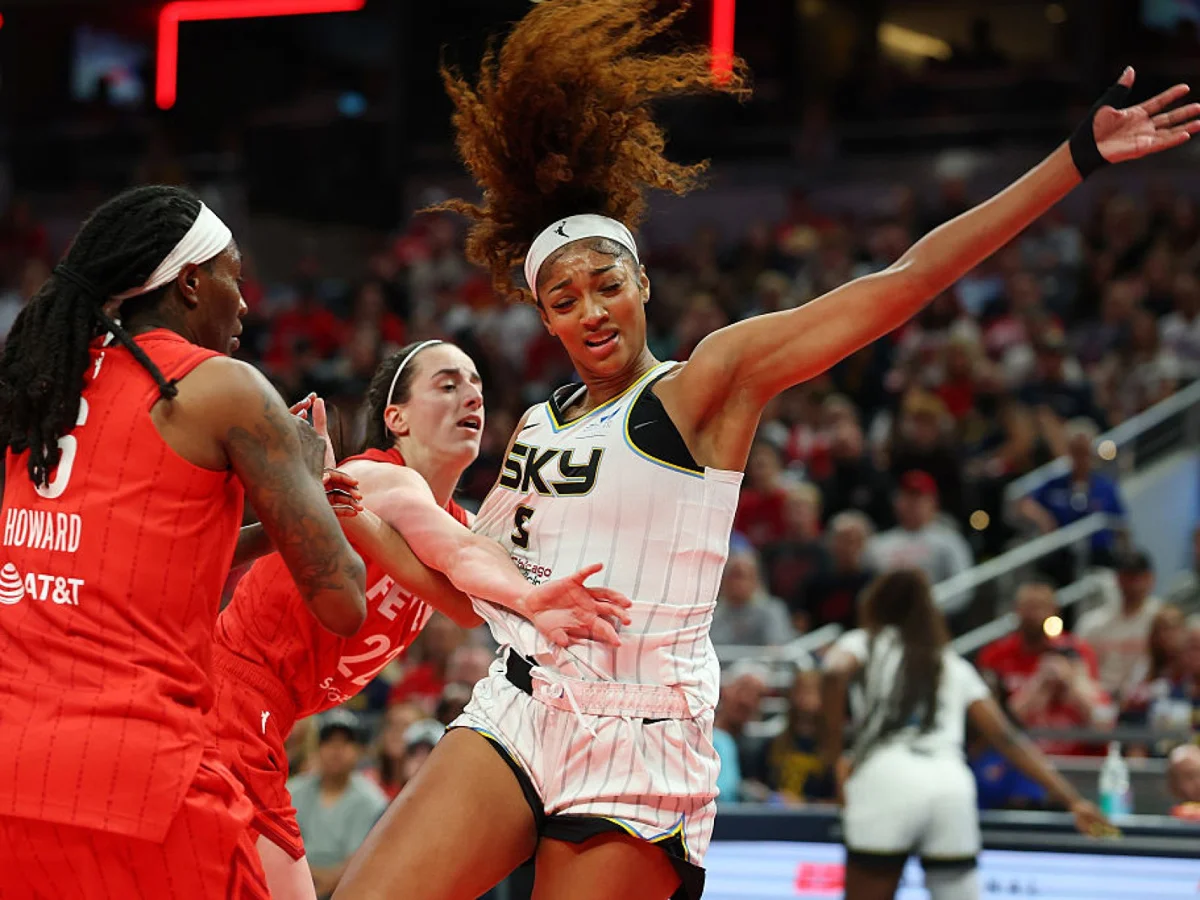

The ongoing conversation surrounding the Angel Reese Caitlin Clark basketball rivalry controversy continues to stir strong reactions, yet Danny Parkins dismisses much of the hype as unproductive and overblown. Speaking on The Colin Cowherd Podcast, Parkins called this the “worst story in sports media,” emphasizing that the narrative has strayed far from basketball itself. He expressed frustration with how media coverage often focuses on personal conflicts and racial elements rather than the sport.
Sports Rivalries Should Fuel Competition, Not Division
Parkins argued that rivalries and sports hate are valuable components in professional athletics and are essential for growing fan interest. He explained that competition, including trash talk, hard fouls, and moments of tension, drives ratings, increases jersey sales, and generally benefits leagues like the WNBA. Rather than demonizing the rivalry between Reese and Clark, Parkins believes it should be viewed through the lens of healthy sports competition that excites audiences.
I think it’s the worst story in sports media, I hate the discourse around it. I think it brings out the worst in everybody. I really do think a lot of people are showing their ass on this story. Of course, what you just said is correct. One of my things, it’s a trope, it’s a cliché that I created: ‘Less hate in the world, more hate in sports.’ Sports hate is good. It is objectively good. Now, when it leads to fights in the stands, OK, fine, someone took it too far. But that doesn’t mean that it is a bad thing. Trash talk, rivalries, bulletin board material, lobbing shots in the press, hard fouls, stare downs, the occasional fight.
—Danny Parkins, Sports Host
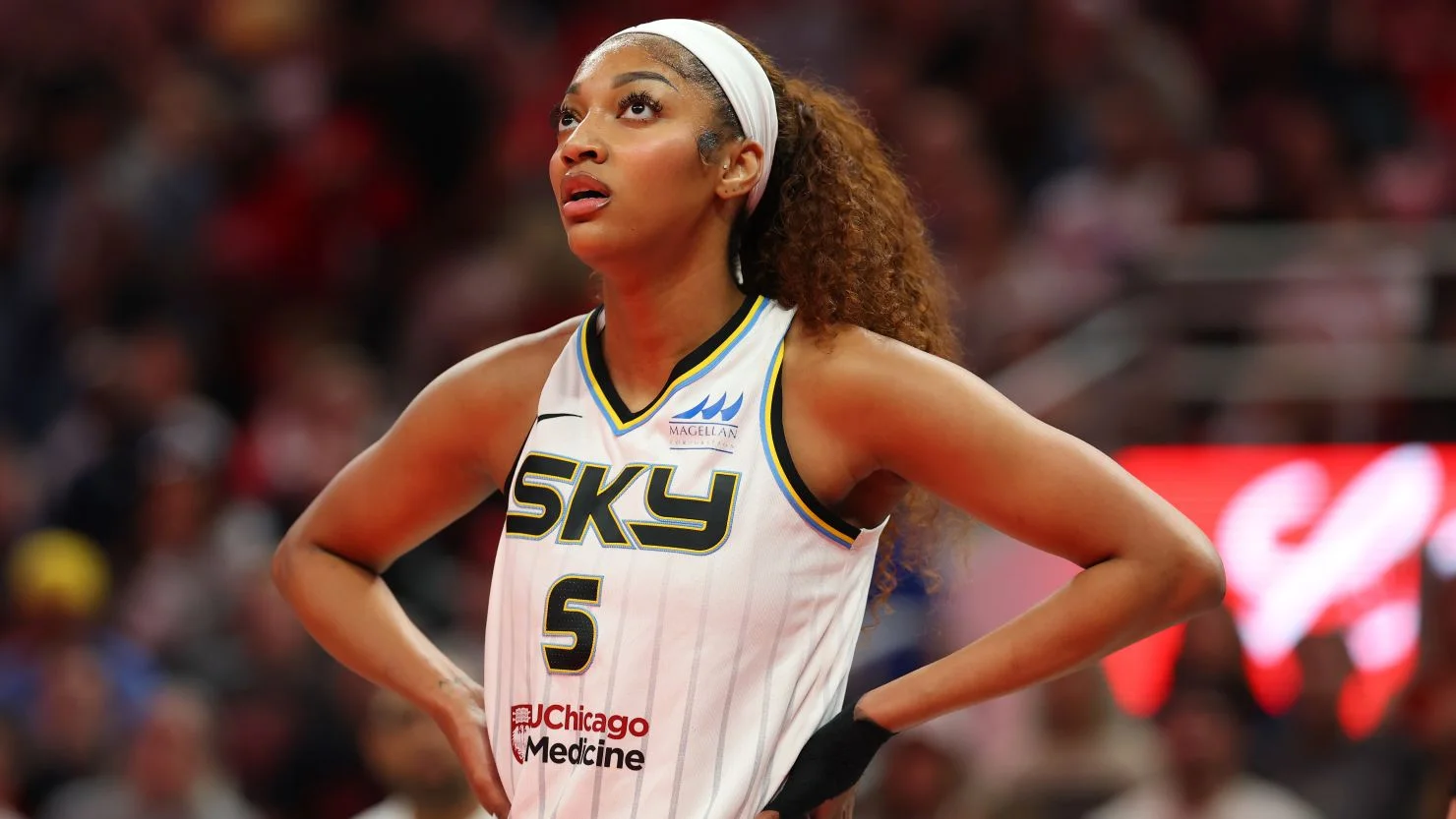
Those things are good. They’re good for ratings. They’re good for business. They’re good for fan interest. They’re good for jersey sales. They’re good. It is good for the WNBA for there to be sports hate, for there to be rivalries. It is a good thing. That is so objectively obviously true that I can’t believe anyone dares to deny it.
—Danny Parkins, Sports Host
Comparing This Rivalry to Past NBA Legends Is Misleading
Parkins also addressed comparisons between the Reese-Clark rivalry and historic NBA duels such as Larry Bird vs. Magic Johnson. He noted that such parallels do not fit the current rivalry due to differences in player dynamics and league impact. According to Parkins, the comparison does not hold because Bird and Magic were more evenly matched in talent and influence, whereas Reese and Clark occupy different roles in shaping the WNBA landscape.
Because Bird and Magic in terms of talents were kind of equals,
Parkins said.
This is more like Michael Jordan and Bill Laimbeer. They were rivals. But they’re not really the same type of player, right? They hated each other. They had great moments. But they were not like, no, it was like, ‘You know who carried the NBA popularity? Michael Jordan AND Bill Laimbeer.’ It was not how we described it.
—Danny Parkins, Sports Host
Parkins pointed out that while Clark is a transformative figure reshaping attention and economics in women’s basketball, Reese is a strong competitor but not the singular face driving the league’s popularity. The distinction emphasizes that the rivalry does not mirror a perfectly balanced standoff.
Racial and Jealousy Themes Deserve Thoughtful Conversations, Not Outrage
While acknowledging that jealousy and racial factors related to the Reese-Clark rivalry exist, Parkins insists these topics require respectful dialogue instead of sensationalized outrage. He highlighted how some coverage reduces legitimate issues to performative narratives, which do little to promote understanding or progress.
Caitlin Clark is the phenomenon. She is the comment,
Parkins stated.
Does that spur jealousy? No doubt. Are there interesting racial components that I think are fair to be discussed for a league that has had great players, white and Black, before Caitlin Clark? Why haven’t they caught on in the same type of way? I think there is like fair conversations to be had. But a hard foul on Angel Reese in a basketball game that didn’t even result in a fight. It resulted in, ‘She said the F-word!’ What the hell is the matter with people? It’s embarrassing.
—Danny Parkins, Sports Host
We don’t need to name the names. Everyone knows the discourse of who’s going. You’re talking about people’s wives, and you’re making it personal, and then you’re bringing all the other — shut up. Shut up. It’s so beneath the industry to take the discourse of online… But it is so very clear that way too many people in the industry formulate their opinions based on the algorithm they see on X, and it’s just complete horsesh*t.
—Danny Parkins, Sports Host
Critique of Former Athletes and Media Feeding the Narrative
Parkins openly criticized former athletes like Ryan Clark and Robert Griffin III for sensationalizing the rivalry and conflating basketball competition with broader culture wars on television. He expressed disappointment that professionals who understand the game are allowing social media dynamics to distort their analysis and public commentary.
I don’t believe the people that went to the basketball game left being like, ‘Phew, you know what that was? A race war.’ Like it was a basketball game,
Parkins argued.
…It’s crazy. I’m not the biggest WNBA fan. I’m not claiming to have WNBA bonafides or like watching for years or going 10 deep on all the rosters. So people like, ‘Parkins, I don’t give a sh*t about your WNBA takes,’ that’s fine. I just know sports and narratives. That is a good thing for business. And people taking their online commentary that is designed to divide us, and then making it actually inform their opinions on television when they’re multi-millionaire former professional athletes. They don’t even realize what they’re doing, but it’s really embarrassing.
—Danny Parkins, Sports Host
For Parkins, the main issue lies not with the players involved but with how media narratives get skewed and inflated, deteriorating the quality of sports discourse and overshadowing actual basketball competition.
Impact of the Rivalry and Next Steps for WNBA Coverage
The Angel Reese Caitlin Clark basketball rivalry controversy illustrates the challenges sports media faces when balancing entertainment with responsible messaging. Parkins’ comments call for a return to appreciating the rivalry as a natural and beneficial element of sports, while avoiding divisive and exaggerated rhetoric. His perspective suggests that maintaining focus on athletic excellence and respectful debate will better serve the league’s growth and fan engagement going forward.