
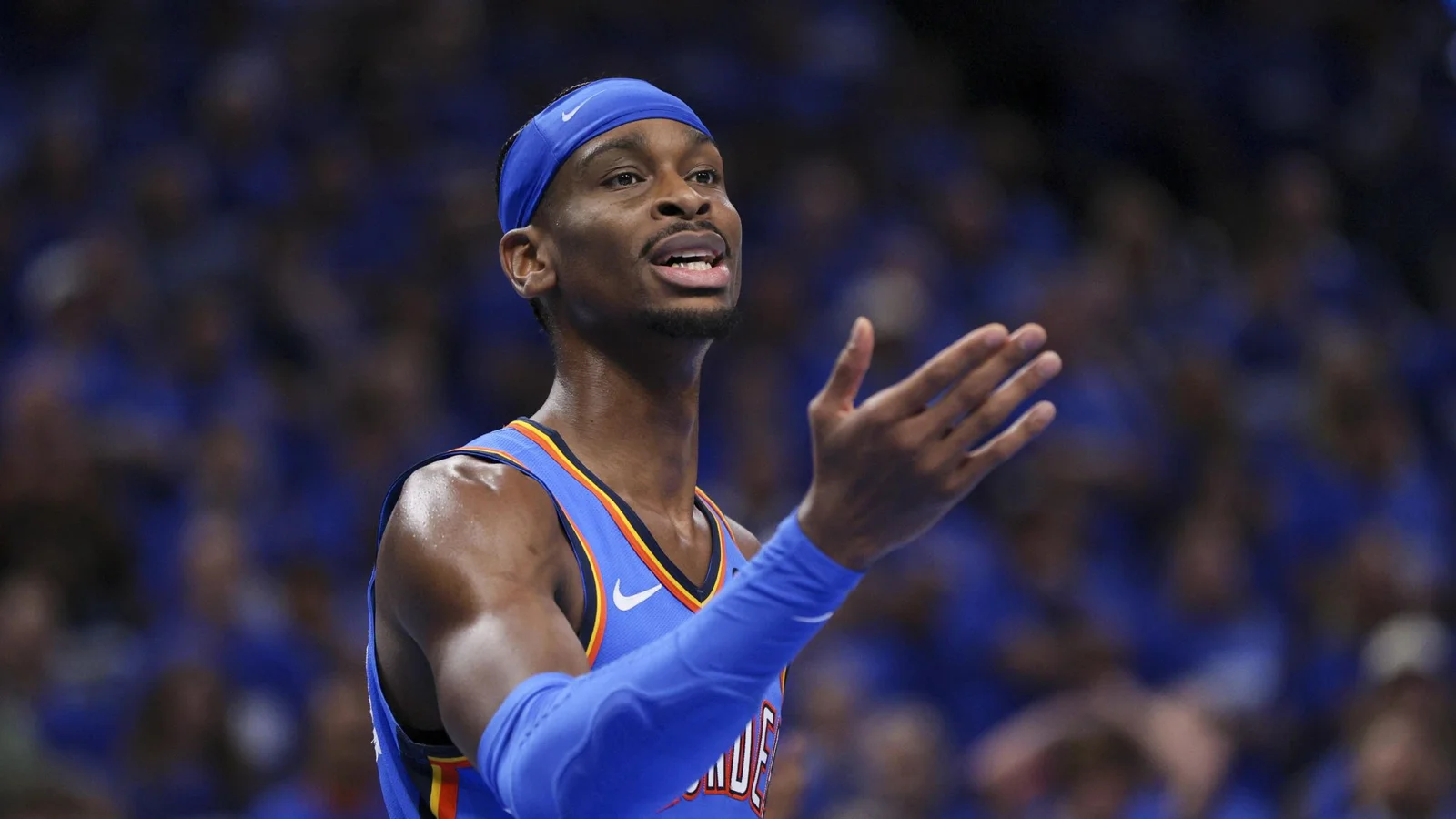

During Game 1 of the Eastern Conference Finals at Madison Square Garden on May 21, Indiana Pacers guard Tyrese Haliburton made headlines by channeling a historic “choke” gesture after sinking a crucial two-point shot. The move, made famous by Reggie Miller years ago in the very same arena, helped the Pacers force overtime against the New York Knicks and contributed to their 138-135 victory. In the aftermath, Draymond Green publicly urged the NBA not to penalize Haliburton for his controversial celebration.
Green’s remarks came during an episode of The Draymond Green Show with Baron Davis, where he framed the gesture as a competitive moment, not an act deserving punishment. He highlighted how overly literal interpretations by the NBA threaten the entertainment value of such moments.
Green Defends Gesture as Part of Competitive Spirit
Addressing the league’s tendency to fine players for symbolic actions, Green said,
I pray to God that the NBA don’t fine him. We take so many things so literal, and like in today’s day and age, you can’t act like you’re choking someone,
emphasizing that Haliburton’s move was far from malicious.
He added,
Let’s face it, come on. The guy is not really about to choke someone. And I hope the NBA don’t fine him because that’s what we paying to see,
and continued,
Like you talk about entertainers being entertainers, you talk about stars being stars on the biggest stage at the Mecca.
Green’s words suggest that such expressions fuel the drama and intensity of playoff basketball, especially on a grand stage like Madison Square Garden, often referred to as “the Mecca.”
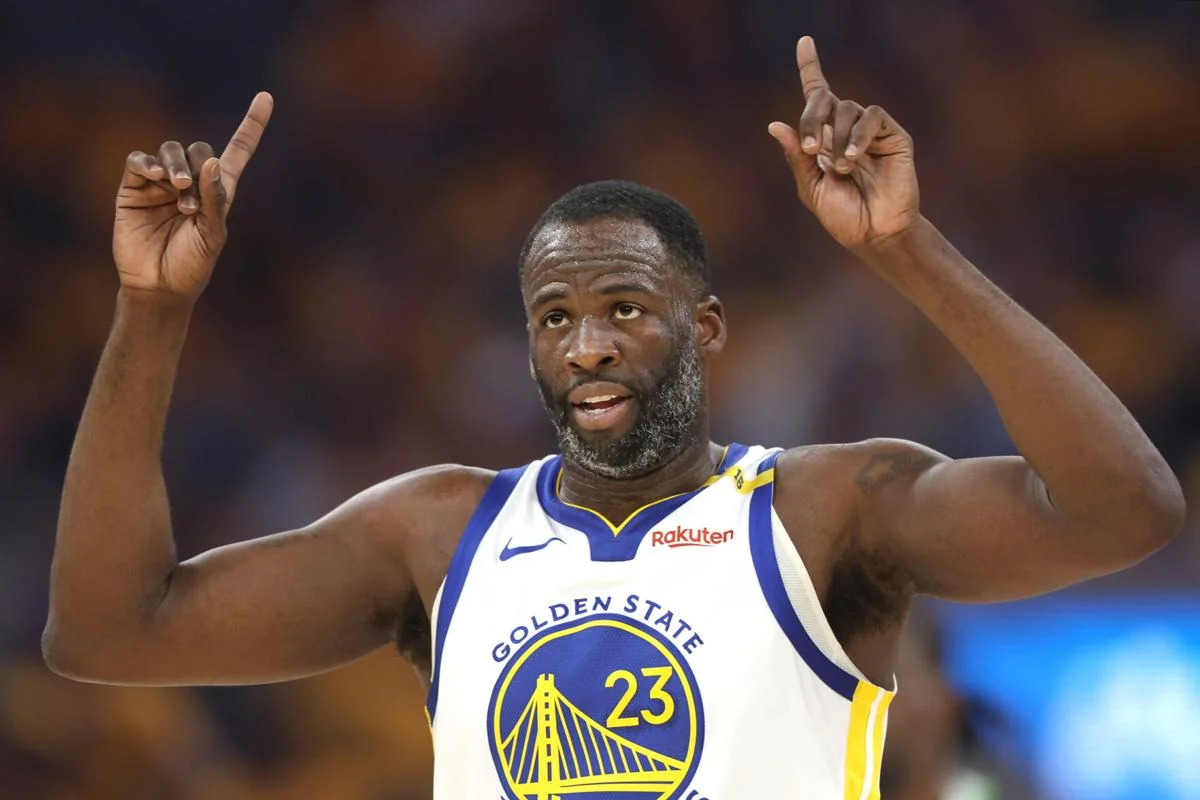
Green’s own history with the NBA’s disciplinary actions adds weight to his perspective. Recently fined $50,000 for comments made to referees during the Warriors’ playoff series against the Minnesota Timberwolves, Green is no stranger to the league’s strict enforcement of conduct rules. In fact, he has accumulated nearly $1 million in fines across 229 incidents, many related to interactions with officials.
This context shapes Green’s appeal, casting the NBA’s regulation of player gestures as excessively harsh and out of step with the competitive nature of the game. The league’s firm stance was also evident when Ja Morant was fined $75,000 this season for mimicking a gun gesture on two occasions, signaling a low tolerance for symbolic actions that could be interpreted as threatening or inappropriate.
Haliburton’s Gesture Was Unplanned and Mistimed
Though the “choke” sign became an iconic playoff moment, Haliburton revealed after the game that it was not originally part of his plan. He admitted he had intended to celebrate a walk-off three-pointer, but that shot was ruled a two-pointer, merely tying the game instead of ending it. This misjudgment made the celebration feel premature and somewhat awkward in hindsight.
Reflecting on the moment, Haliburton said,
I wasn’t like plotting on it or anything. Everybody wanted me to do it last year at some point, but it’s got to feel right. It felt right at the time … if I would’ve known it was a two, I would not have done it,
according to Jamal Collier of ESPN.
Despite the unusual timing of his gesture, Haliburton played a pivotal role in Indiana’s victory, scoring 31 points on that night. His performance continued to impact the series, contributing 14 points in the Pacers’ Game 2 win on May 23. As the series moves forward, the Pacers prepare for Game 3 on May 25 against the Knicks, with Haliburton and his team seeking to maintain their momentum.
The Broader Impact of NBA’s Gesture Policies
Green’s plea to the NBA regarding Haliburton’s gesture highlights ongoing tensions surrounding the league’s approach to regulating player behavior on the court. With rising scrutiny of symbolic actions and a growing list of fines for expressive conduct, players and fans alike debate the balance between maintaining sportsmanship and preserving the emotional intensity that defines playoff basketball.
Haliburton’s moment, while contentious, embodies the passion and showmanship that many believe should be celebrated rather than censured. Green’s vocal support signals a pushback against what some see as overreach by the league office, suggesting that certain gestures are integral to the entertainment and competitive fire fans expect on basketball’s biggest stage.
As the playoffs progress, how the NBA responds to instances like Haliburton’s “choke” celebration could set a precedent for handling player expressions in future high-stakes moments, shaping the league’s culture and its players’ freedom to display their competitive emotions.