
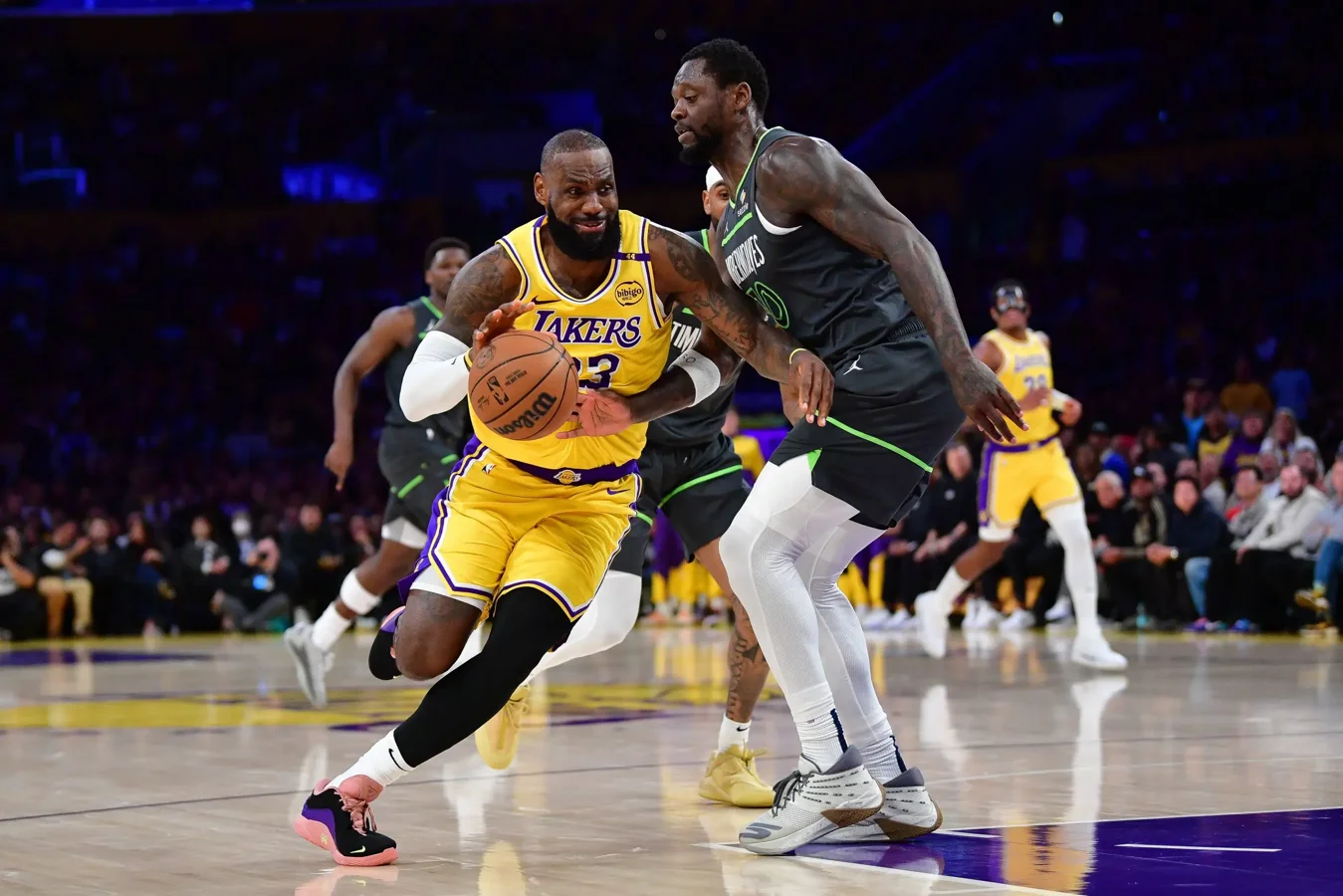

Rich Paul, the agent of Los Angeles Lakers star LeBron James, has publicly clarified ongoing misconceptions about LeBron James’ influence on NBA player movement, specifically addressing rumors that James controls the Lakers’ roster decisions. Speaking in 2024, Paul emphasized that while James holds considerable sway as a player, he does not dictate the team’s transactions or personnel choices.
Over the years, LeBron James and Rich Paul have significantly shaped how player movement works within the NBA. After leaving CAA to join Paul’s Klutch Sports, James set high standards for contract negotiations and roster considerations, demonstrating the power of star players to impact their careers. Despite this, the assumption that James leads or controls all Lakers’ basketball decisions has persisted, a notion Paul firmly disputes.
Clarifying LeBron James’ Role in Lakers Team Decisions
LeBron James’ quest for championships has fueled speculation that he pulls strings behind the scenes to mold Lakers rosters according to his preferences. However, Rich Paul challenged this common trope on The Rich Eisen Show, revealing how such perceptions affect relationships within teams.
“And that’s false. I can say that because I’m there and when you think about that and that narrative people don’t think about the impact that that has off the court. It hurts friendships, guys that play on teams because they feel like, ‘Hey, I may have been traded and it’s because you wanted me out of here.’ And I know that it’s not to be true. Clearly he don’t run the team because there’s things that transpired that he didn’t even know about, so how is he running the team? The [Russell] Westbrook trade. He didn’t make that trade, contrary to what people try to put out there. He did not make that trade and I know that for a fact. So I think those things are…there’s one thing to have power and influence and there are guys who earned the right for some decisions to be ran past you or for some teams to say, ‘Hey, what do you think about this?’ We can’t confuse someone asking a player for an opinion and that being the decision that’s being made. Those are two separate things and I deal with all of them, players and offices. Those are two separate things. I don’t think players are in the position to make a specific decision all the time due to the fact that they’re not doing the diligence that the front offices are doing to even make that decision. Because it’s one thing to date somebody, it’s another thing to live with them.”
—Rich Paul, Sports Agent
Paul’s explanation highlights the distinction between influence and control. While star players like James may be consulted on major decisions, final moves rest with team executives who perform extensive evaluations behind the scenes. For example, the high-profile trade involving Russell Westbrook was not orchestrated by James, despite public speculation suggesting otherwise.
The Broader Impact of Misconceptions on Team Dynamics
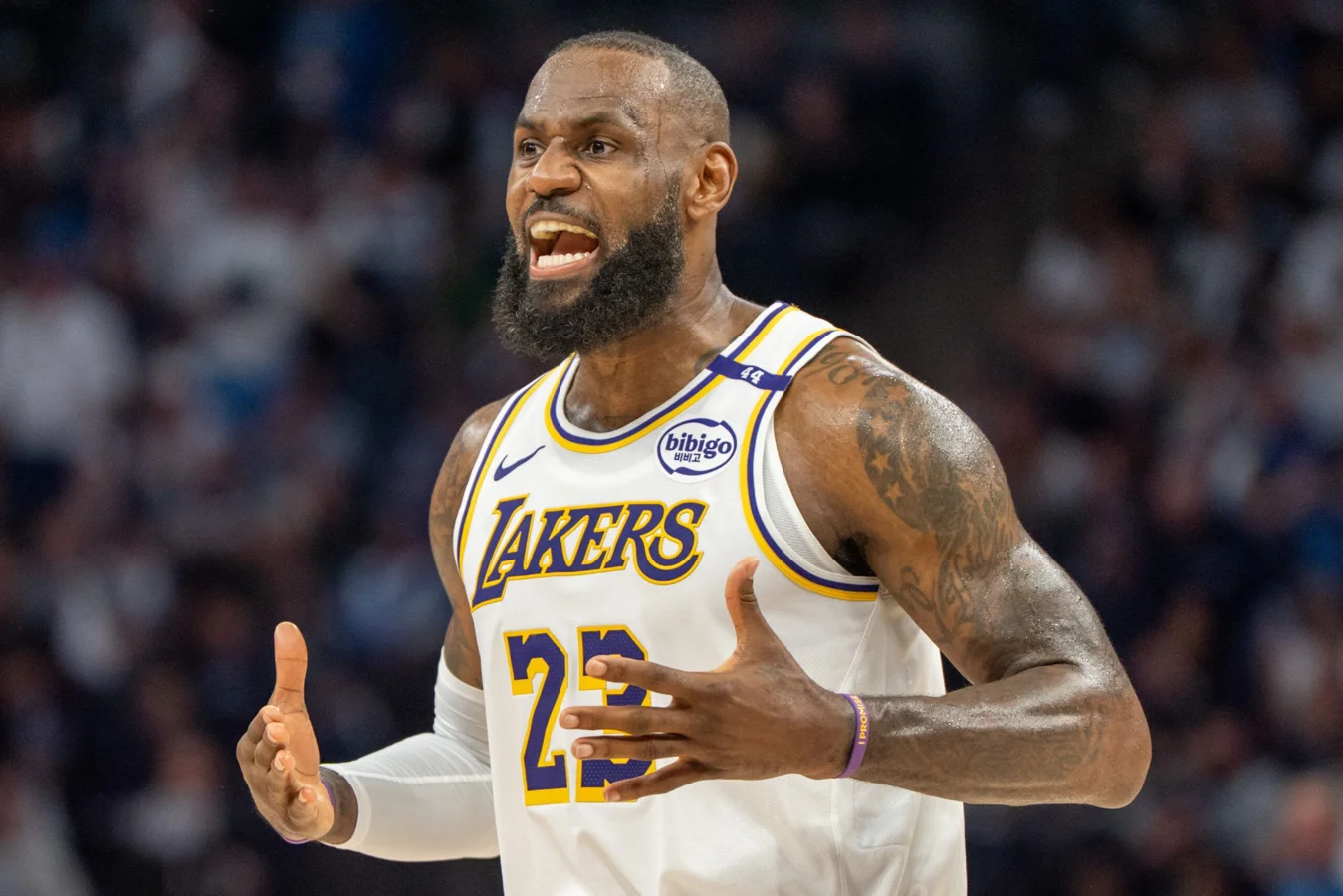
This ongoing rumor about James steering Lakers’ management decisions has created tension among players, with individuals believing trades or roster changes could be linked to James’ preferences. Paul pointed out that such misunderstandings hurt personal relationships within the team, as players may falsely suspect each other or James of influencing decisions detrimental to their careers.
Furthermore, Paul distinguished between asking a player’s opinion and that player making the ultimate decision. Gathering input from key players has become a standard part of front office processes, yet responsibility for roster construction lies with the team’s leadership who balance multiple factors beyond a single player’s viewpoint.
LeBron James’ Career Longevity Remains Uncertain
Amid discussions about LeBron James’ influence on the Lakers and NBA player movement, the question of how much longer he will compete professionally remains open. Even his agent, Rich Paul, admits uncertainty about James’ retirement timeline as the athlete continues to perform at a high level while contemplating the next phase of his career.
James has previously spoken candidly about his plans to retire when he no longer feels physically or mentally capable, but no definitive date has been set. The ongoing speculation about his career duration adds another layer of complexity to narratives surrounding his role both on and off the court.
Why These Clarifications Matter for the NBA
Rich Paul’s candid response underscores the necessity of separating myths from reality concerning star players’ impact on organizational decisions. Misunderstanding the balance of power between athletes and front offices distorts public perception and can strain team morale. Recognizing James’ influence as significant but not absolute helps maintain clearer expectations about leadership roles within NBA teams like the Lakers.
As the NBA continues to evolve with players wielding more leverage in their careers, transparency about decision-making processes remains crucial. Paul’s comments also remind fans and analysts to critically assess how rumors develop and to appreciate the complexity behind the scenes of team management.
Going forward, this clarification on LeBron James influence on NBA player movement will likely discourage false assumptions that single players dictate entire franchise strategies, fostering a more accurate understanding of the collaborative nature of basketball operations.