
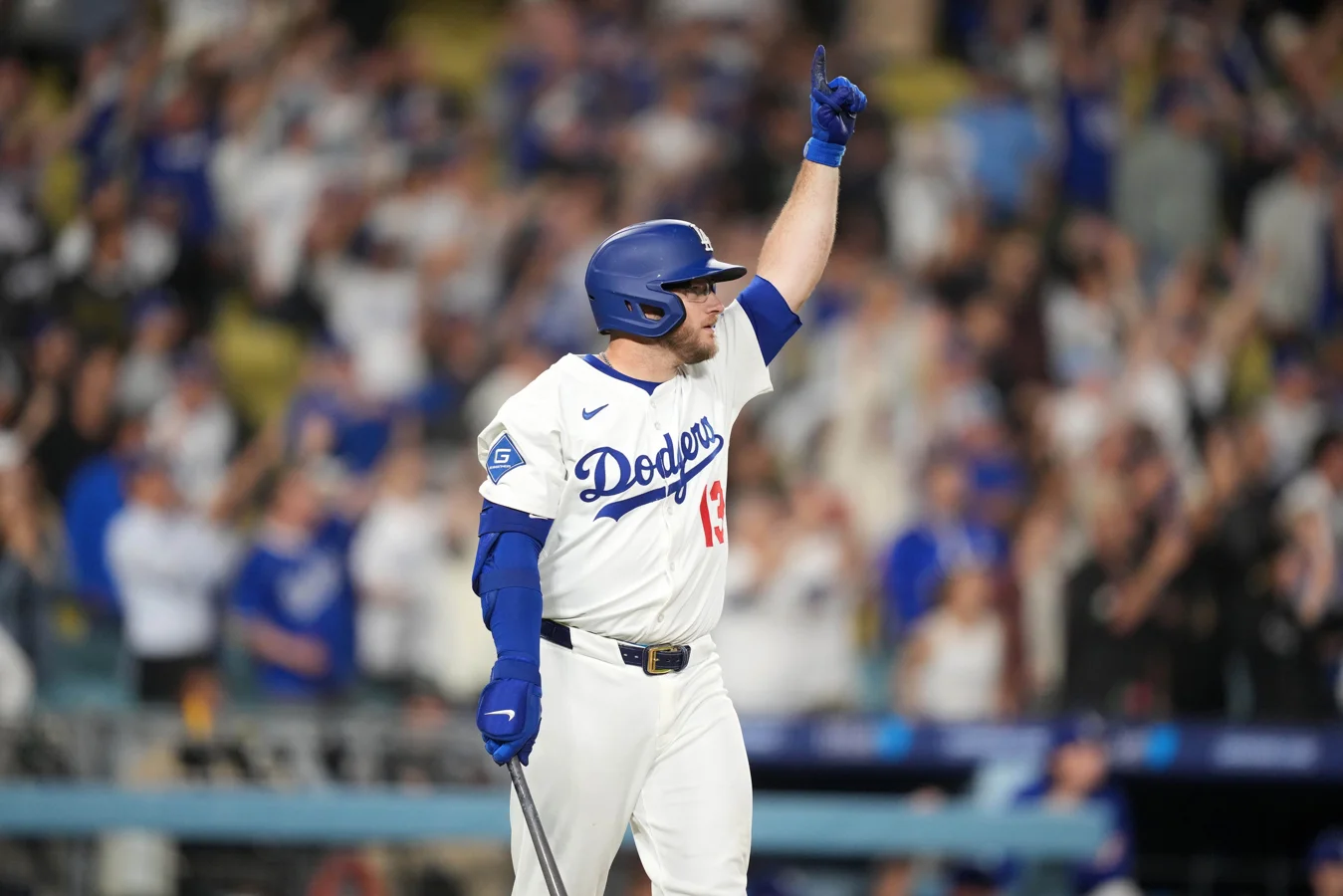

During Friday’s matchup between the Los Angeles Dodgers and New York Mets at Citi Field, a disputed obstruction call by the third base umpire caused significant uproar. In the fourth inning, Mets’ Pete Alonso hit a sacrifice fly to deep right field where Dodgers’ Teoscar Hernandez was positioned, triggering the contentious ruling involving Dodgers third baseman Max Muncy and Mets runner Starling Marte.
As Hernandez’s throw reached home plate in time to make an out, the umpire ruled that Muncy blocked Marte’s line of sight, awarding the run to the Mets despite the timely throw. This decision halved the Dodgers’ lead, reducing the score to 3-2.
Details behind the obstruction ruling involving Max Muncy and Starling Marte
Reviewing the play reveals that as the ball was airborne, Muncy appeared to move into Marte’s field of vision, delaying Marte’s attempt to tag up and run to home plate until the catch was made. Because obstructing a runner’s path or view during a play can lead to an obstruction call, the umpire’s judgment was that Muncy’s movement interfered with Marte’s opportunity to advance.
This call reversed what otherwise would have been a straightforward out at the plate, inflaming fans and commentators alike about the interpretation of obstruction in this scenario.
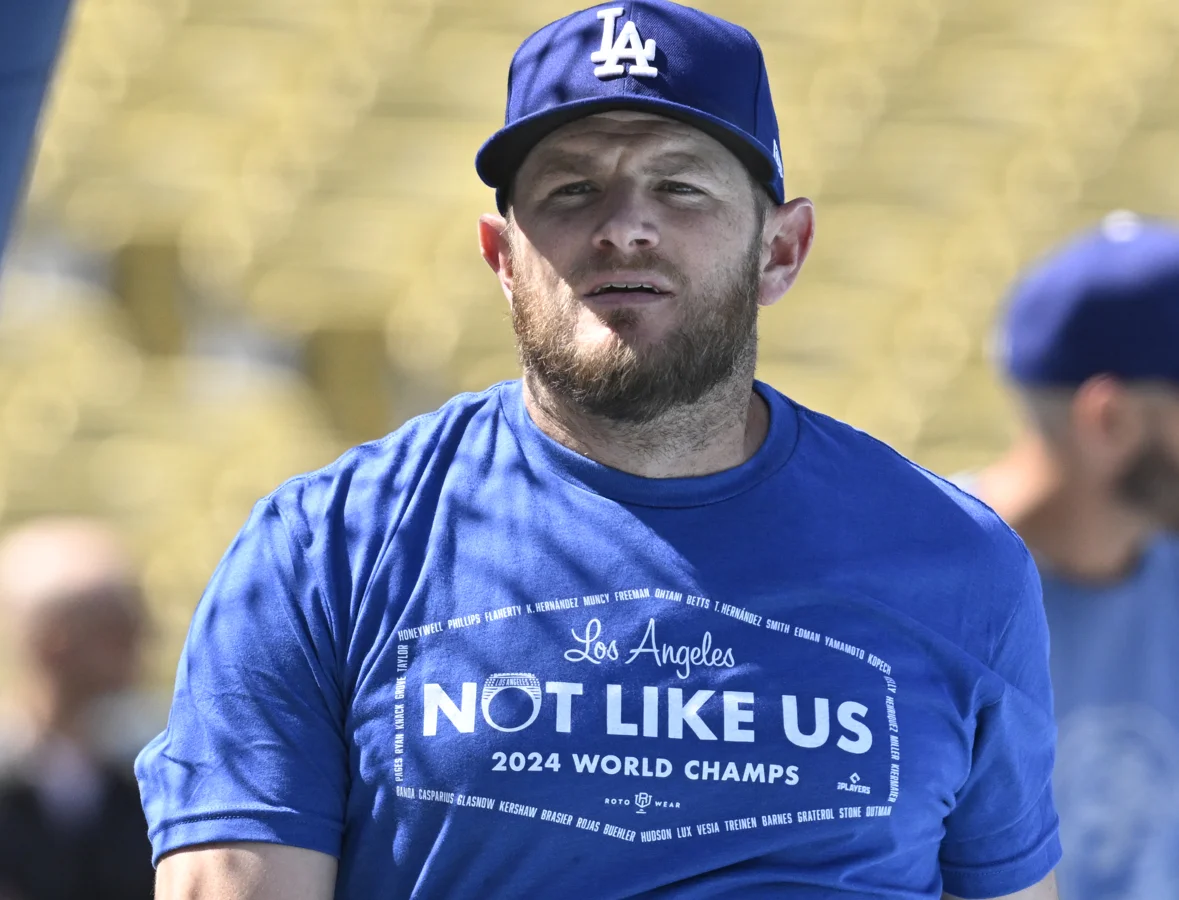
Mixed reactions from fans and observers on social media
Online reactions to the call ranged from disbelief to support. Several fans criticized the umpire’s decision as unprecedented or biased, while others defended it as a correct enforcement of obstruction rules.
“Ive never in my life seen that ever. Wow,” —fan
“This is a bizarre game. That’s a wild call made by that umpire,” —fan
“WEAK A** UMPS TRYING TO BAIL THE SORRY A** METS,” —fan
“Is the ump saying Muncy blocked his vision?” —fan
“Muncy 100% did that on purpose. Good call by umps,” —fan
“Blocked martes view he couldn’t see if he caught it or not,” —fan
Game progression highlights strong performances from both teams
This high-stakes series brought two of the National League’s top teams to Citi Field, delivering competitive moments from start to near finish. The Dodgers struck first with Michael Conforto scoring on Will Smith’s infield single during the third inning, followed by Teoscar Hernandez’s two-run RBI single that pushed the Dodgers ahead 3-0.
Responding quickly, Mets rookie Brett Baty launched a solo home run off Dodgers pitcher Matt Sauer in the bottom of the third. Pete Alonso’s sac-fly and the resulting obstruction call narrowed the Dodgers’ lead to 3-2 early in the fourth.
In the fifth inning, the Dodgers extended their advantage to 5-2 after Max Muncy drove in Will Smith, and Andy Pages added an RBI to bring home Hernandez.
Late Mets rally forces dramatic finish
The Mets showed resilience in the ninth inning, sparked by Jeff McNeil’s clutch triple off Dodgers’ left-hander Alex Vesia. On McNeil’s hit, Pete Alonso and Starling Marte crossed home plate, trimming the deficit to 5-4. Shortly after, Tyrone Taylor tied the game with a single, bringing McNeil home from third base and leveling the score at 5-5.
The ninth inning remains underway, setting the stage for a conclusion filled with tension as the Dodgers attempt to preserve their lead while the Mets push for a comeback.
Significance of the obstruction call on the Mets-Dodgers rivalry
This obstruction call controversy placed the spotlight on umpiring decisions under close scrutiny during critical moments, potentially influencing the outcome of a tightly contested game between top National League teams. With fans and analysts split in their opinions, the ruling underscores how judgment calls can alter momentum and fan sentiment in high-profile baseball matchups.
As the series continues, both squads will likely intensify efforts to avoid similar disputes, while discussions around the interpretation of obstruction rules may resurface, possibly prompting future clarifications within MLB officiating guidelines.