
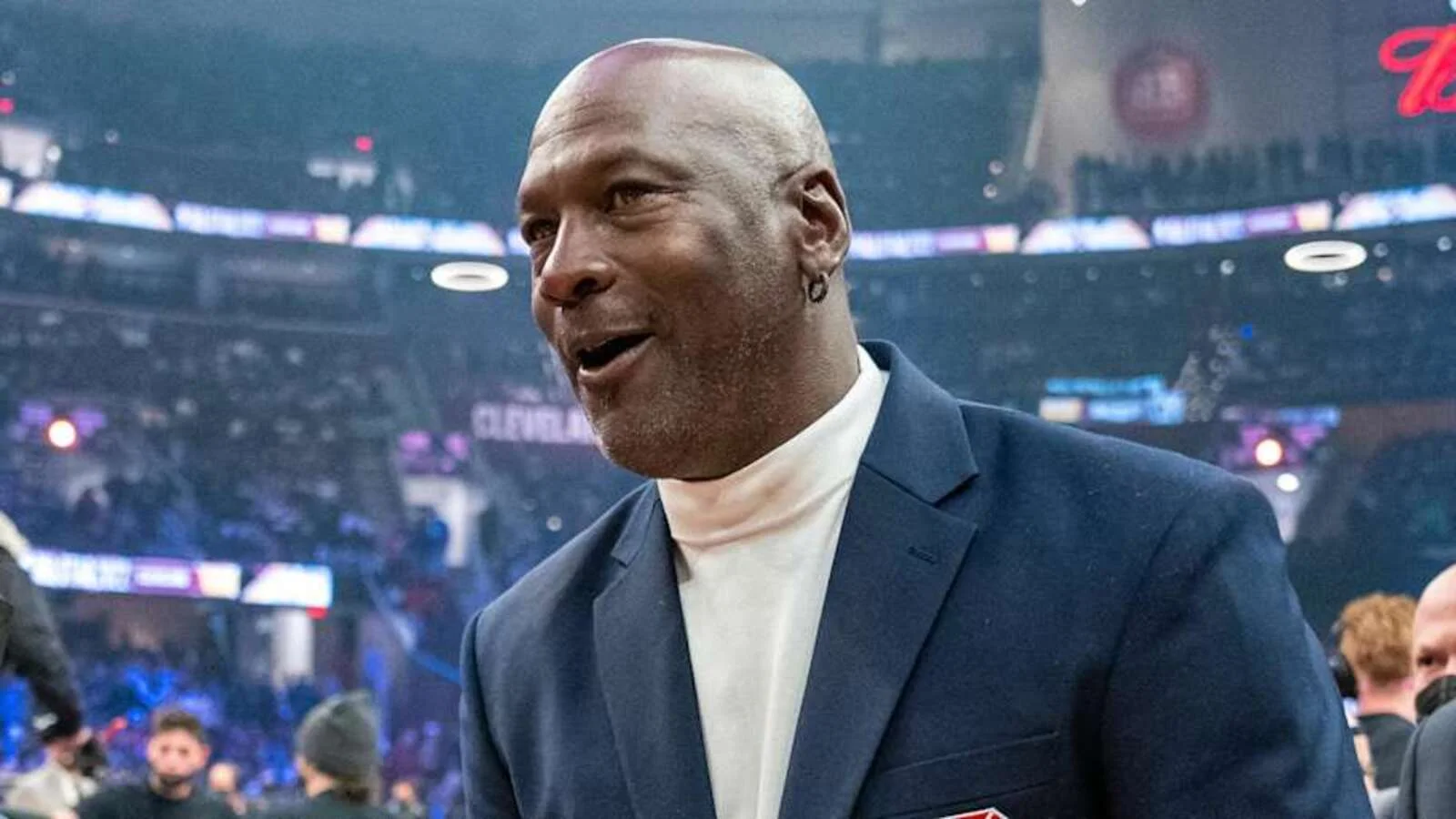

In basketball, the debate comparing LeBron James’ legacy and media scrutiny debate to that of Michael Jordan remains fiercely contested. Recently, this conversation shifted focus from the players to their agents, who have engaged in a heated exchange examining legacies, team loyalty, and media pressures on their clients.
Agent David Falk’s Provocative Remarks Spark Retaliation From Rich Paul
The controversy began when David Falk, Michael Jordan’s longtime agent, suggested that had Jordan employed LeBron James’ approach of switching teams to pursue championships, he might have secured as many as 15 titles. This statement caught the attention of Rich Paul, LeBron’s agent, who quickly responded by emphasizing the intense media scrutiny LeBron faces today, a challenge Jordan’s era did not experience to the same extent.
The Evolving Media Landscape and Its Impact on Athlete Perception
The dialogue between Falk and Paul sheds light on how sports media has dramatically changed. Unlike Jordan’s career, which unfolded mostly before the digital age, LeBron’s every action is intensely examined across multiple media channels. This unrelenting spotlight has influenced how fans and critics perceive his achievements, adding an extra layer of pressure that previous generations of athletes were largely spared.
Veteran sports commentator Stephen A. Smith weighed in, challenging Rich Paul’s claim about widespread media hostility toward LeBron. Smith questioned whether such platforms are dedicated only to criticizing James, indicating the issue’s complexity and the differing opinions on how media scrutiny influences a player’s legacy.

Agents Reflect Broader Themes About Sports, Loyalty, and Career Navigation
This agent-driven confrontation represents more than just personal defense; it mirrors the larger debate surrounding the two basketball legends. The discussion encompasses not only talent and titles but also explores the concepts of loyalty to one’s team, adapting career strategies, and confronting media narratives.
Agents like Falk and Paul are actively shaping the storylines around their clients, balancing accomplishments with public perception and historical context. Their rivalry underscores the increasing role of sports management in determining how greatness is defined both on and off the court.
Legacy Amid Changing Challenges in Professional Sports
As this public debate continues, it highlights the shifting dynamics of professional sports where legacy includes navigating media scrutiny and evolving career paths. Comparing LeBron James and Michael Jordan goes beyond statistics or championship counts to broader reflections on perseverance, adaptability, and leadership under pressure.
This conversation encourages fans and analysts to consider what truly defines a legacy: is it dominated by titles, the capacity to succeed across various teams, or the way an athlete handles the intense spotlight throughout their career? The discourse provoked by the agents emphasizes the multifaceted nature of legacy in modern sports.
What This Means for the Future of Athlete Legacies
The clash between the agents of two of basketball’s greatest icons offers a unique window into the future of how sports legacies are shaped. As media scrutiny grows and player mobility increases, the definition of greatness may continue to evolve, challenging traditional views.
Ultimately, the legacies of LeBron James and Michael Jordan—and the influence of their representatives—will be measured by their ability not only to achieve championships but also to inspire, challenge, and connect with fans worldwide over generations, ensuring their place in basketball history remains dynamic and profound.
“He suggested that if Jordan had adopted LeBron’s strategy of switching teams to chase championships, he might have amassed a staggering 15 titles.” —David Falk, Agent
“Paul highlighted the unique challenges faced by James, particularly emphasizing the relentless media criticism in today’s round-the-clock news cycle—a phenomenon Jordan never had to contend with during his era.” —Rich Paul, Agent
“He challenged the notion put forth by Paul, questioning the existence of media platforms solely dedicated to criticizing LeBron James.” —Stephen A. Smith, Sports Commentator