
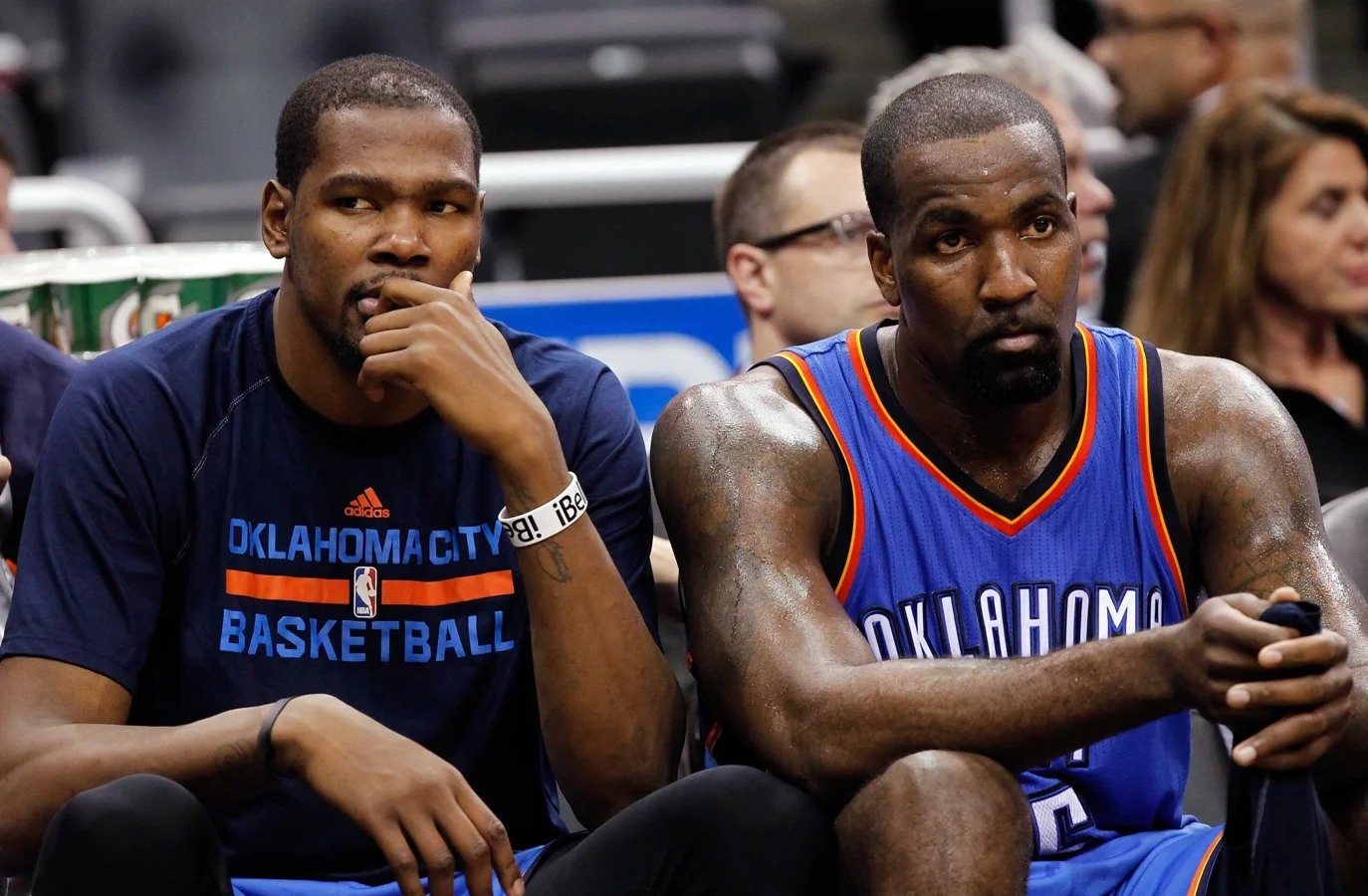

Kendrick Perkins’ recent comments about his role in the 2012 NBA Finals have sparked a heated response from Kevin Durant, reigniting debate over the Oklahoma City Thunder’s run to the championship series. Durant took to social media this week to challenge Perkins’ assertion that he was the key leader of the Thunder squad that fell to the Miami Heat in five games.
The Background of Perkins’ NBA Finals Assertions
Kendrick Perkins was well known in his playing days as a reliable defensive center, most notably contributing to the Boston Celtics’ 2008 championship victory over the Los Angeles Lakers. He later played a pivotal role for the Oklahoma City Thunder during their 2012 Western Conference championship season alongside stars Kevin Durant, Russell Westbrook, and James Harden. The Thunder’s trip to the NBA Finals that year marked their last appearance on that stage to date.
Now, 13 years later, the Thunder are close to returning to the Finals, led by MVP Shai Gilgeous-Alexander. Meanwhile, Perkins has transitioned to a media role at ESPN, often sharing his opinions and making bold claims on shows such as First Take, where he frequently debates analysts like Stephen A. Smith.
Perkins Claims Leadership and Defensive Dominance
This season, Perkins has been vocal about his contributions to the 2012 Thunder team, even going so far as to say he was the true leader of the group rather than Durant or Westbrook. During an appearance on the “Road Trippin’ Show” with Richard Jefferson and Channing Frye, Perkins asserted that he effectively shut down All-NBA players such as Dirk Nowitzki, Andrew Bynum, Pau Gasol, Tony Parker, Tim Duncan, and Manu Ginobili throughout the Finals run.
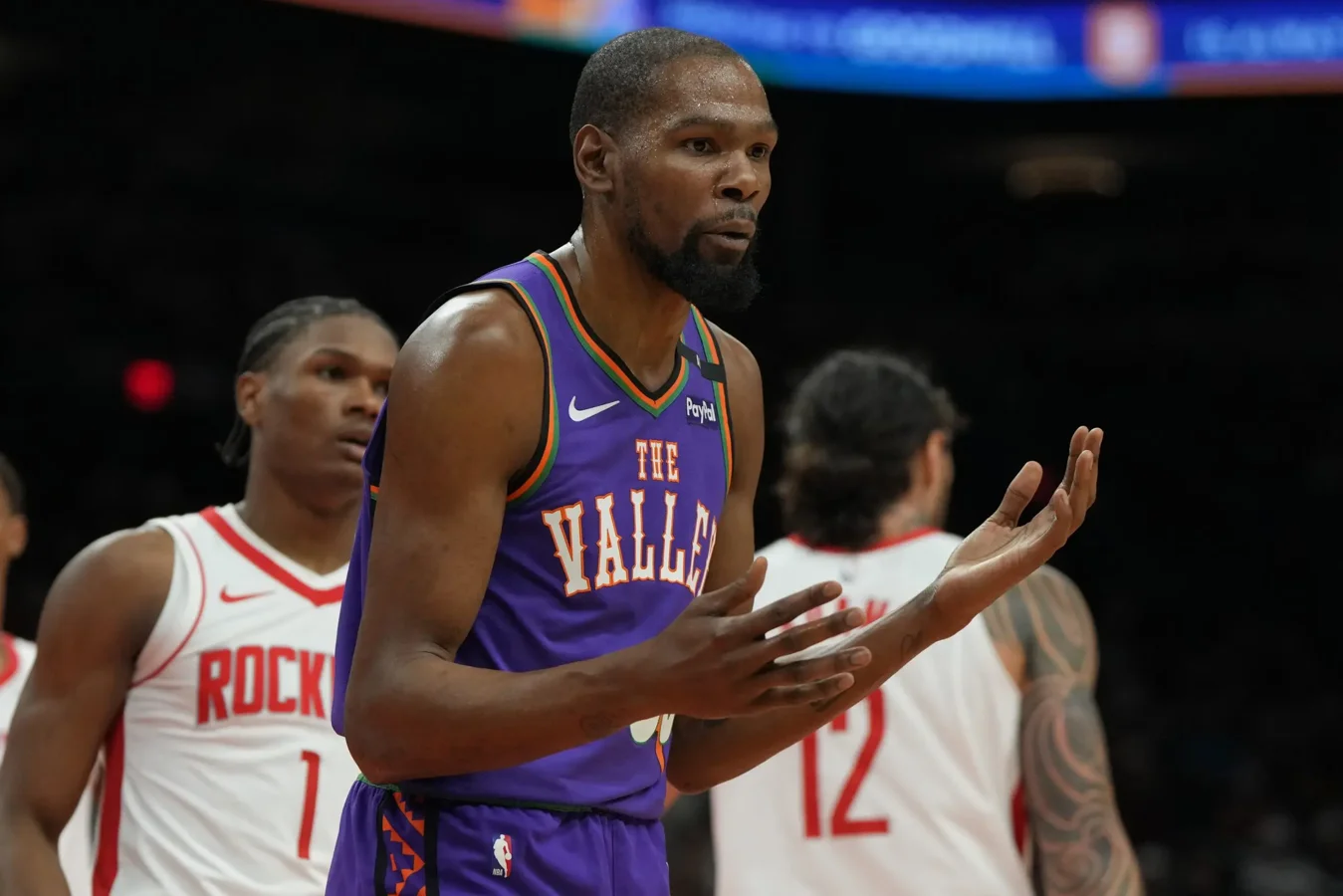
On social media, Durant reacted to these comments with visible skepticism. Reposting clips of Perkins’ declarations, Durant sarcastically referred to him as “The actual real mvp.”
Durant Responds Firmly to Perkins’ Claims
Kendrick Perkins’ remarks did not sit well with Durant, who addressed the ESPN analyst directly on X, calling one of Perkins’ comments “by far the craziest (expletive)” he had seen all week. This public disagreement sheds light on the tension between the former teammates, who clearly hold very different views about their respective impact on that Thunder team.
Perkins Defends His Legacy Amidst Criticism
Perkins has also pushed back against criticism from other former players, such as Gilbert Arenas, who labeled him a “liability” on the court during his playing days. In response, Perkins reminded fans and critics alike of his defensive value, stating,
“Let me give you some facts when it comes to throwing out that word of ‘liability,’”
Kendrick Perkins said.
“The Oklahoma City Thunder never went to the NBA Finals until Kendrick Perkins arrived on that team because they couldn’t get past the Lakers, who had the twin towers in Andrew Bynum and Pau Gasol.”
—Kendrick Perkins, ESPN Analyst
While Perkins’ arrival did coincide with the Thunder overcoming the Lakers to reach the Finals, most analysts agree that the team’s success was largely driven by the star trio of Durant, Westbrook, and Harden.
The Broader Context of the OKC Thunder’s Finals Run
The 2012 Thunder team remains one of the most talented groups in recent NBA history. Featuring three future stars—Durant, Westbrook, and Harden—the team’s inability to secure a championship is often attributed to the strength of LeBron James and the Miami Heat. Perkins’ defensive role was important, but it was the offensive output and leadership from Durant and Westbrook that fueled their deep playoff run.
Since that Finals appearance, the Thunder have not returned to the championship series. With a new core led by Shai Gilgeous-Alexander, the franchise is now on the cusp of potentially making a second Finals appearance 13 years later.
The Impact of This Ongoing Debate
The public feud between Kevin Durant and Kendrick Perkins over the 2012 Finals spotlights longstanding tensions regarding individual contributions and legacies in team sports. Perkins’ outspoken nature on ESPN challenges the accepted narrative of that Thunder team, while Durant’s dismissive responses suggest a desire to protect his own legacy.
For fans and analysts, this debate underscores how memory and interpretation can vary widely years after the fact. It also highlights how former teammates’ differing perspectives can influence their post-career roles in the media and the sports world at large.
As the Oklahoma City Thunder chase another NBA Finals appearance, the discussion between Durant and Perkins serves as a reminder of the enduring passion and opinion that surrounds high-stakes moments in basketball history.