
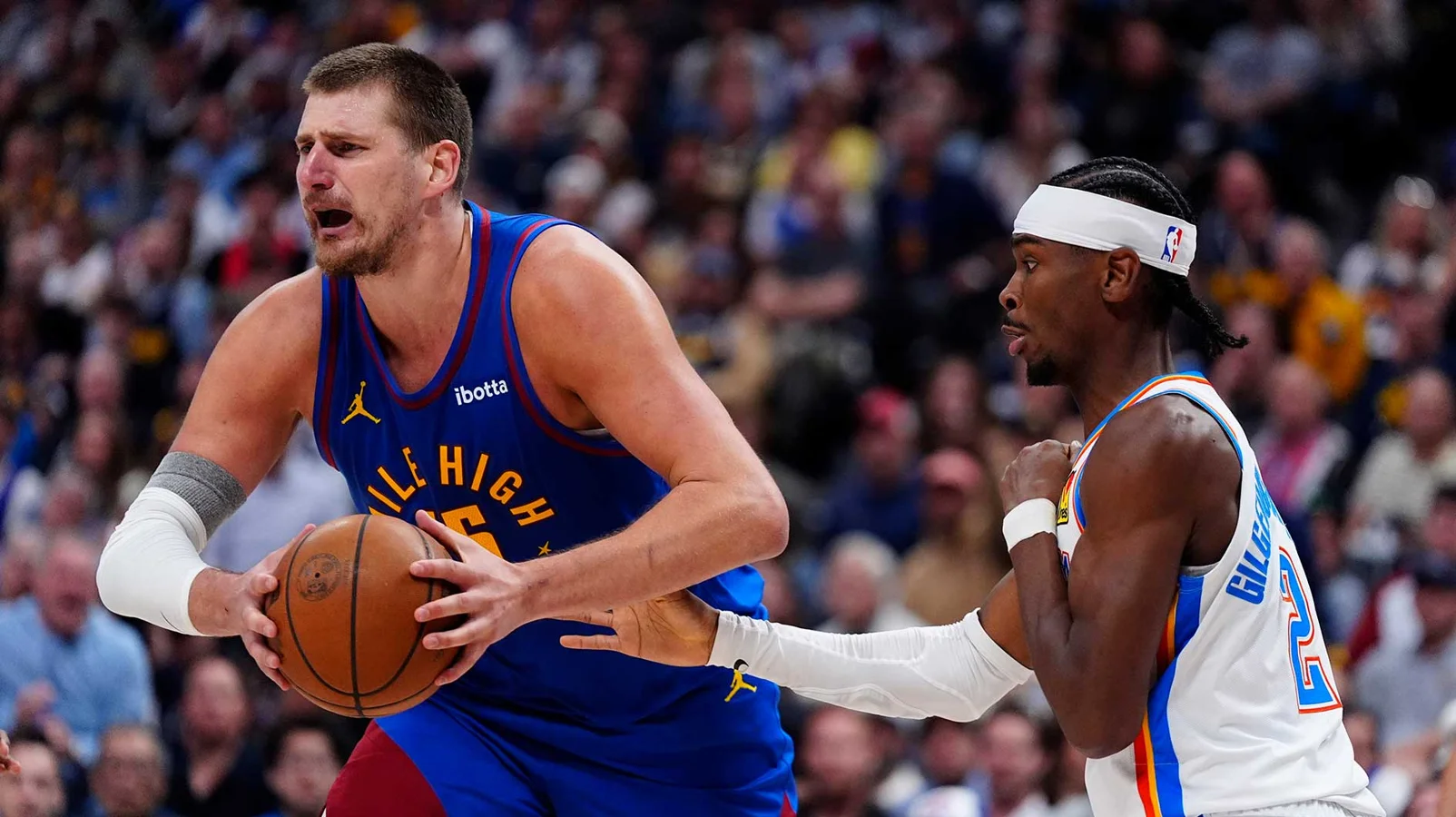

Nikola Jokic, a three-time NBA MVP and one of the most skilled players in the league, has long been rumored to dislike practice sessions, sparking debates about his work ethic. However, these perceptions do not fully capture the truth about Jokic’s approach to training and preparation.
While the Serbian superstar has openly admitted in interviews that he is not fond of traditional practice routines, the claims that he avoids putting in the work are misleading. His unique style and quiet off-court habits have fueled a myth that he shirks training, but insiders suggest otherwise.
Insights From Teammates Reveal Hidden Commitment
Kentavious Caldwell-Pope, who won an NBA championship with the Denver Nuggets alongside Jokic in 2023, has addressed these misconceptions directly. Speaking on the podcast Above the Rim with DH12, Caldwell-Pope highlighted that the remarkable plays Jokic makes during games stem from dedicated behind-the-scenes preparation.
Despite this, the podcast host expressed skepticism, challenging the idea that Jokic invests meaningful time in practice. Caldwell-Pope rejected that notion firmly, responding,
“That’s just like saying LeBron [James] ain’t put in the time.”
—Kentavious Caldwell-Pope, NBA Champion
His comparison to LeBron James underscores the seriousness with which Caldwell-Pope views practice dedication. Both Caldwell-Pope and three-time Defensive Player of the Year Dwight Howard, also on the podcast, have witnessed firsthand the intense training regimens of NBA stars, making them confident that Jokic’s commitment matches that of other elite athletes.
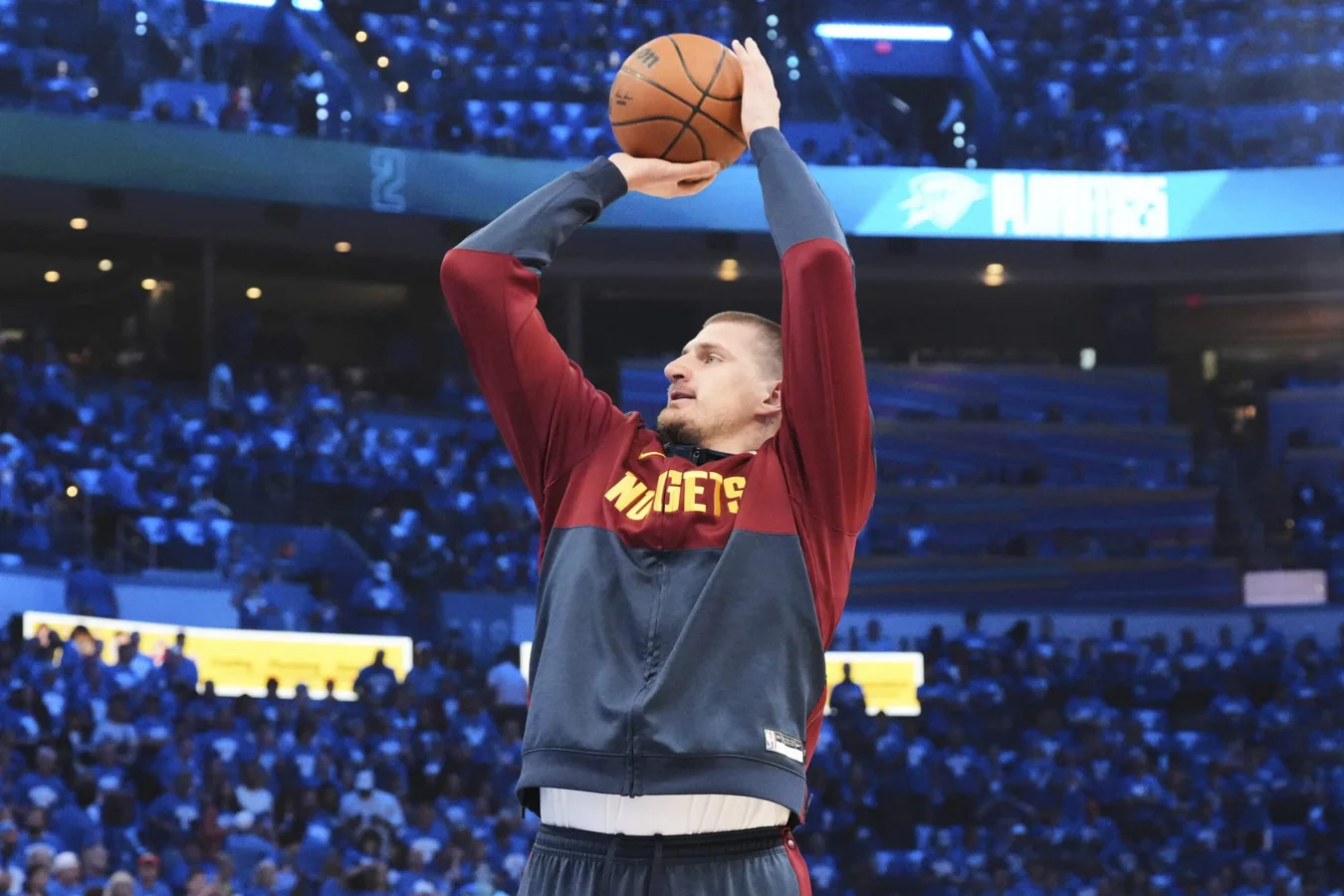
Jokic’s Personality Misunderstood by Many
Caldwell-Pope explained that Jokic’s low-key demeanor and preference for leisure activities, like horse-riding, often lead observers to misunderstand his work ethic. The big man’s priorities outside basketball can create an illusion that he avoids practice, but in reality, he balances his interests without compromising his preparation.
Jokic may prefer spending free time around horses to shooting hoops alone in the gym, yet this personal preference does not equate to a lack of effort in his craft.
Early Career Habits Show a Different Side of Jokic
Although Jokic’s current work habits defy the myth of laziness, his early years tell a different story. Mike Singer, a former Denver Post reporter, shared insights from Jokic’s first coach on The Hoop Collective podcast, revealing that young Jokic often avoided conditioning sessions and sometimes faked injuries to skip practice.
Attendance records reviewed by his coach showed a pattern of minimal practice participation except when games were imminent. Singer described it, saying,
“He went to the river, he was everywhere he could be outside of the gym. So, in this practice log, he attends practice three straight times, then goes to the game, and then skips the next 12 practices for his team.”
—Mike Singer, Former Denver Post Reporter
Singer also recounted,
“There were times in practice that I included in this book where he faked injuries to get out of practice. He hated running so much that his teammates knew he hated running, but he was so damn good that they needed him.”
—Mike Singer, Former Denver Post Reporter
This early reluctance towards practice did not impede Jokic’s rise, but it is clear he has evolved dramatically since those days.
The Evolution to an Elite NBA Player
Jokic’s transformation into one of the NBA’s most creative and efficient players demonstrates that his practice habits have matured substantially. The dazzling shots and unconventional moves that confound opponents, such as his famous “Sombor Shuffle,” are not products of luck but the result of skill honed away from public view.
Even though Jokic’s training style might not fit traditional expectations, his dedication behind the scenes is evident through his gameplay. This evolution highlights how different players have unique paths to greatness that challenge conventional narratives about work ethic.
What This Means for Jokic’s Legacy
The distortion of Nikola Jokic’s practice habits serves as a reminder not to judge athletes solely on appearances or offhand comments. While Jokic may not fit the mold of a conventional gym rat, his results on the court prove his proficiency and commitment. Understanding his distinct approach helps explain how a seemingly laid-back star can achieve extraordinary success.
Going forward, Jokic’s example may inspire a broader view of how elite players maintain peak performance, blending personal interests with professional demands in ways that work best for them.