
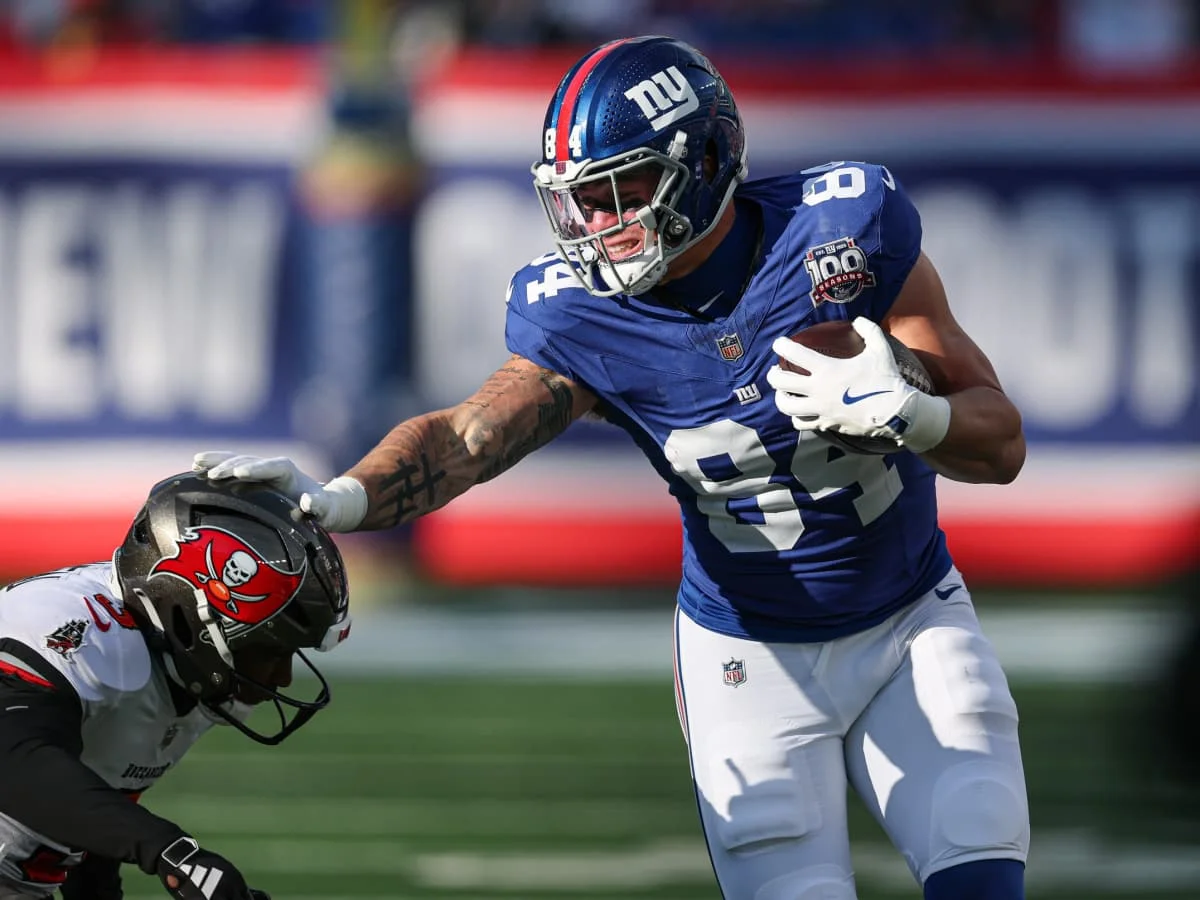

Russell Wilson has begun a new chapter as the starting quarterback for the New York Giants, a team looking to stabilize its future amid ongoing change. Joining the Giants comes with heightened expectations not only for his on-field performance but also for his role in uniting the locker room during a delicate period of transition. As the experienced quarterback prepares to lead while the team grooms rookie Jaxson Dart, Wilson faces scrutiny over his ability to inspire and connect with his new teammates.
Concerns Arise Over Wilson’s Effectiveness as a Locker Room Leader
Former NFL quarterback Chris Simms, whose father Phil Simms is a Giants legend, has publicly expressed doubts about Russell Wilson’s leadership effectiveness since joining the team. On his show, Simms referenced input from multiple sources along with his own observations regarding Wilson’s rapport within the locker room. He noted a noticeable disconnect between Wilson and other players, remarking that some teammates appear disengaged or indifferent to Wilson’s efforts to assert leadership.
This skepticism challenges the traditional role expected of a quarterback in the NFL, where the position demands more than athletic skill—it requires the ability to motivate and guide the entire team. Simms’s critique spotlights the possibility that Wilson’s leadership approach may not yet be resonating with the Giants’ roster, which could complicate team cohesion in the intense New York sports environment.
Giants Navigate a Complex Team Dynamic Amid Coaching Uncertainty
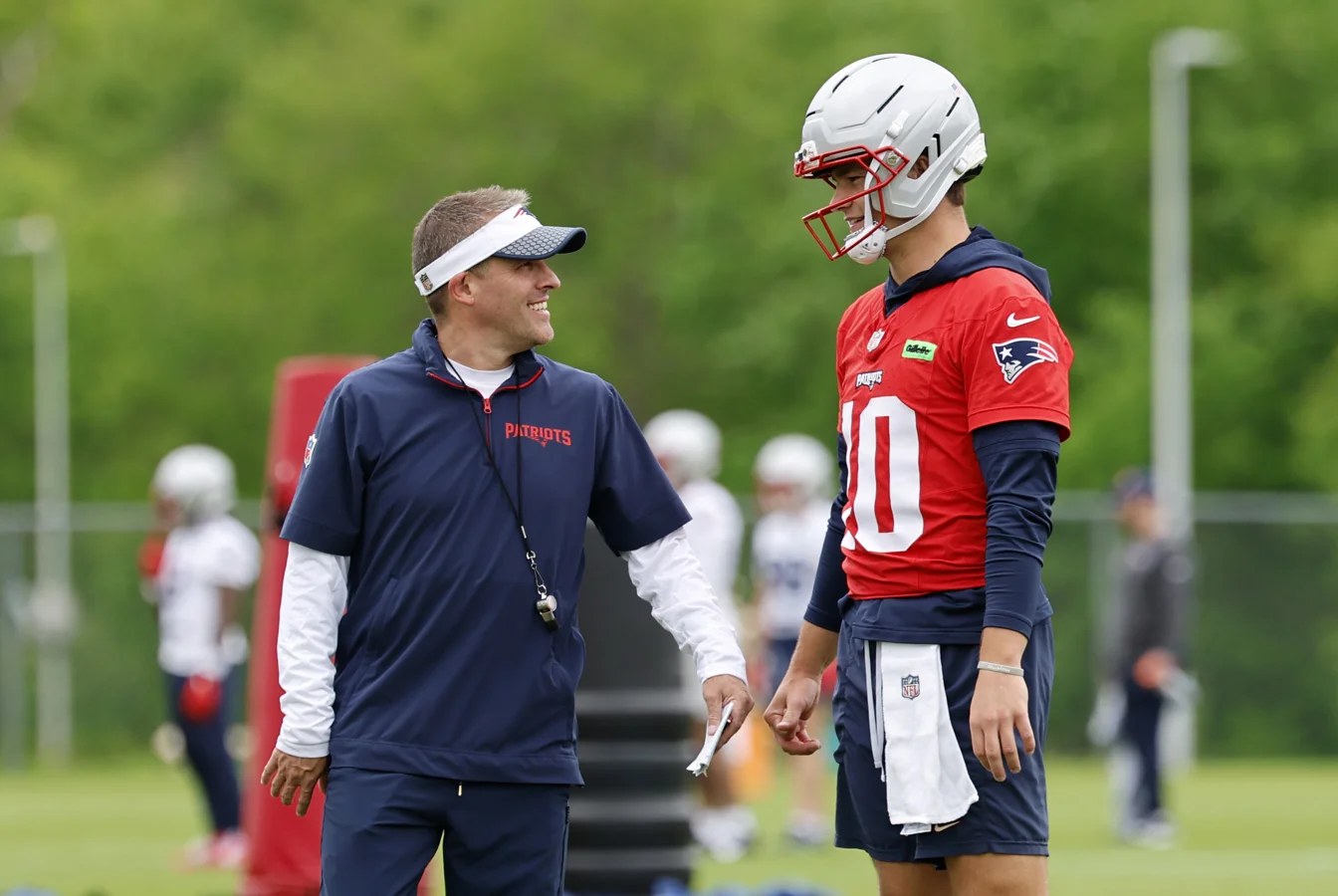
The New York Giants are currently navigating multiple layers of uncertainty. The coaching staff’s future remains unclear, while a talented rookie, Jaxson Dart, waits for his opportunity to assume a larger role. Adding to the complexity is veteran backup quarterback Jameis Winston, who might challenge for more playing time. Entering this environment, Russell Wilson’s presence introduces both potential stability and new challenges as the team looks to find its direction.
Wilson must balance confidence with empathy to engage the players and earn their trust in an atmosphere that is far from settled. His ability to build strong relationships off the field will be as critical as his playmaking during games. The existing doubts revealed by critics like Simms underline the hurdles Wilson faces in becoming an effective leader in New York.
Wilson’s Opportunity to Redefine Leadership with the Giants
This season, Wilson has a pivotal chance to reshape the narrative surrounding his leadership. Success in the quarterback role is often measured by how well a player can inspire teammates and unify the locker room, especially in a demanding market such as New York. For Wilson, the opportunity extends beyond winning games—it involves demonstrating resilience and conviction that can drive the Giants forward.
His tenure in the city will hinge heavily on whether he can overcome skepticism and foster a cohesive team identity. Leadership in the NFL is frequently tested under pressure, and how Wilson responds to this challenge will influence both his legacy and the Giants’ potential for success in coming years.
The Stakes of Leadership: What’s Next for Wilson and the Giants
As the season unfolds, observers will closely watch how Russell Wilson manages the complex leadership dynamics within the Giants organization. The role he assumes could determine whether the team evolves into a consistent contender or struggles under internal discord. With new talent emerging and the coaching situation in flux, Wilson’s stewardship could provide the stability the Giants need.
Ultimately, the path ahead demands that Wilson prove his skills extend beyond the gridiron to include inspiring belief and unity among his teammates. This challenge, while formidable, also offers an opportunity for Wilson to solidify his impact on the Giants in a fiercely competitive NFL landscape.