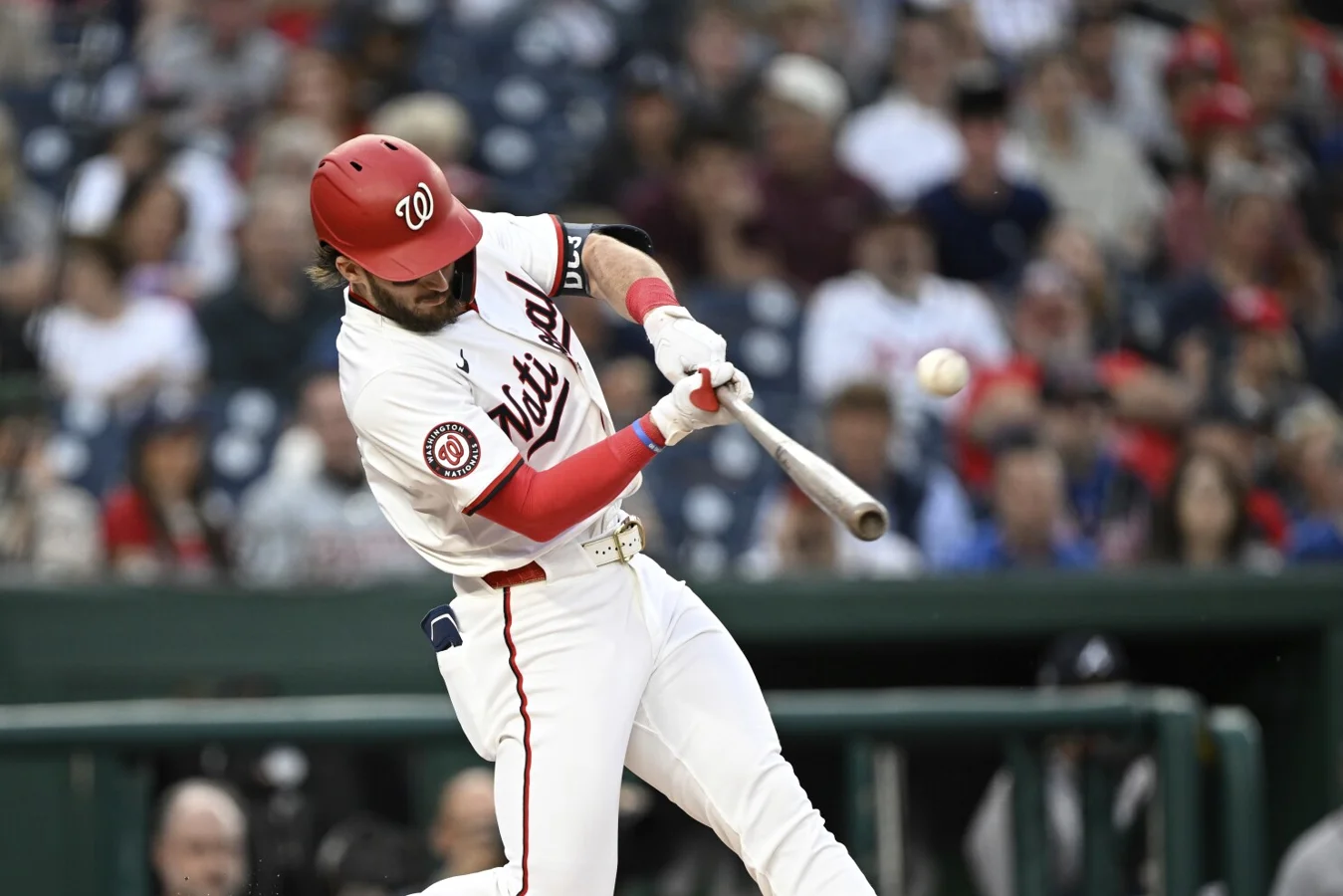
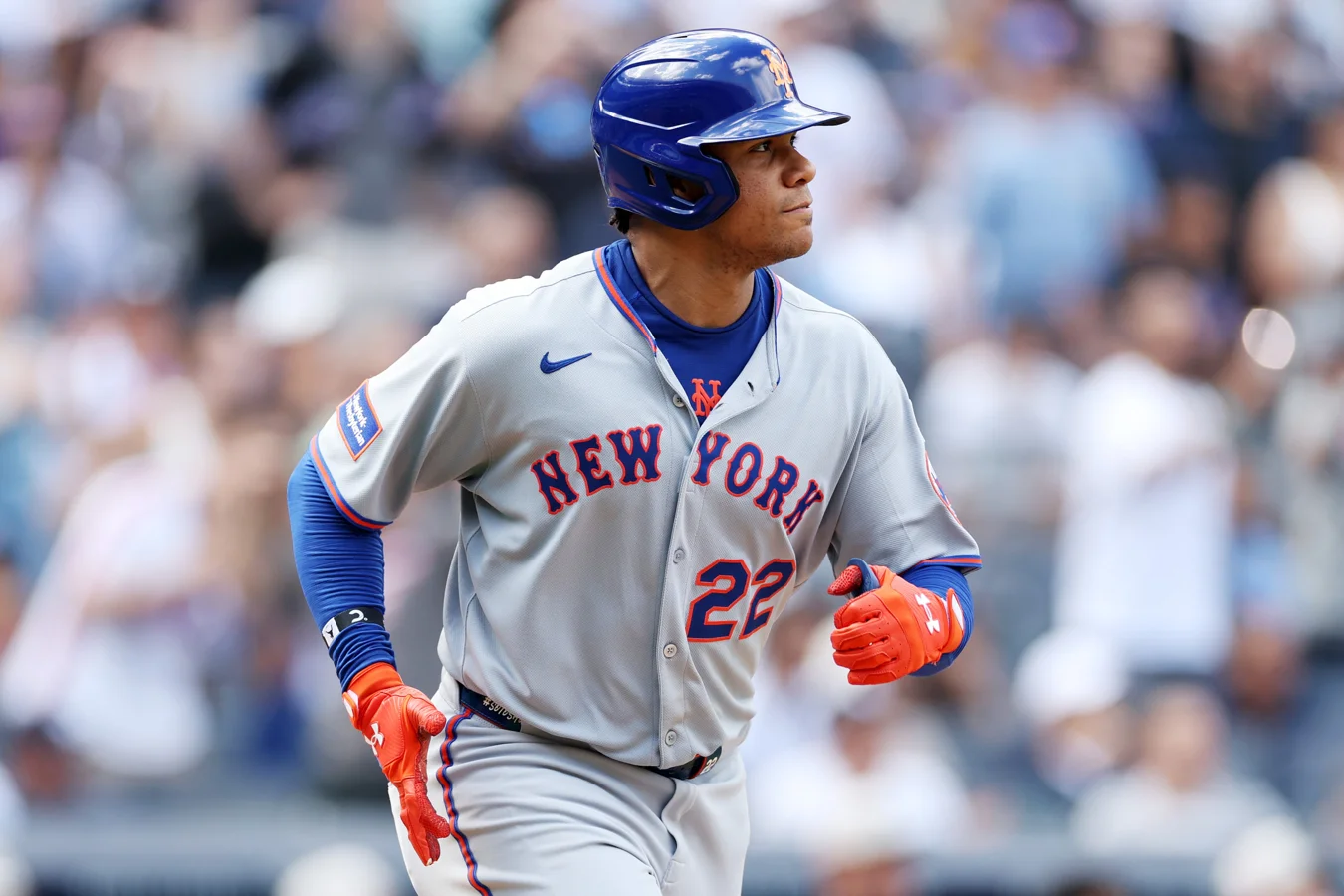
Juan Soto's trade has significantly impacted the Washington Nationals, hindering their competitiveness and future potential.
In 2022, the Washington Nationals traded star outfielder Juan Soto to the San Diego Padres, a move that marked a dramatic turning point for the franchise. This event, central to understanding the Juan Soto trade impact on Washington Nationals, has since cast a long shadow over the team’s prospects and stirred significant frustration among fans. Once celebrated for their 2019 World Series championship and the powerful young core led by Soto, the Nationals now face mounting questions about their direction and strategy amidst years of decline.
The Decline Following a Promising Championship Era
The Nationals’ 2019 World Series victory seemed to herald a bright future, largely due to Juan Soto’s emergence as a generational talent at just 20 years old. Expectation was high that this core would compete at a top level for years to come. Yet, the baseball landscape quickly shifted, upending these hopes. The trade that sent Soto to the Padres in exchange for prospects CJ Abrams and MacKenzie Gore was dubbed a “reboot” by the Nationals organization but has since been viewed by many as a catalyst for sustained struggles. Despite acquiring young talent, the team has yet to return to playoff contention, leaving their fanbase disillusioned and puzzled.
One core issue lies in the Nationals’ decline in payroll investment and player development, which analyst Ken Rosenthal sums up bluntly:
Image of: Juan Soto
“Ownership’s lack of investment is partly to blame. The Nationals opened with a top-10 payroll seven out of eight seasons between 2014 and 2021, but in the past three years have averaged in the bottom 10… A perhaps even bigger problem is the team’s failures in player development, as well as amateur and international scouting… Good teams both spend and develop. The Nationals do neither.”
—Ken Rosenthal, Baseball Analyst
Rosenthal’s assessment highlights how the franchise’s financial retrenchment and weaknesses in nurturing talent have severely hampered their competitiveness. The once-promising pipeline for homegrown players has withered, with only three franchise players since 2013 reaching a career bWAR of 5.0, and notably, none doing so wearing Nationals uniforms. International scouting efforts, which once produced a talent like Soto, have similarly stalled, yielding no comparable replacements despite substantial spending.
Prospects and the Clock Ticking on Key Players
The return for Soto included CJ Abrams and MacKenzie Gore, both talented but not without challenges. Abrams has shown promise but remains under pressure as talks over a contract extension continue with no firm agreement. Gore, represented by well-known agent Scott Boras, presents an even trickier situation, as his potential contract demands may not align with the Nationals’ financial plans. Both players are already several years into their professional service time, which creates urgency for the Nationals to capitalize on their development and potential before contract negotiations become more complex.
Beyond Abrams and Gore, Washington’s farm system struggles to produce impact talent. James Wood is regarded as the organization’s top emerging prospect, yet the overall system lacks depth. This shortage of promising young players casts doubt on the franchise’s ability to organically rebuild through its minor league ranks in the near term.
Brad Lord’s Unexpected Rise amid Injuries
While the Nationals’ roster faces significant hurdles, Brad Lord has emerged as a surprising bright spot. Once working a regular job in a Home Depot aisle, Lord has catapulted from the minors to the major league mound faster than expected. Injuries to starting pitchers DJ Herz and Zach Brzycky created unexpected opportunities for Lord to debut early in the 2025 season.
Initially brought into the bullpen, Lord quickly transitioned into a starting role after Michael Soroka was sidelined with injury. Though Soroka has since returned, the team’s shallow pitching depth and his reduced pitch counts make stretching Lord out as a starter a likely scenario. Meanwhile, struggling veterans like Trevor Williams, whose performance has significantly declined, emphasize the Nationals’ ongoing instability in their pitching rotation.
Fan Frustrations and Future Implications
The fallout from the Juan Soto trade continues to resonate strongly throughout the Nationals organization and its fanbase. What was intended as a strategic rebuild has instead unfolded as several years of subpar performance and mounting uncertainty. The franchise’s drop-off from World Series champions to perennial underachievers underscores deeper issues around investment priorities and player development philosophies.
The team’s recent moves, including changes in scouting and player development staff, suggest an acknowledgment of these problems, yet tangible progress remains elusive. Fans continue to hope for a turnaround sparked either by returns on prospects like Abrams, Gore, or Wood, or unexpected contributors such as Brad Lord.
As Washington navigates its next steps, the long-term impact of the Juan Soto trade will be a defining chapter in the franchise’s history. How the Nationals manage their roster, payroll, and scouting efforts in the coming seasons will ultimately determine whether the sting of this trade fades or entrenches the team’s struggles further.