
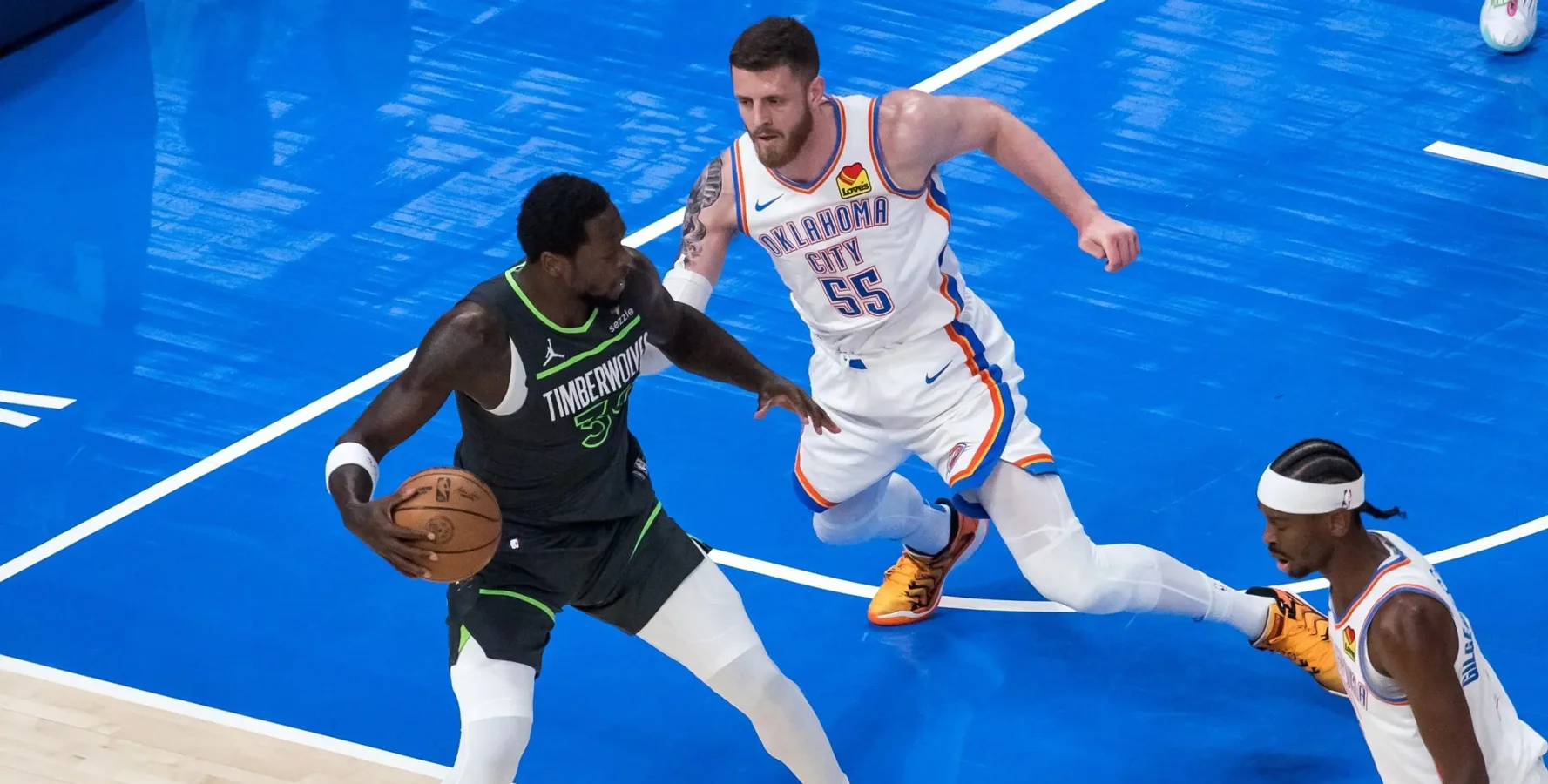

In professional basketball, respect is a crucial element that shapes careers. Lonzo Ball recently discussed how the Los Angeles Lakers’ perceived disrespect toward Julius Randle influenced the forward’s choice to enter free agency after the 2017-18 NBA season. This insight reveals behind-the-scenes tensions during a pivotal time for both Randle and the Lakers.
The Lakers’ 2017-18 Season as a Turning Point for Randle
The 2017-18 NBA season was marked by transition for the Lakers, featuring roster changes and evolving team strategies. During this period, Julius Randle, known for his strong, versatile play, reached a career crossroads. Although his on-court contributions had improved, his relationship with the Lakers began to strain unexpectedly.
Lonzo Ball Describes a Season Filled with Discontent for Randle
Lonzo Ball pointed to issues in how the organization treated Julius Randle during that season. He argued that the Lakers’ approach, including gaps in communication, amounted to a subtle but impactful form of disrespect. According to Ball, this perceived lack of appreciation for Randle’s efforts and potential prompted him to consider pursuing opportunities elsewhere.
Julius Randle’s Decision to Pursue Free Agency
Feeling undervalued by the Lakers, Julius Randle chose free agency as a means to take control of his professional trajectory. His departure was more than a team change; it was a clear assertion of his desire to be respected and acknowledged for his skills. The decision underscored Randle’s determination to find an environment that truly recognized his worth.
Randle’s Growth After Leaving the Lakers
Since moving on from Los Angeles, Julius Randle’s career has seen remarkable growth. His improved performances and dedication have shifted public perception and earned him praise. Randle’s development illustrates how an athlete can turn a lack of respect into motivation, ultimately redefining their career path.
The Broader Importance of Respect in Professional Sports
The experience of Julius Randle and the Lakers highlights a fundamental truth in sports: respect within an organization is essential for player satisfaction and success. Randle’s bold step to leave in search of that respect reflects a larger lesson about maintaining strong internal relationships in competitive teams. As the NBA continues to evolve, recognizing and valuing players off the court remains as important as their on-court contributions.