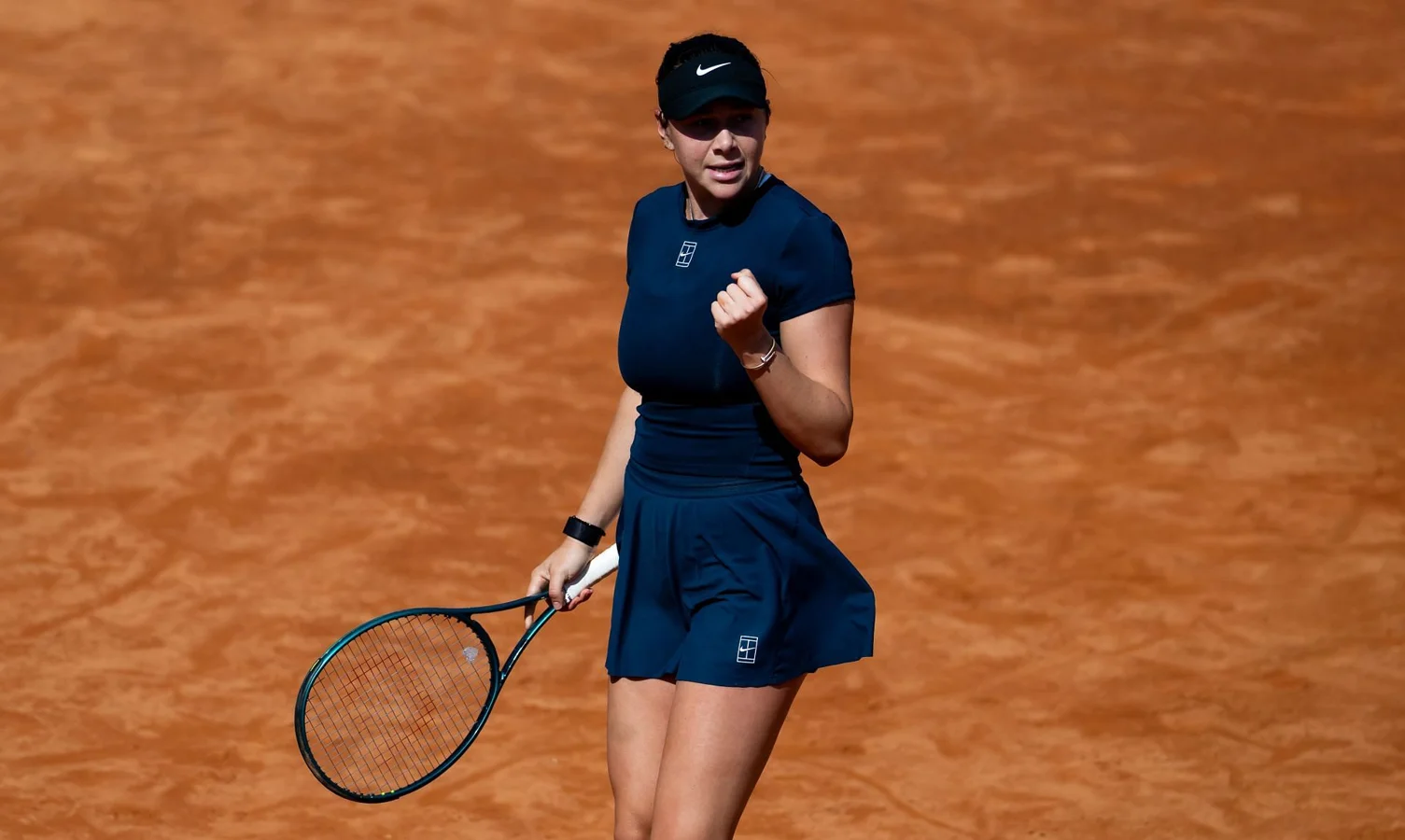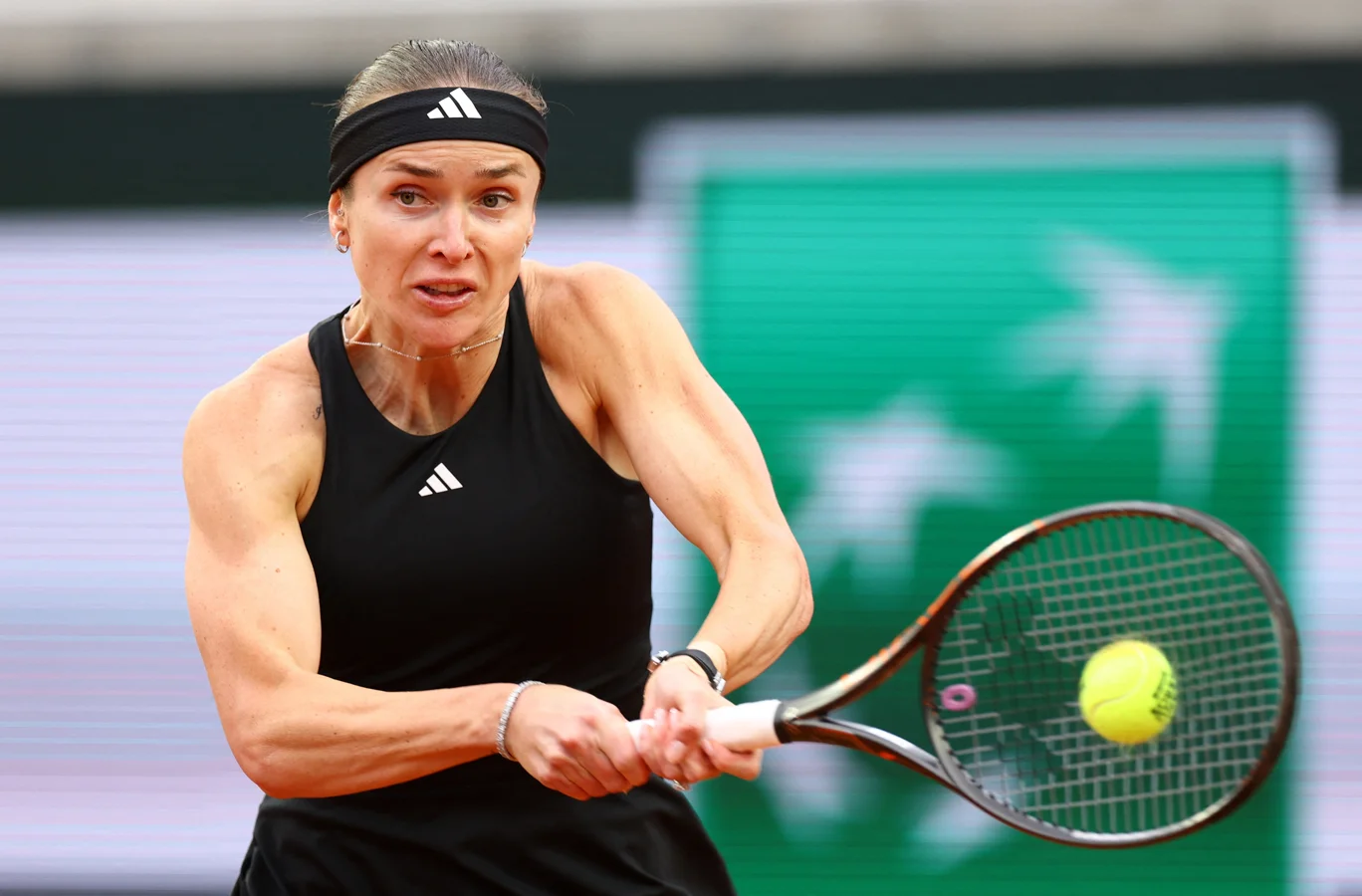

Amanda Anisimova’s inspiring tennis comeback, marked by her incredible rise back into the Top 20, underscores the powerful connection between athletic perseverance and mental health awareness. After announcing an indefinite break from professional tennis in May 2023 to focus on her mental well-being and to combat burnout, the 23-year-old American has returned to the sport with renewed energy and determination. Her recent triumph at the prestigious 2025 Qatar Open, where she secured her first career WTA 1000 title, highlights not only her athletic prowess but also her resilience through one of the most difficult chapters of her life.
Anisimova, currently ranked 16th in the world, credits much of her success to prioritizing her mental health and taking time off when she needed it most. The break she took followed a turbulent period beginning in the summer of 2022, a time shadowed by the death of her father and coach, Konstantin Anisimov, and ongoing mental health struggles. “I’ve really been struggling with my mental health and burnout since the summer of 2022. It’s become unbearable being at tennis tournaments,” she shared in a heartfelt Instagram post when announcing her hiatus. “At this point, my priority is my mental well-being and taking a break for some time. I’ve worked as hard as I could to push through it.” Her openness about this difficult time has sparked conversations in the sports community about the importance of mental health for athletes, especially in high-pressure environments like professional tennis.
Amanda Anisimova’s tennis journey began early, influenced by her elder sister, Maria, who played collegiate tennis at the University of Pennsylvania. Anisimova took to the sport herself at age five and rapidly ascended through the ranks. Her breakthrough moment as a junior came when she won the 2017 US Open junior title just after her 16th birthday, defeating Coco Gauff in straight sets. She continued to impress on the senior circuit, reaching the semifinals of the 2019 French Open and the quarterfinals of Wimbledon in 2022, cementing her status as one of the sport’s most promising young players.
However, despite her on-court successes, the mental and emotional toll of competing at the highest level, compounded by the loss of her father and long-time coach, led Anisimova to step away from the sport temporarily. This decision, while difficult, proved crucial in her recovery and resurgence. After beginning training again in September 2023, she made her on-court return at the 2024 Australian Open, reaching the fourth round before being defeated by world number one Aryna Sabalenka. Reflecting on the comeback tournament, Anisimova emphasized, “The most important thing is that I feel a lot more refreshed,” highlighting how mental wellness significantly affected her performance and mindset.
Her resilience has paid off impressively this season. Ranked as low as 213 a year ago, Anisimova’s skill and determination propelled her to the finals and subsequent victory at the Qatar Open in 2025, where she defeated 2017 French Open champion Jelena Ostapenko 6-4, 6-3. Speaking about that monumental win, she said, “It feels amazing. It’s been such an incredible week here. I think every match has been very tough. I’m just super happy with my performances and my level here, and to be able to get my first 1000 title is really special to me.” She also acknowledged the struggles behind the success, revealing, “There’s been a lot of hard work, a lot of tears.”
Anisimova’s comeback is not just a testament to physical skill but an example of how prioritizing mental health can drive long-term success in sports. Her journey has inspired many, especially young athletes, who often face the pressure to perform without acknowledging the importance of psychological well-being. Speaking candidly in an August 2024 interview, she set clear goals for her career, stating, “I hope I have many years of career ahead. I have many goals to achieve. A small one for this year was to reach the Top 100, something I have already accomplished. I want to be able to win a Grand Slam and become the world number one. I hope all the work helps me get there.” These ambitions reveal her renewed motivation and hunger for achievement after overcoming personal adversity.
The significance of Anisimova’s story extends beyond her individual success; it reflects a broader shift in sports culture where mental health is gaining overdue recognition. Her willingness to openly discuss burnout and grief, and to take the necessary time to heal, sends a powerful message that becoming a champion sportsperson also means taking care of oneself off the court. This has encouraged fans, coaches, and fellow players to rethink how they approach mental health, especially in high-stakes competitions that can lead to emotional exhaustion.
Looking ahead, Anisimova’s strong performance trajectory shows she is more than capable of climbing higher in the rankings. With a win-loss record of 16-9 this season and a place in the third round of the 2025 French Open secured by a commanding victory over Switzerland’s Viktorija Golubic (6-0, 6-2), many tennis enthusiasts wonder just how far she can go. She herself acknowledges the challenge and remains passionate about fulfilling her potential, admitting, “It would be very hard to finish my career without achieving those goals.” This candidness adds an element of urgency and emotional depth to her return, as she races against time to accomplish her dreams in the sport.
Moreover, the mental health component of Anisimova’s comeback story adds layers of meaning to her victories. Her experience highlights how athletes are human beings first, with emotional and psychological needs that must be respected and nurtured. The balance she has struck between taking time away to focus on her mental well-being and pushing forward to achieve remarkable athletic feats exemplifies a new model for success that many hope to follow.
Amanda Anisimova’s return to elite tennis, crowned by her WTA 1000 title and Top 20 ranking, is a story filled with passion, conflict, and triumph. It shows how confronting mental health challenges openly and courageously can lead to renewed performance and personal fulfillment. As she continues to compete on the world stage, her journey will likely inspire a generation of athletes to value their mental health as much as their physical preparation, signaling a hopeful transformation in professional sports culture. This season’s comeback could well be one of the defining narratives of tennis in 2025, blending intensity, uncertainty, and hope into a powerful testament of resilience.