


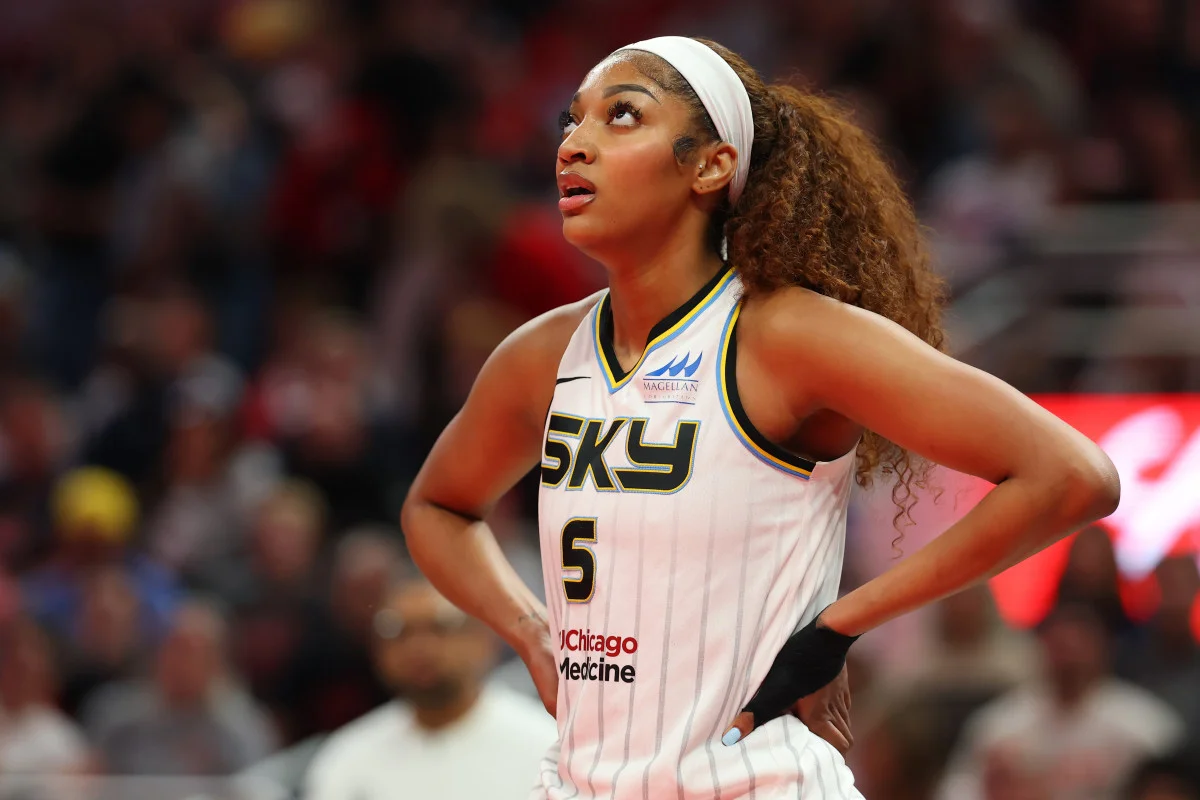
Angel Reese stirred the pot once more with a cryptic tweet sent in the early hours following a difficult night on the court. Amid ongoing frustration over a recent loss and unsuccessful attempts to ignite racial tensions, Reese’s social media activity has kept her at the center of controversy.
The ongoing saga surrounding Angel Reese cryptic tweet and race war attempts continues to draw significant attention, especially after the latest WNBA game where she struggled with her shooting performance and faced renewed criticism. This event marks yet another chapter in a series of claims and investigations tied to allegations of racial incidents during games.
Early-Season Struggles and Social Media Drama
Angel Reese has had a turbulent start to the WNBA season, combining strong physical play with numerous distractions off the court. Fans and commentators alike noticed Reese posting late-night tweets that many interpreted as frustrated reactions to recent events. Her digital exchanges, particularly with Clay—a figure she reportedly blocked due to their age difference—have added fuel to the flare-up of debates surrounding her behavior.
Sports media outlets, including ESPN and SportsCenter, have defended Reese despite underwhelming statistics from recent games, where she shot just 3-of-9 from the field and relied heavily on free throws for scoring. While some see her as a rising star, critics argue her performance falls short of the hype the network builds around her.
Unsubstantiated Claims of Racial Incidents on the Court
A major point of contention involves Reese’s prior allegations about racial hostility from fans during recent matchups. Earlier this month, an investigation was launched into claims that Indiana Fever supporters directed offensive language toward Reese during a game against Caitlin Clark’s team. Despite the gravity of the accusations, the probe concluded without uncovering any video evidence or credible eyewitness testimony, leaving the allegations unverified.
Reese herself has remained vague about the details, refusing to specify what was said, by whom, or where exactly the incident took place. When pressed about the situation, she stated,
“there’s no place in this league for that.”
—Angel Reese, WNBA Player
Following the investigation, the WNBA publicly declared that no such misconduct occurred, dismissing the claims and raising questions about the motives behind the accusation.
Repeated Use of Race Allegations to Deflect Criticism
This is not the first time Angel Reese has invoked race-related issues during the season. Past claims included allegations against Caitlin Clark’s fanbase, with accusations that a Clark supporter harassed Reese’s Black teammates near their team hotel—a charge that remains unsupported by evidence even after a year has passed. Critics argue that these accusations resemble a pattern used to deflect attention from on-court struggles and shift the narrative towards controversy.
Observers connect Reese’s approach to broader political and cultural strategies, citing it as an example of tactics labeled as “Democrat 101,” where accusations of racism serve as a defensive mechanism when under pressure.
Media Avoidance of Racial Allegation Questions During Press Events
Despite the intense public focus, the media covering Reese and her team have notably avoided probing questions regarding these unresolved racial claims. At her latest postgame press conference, no reporters brought up the investigation or the WNBA’s findings, sparking criticism about the media’s reluctance to address controversial topics directly with athletes.
Those critical of this dynamic describe the media environment as overly protective or complicit. Some insiders express frustration at the lack of accountability in sports journalism, which they believe contributes to the perpetuation of unsubstantiated claims and tension within the league.
The Ongoing Impact and What Lies Ahead
Angel Reese’s combination of athletic talent and off-court controversies continues to influence her public image and the WNBA’s broader cultural climate. Her cryptic tweets and the unresolved nature of racial allegations highlight ongoing challenges in balancing athletic competition with social issues. As the season progresses, how Reese and the league address these narratives may affect both her career trajectory and the WNBA’s reputation.
With raising tensions and media scrutiny, the next moves from Reese, her teammates, and league officials will be closely watched, potentially shaping conversations about race, sportsmanship, and accountability in professional basketball for months to come.