
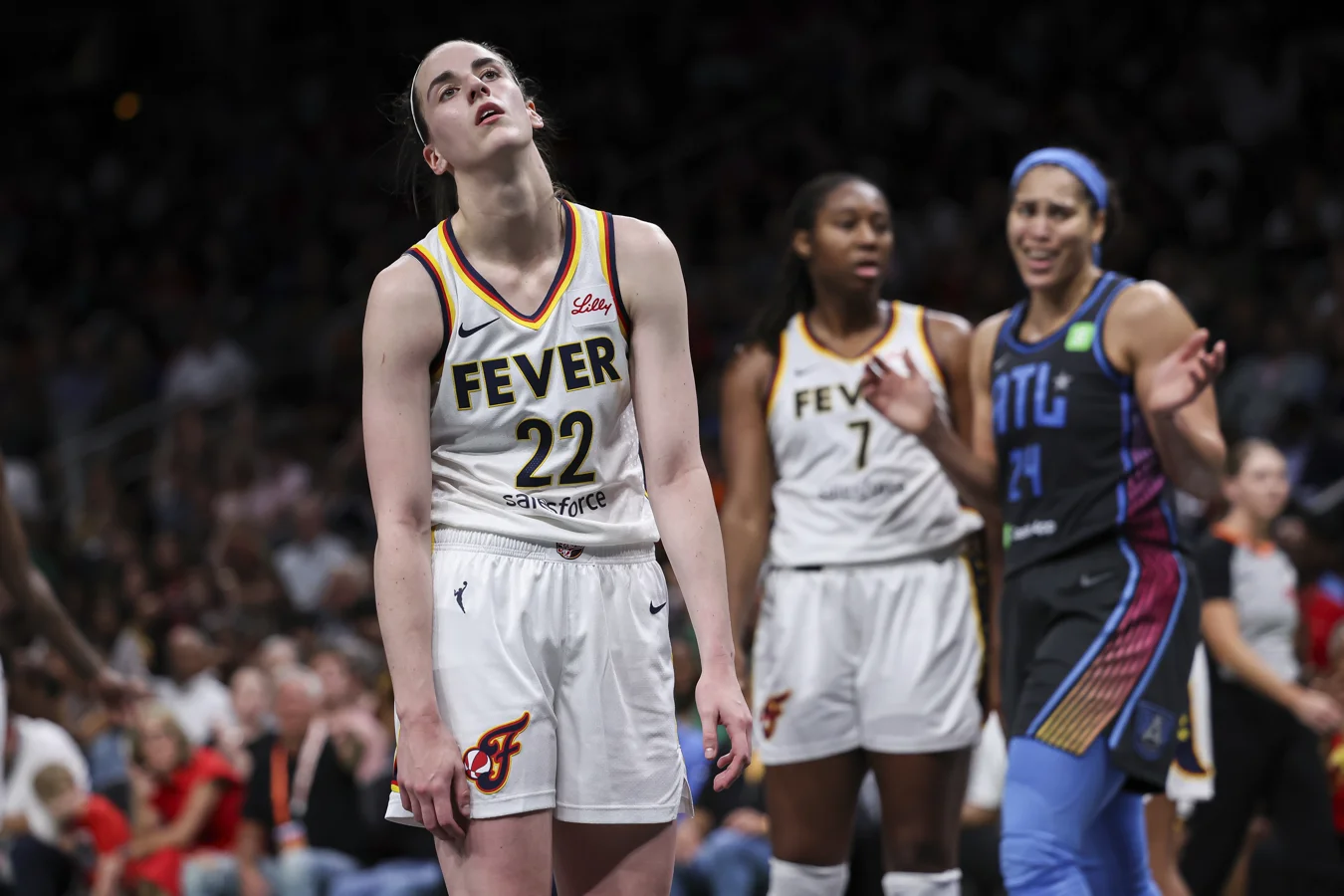

The WNBA’s investigation into alleged racist behavior directed at Angel Reese during a game at Gainbridge Fieldhouse has sparked intense backlash from fans and public figures, including Barstool Sports owner Dave Portnoy. The controversy centers on claims made on TikTok about racial abuse, which the league’s inquiry ultimately found lacked supporting evidence, fueling strong criticism and accusations of mishandled crisis management.
The Angel Reese WNBA race-hate investigation controversy erupted after a heated game between Reese and Caitlin Clark, stirring social media claims that monkey chants targeted Reese during free throws. Despite thorough review involving multiple angles and eyewitnesses, the WNBA could not substantiate these allegations, prompting a wave of frustration and disbelief among fans and commentators.
Origin of the Investigation and Social Media Claims
During the sophomore season of Caitlin Clark and Angel Reese, their on-court rivalry drew significant attention, reflecting the excitement witnessed in the 2024 season. The intensity of their matchup captivated basketball fans nationwide, but after one particularly charged game, reports surfaced on social media about racial slurs and monkey chants being directed at Reese by some attendees at Gainbridge Fieldhouse.
The Indiana Fever fanbase was accused of orchestrating insults aimed at humiliating Clark’s opponents, perpetuating a narrative of racial hostility at the arena. These claims gained traction quickly, leading the WNBA to open an investigation to ensure fan safety and uphold the league’s standards against discrimination.
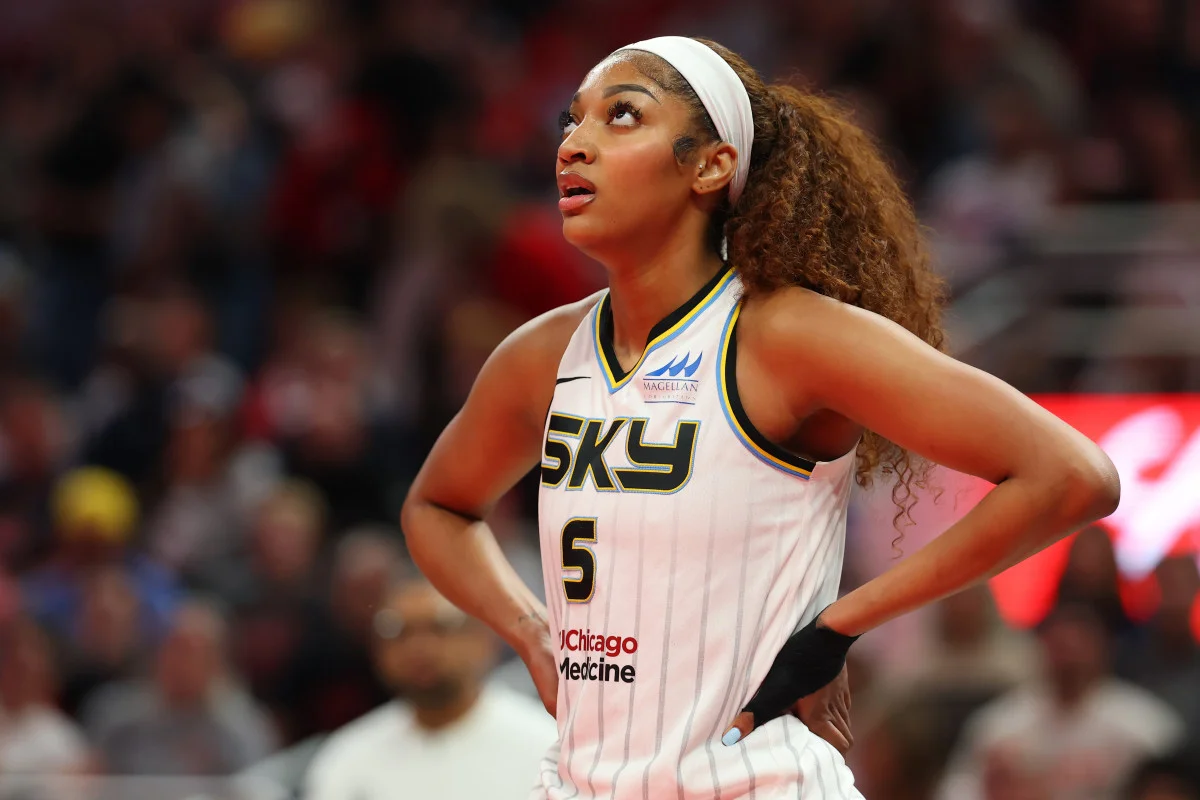
As days passed without confirmation, speculation extended beyond fan behavior, with some right-wing commentators suggesting that Black athletes might be projecting frustration onto Clark. However, the Associated Press released an update revealing that the league found no credible evidence—through video, audio, or eyewitness reports—to verify the occurrence of racist chants or actions at the event.
Outrage Over WNBA’s Response and Handling of Social Media Claims
The WNBA’s public statement that no racist fan behavior was substantiated met strong condemnation from many fans who believed the investigation was sparked by unfounded social media claims rather than concrete incidents. Dave Portnoy harshly criticized the league for reacting to TikTok videos rather than its own broadcast and on-site observations.
Portnoy, who attended the game sitting in the front row, asserted that he heard no such abuse and suggested the accusations were amplified by Angel Reese’s online supporters attempting to stir controversy. His remarks captured the anger of many who felt the league had unnecessarily inflamed racial tensions without solid proof.
No shit you fucking morons @WNBA Maybe wait next time before creating a racial war based on angry tik toks from Chicago Sky/Angel trolls who weren’t even at the game. Honestly one of the worst mismanagements of Pr I’ve ever seen. https://t.co/A5IfqsN8kR
— Dave Portnoy, Barstool Sports Owner
Other fans echoed this frustration, pointing out that ESPN and the WNBA appeared to vilify an entire fanbase based on one post, leading to backlash against innocent supporters who were simply rooting for their team.
So, to sum up, Espn & the @WNBA gave credence to a post, Trashed a fan base, Subjected that fan based to racial attacks & vilified them for rooting for their team. No apology forthcoming. They will just wait for CC to make them more money while protecting jealous hags.
— NashvilleHawk, Twitter User
Comparisons were also made to other high-profile false racial allegations in sports, urging the WNBA and sports media to rely on clear evidence before endorsing inflammatory claims.
This is a Jussie Smollett moment for the WNBA and sports media. A professional league should demand evidence and be out front immediately shutting down false narratives by @espn commentators. The WNBA should also publicly address the very racial things said by @brittneygriner &…
— Christopher The Warrior, Sports Commentator
Fans questioned whether the league would hold accountable the individuals who initially spread the allegations, calling for equal scrutiny of those responsible for the false claims.
Are you going to address the trouble makers that brought these allegations up. Are you going to censure them just as harshly as you intended to censure these fans you investigated?
— Ken & Megan, Social Media Users
Critics argued that if any such incident had occurred, it would have been impossible for those watching or present in the arena to miss it, underscoring the groundlessness of the investigation’s trigger.
Chiney Ogwumike’s Apology Amid Backlash for Amplifying Racial Claims
Among those who publicly encouraged the call for an investigation was ESPN analyst and former two–time WNBA All-Star Chiney Ogwumike. After the investigation concluded with no evidence found, Ogwumike issued an apology recognizing the unintended impact her statements had on fans and the Fever community.
I am sorry that my message was in the heat of the moment. It was based on 1st-hand conversations with people very close to the situation who raised real concerns. I felt like it was important and necessary to acknowledge those allegations. I totally recognize that it may have impacted fans in a way that I did not anticipate.
— Chiney Ogwumike, ESPN Analyst and Former WNBA All-Star
In her statement, Ogwumike acknowledged that while her intentions were to highlight serious concerns, the outcome was not what she hoped for. She also expressed appreciation for her experiences playing in Indiana, signaling a desire to repair relations with the Fever fanbase following the contentious episode.
This acknowledgment from a respected figure within the WNBA community contributes to a broader call for caution and responsibility when addressing sensitive racial topics, particularly when evidence remains inconclusive.
Wider Implications for the WNBA and Social Media’s Role in Sports Controversies
The controversy surrounding the Angel Reese WNBA race-hate investigation controversy illustrates the growing influence of social media platforms like TikTok in shaping public narratives and prompting official league actions. The situation highlights challenges for professional sports organizations in balancing fan safety, racial sensitivity, and verification of claims before official intervention.
For the WNBA, this episode may serve as a lesson in crisis communication and the importance of investigating thoroughly before responding publicly. The league’s inability to confirm the allegations has caused reputational damage among fans who feel the WNBA fostered division unnecessarily.
Looking ahead, the WNBA may face pressure to establish clearer protocols in handling race-related accusations and to communicate more transparently with its audience. Fan engagement, especially in heated rivalries like that of Angel Reese and Caitlin Clark, will require sensitive management to prevent escalation fueled by unverified claims.
The incident also underlines the intense passion among basketball supporters, who remain vigilant about perceived fairness and respect both on and off the court. As Gainbridge Fieldhouse prepares for future games, the atmosphere might become even more charged, with fans eager to show their support amidst renewed attention.