
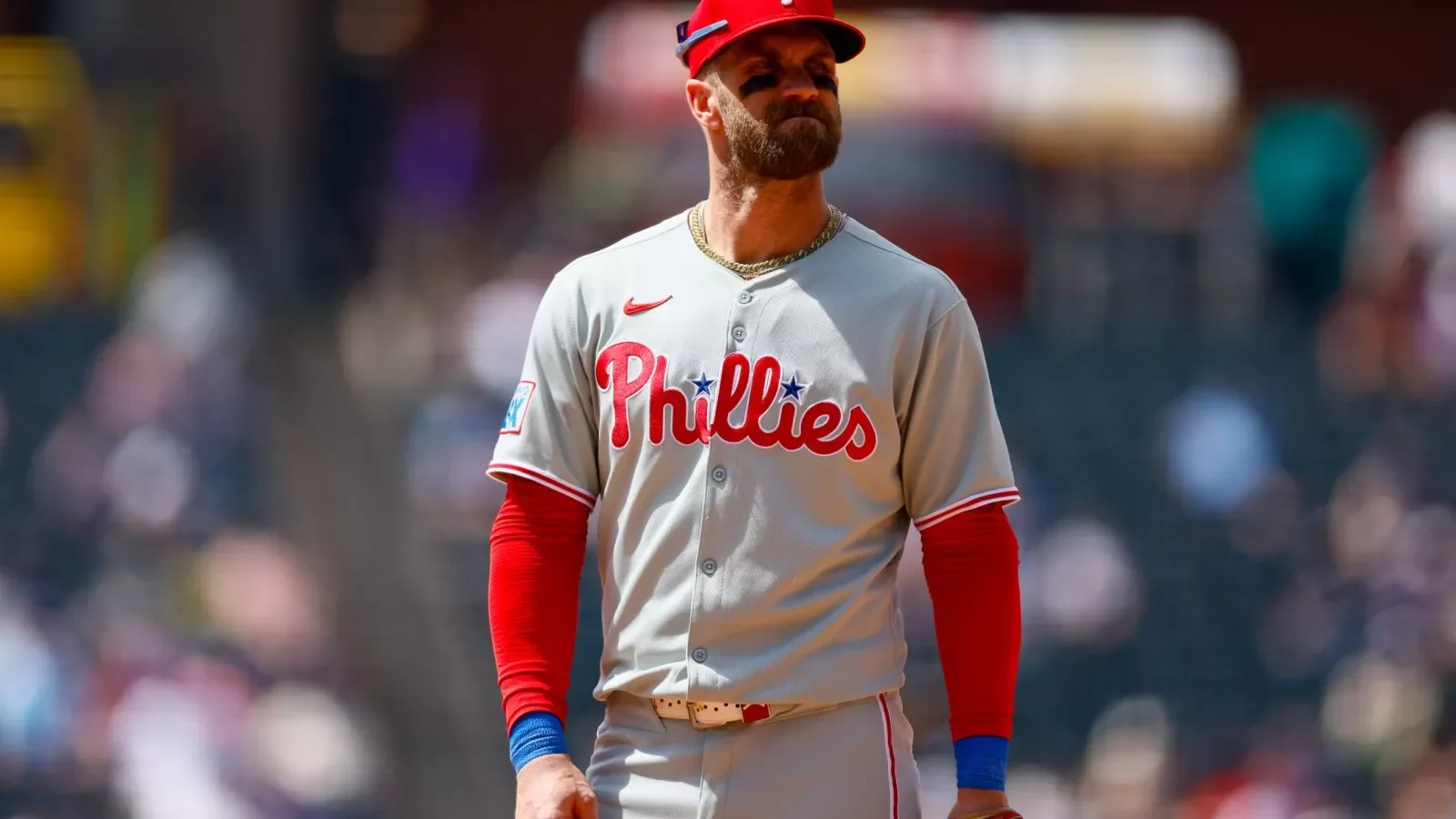

During a tense MLB game, Atlanta Braves pitcher Spencer Strider unintentionally hit Philadelphia Phillies star Bryce Harper with a 95.3 mph fastball, striking Harper’s elbow and forcing him to leave the game. The impact was so strong that the ball bounced back near the mound after hitting Harper. After medical evaluation, Harper was diagnosed with an elbow contusion, and thankfully X-rays revealed no fractures.
Intentions and Implications Behind the Hit-by-Pitch
Despite Strider’s insistence that the pitch was unintentional, the incident triggered a heated debate about whether the Braves should face consequences for the hit. In baseball culture, there exists an unwritten code that calls for accountability even when intent may be absent. Former MLB pitcher and broadcaster Ron Darling summarized this mindset well:
“Sometimes you have to pay as a team for your pitcher’s inability to throw the ball over the plate.”
—Ron Darling, former MLB pitcher and analyst
This perspective highlights how pitchers’ mistakes can impact entire teams, and sometimes retaliation is expected to maintain balance and respect on the field.
Ruben Amaro Jr. Speaks Out on Phillies’ Possible Retaliation
Ruben Amaro Jr., former Phillies general manager and current NBC Sports Philadelphia analyst, expressed that the Braves should be held accountable for Harper’s injury. Amaro pointed to Strider’s recent struggles this season, including three hit batsmen, and questioned the pitcher‘s control:
“Here’s the thing: I mean, Strider, for me, is a guy. He’s already had three hit by pitch hit batsmen this year, this year, he does not have the same command. Now, is there a purpose behind this pitch? Probably wanted to get in. Probably doesn’t have the command to get in. But someone will pay for that, I gotta believe.”
—Ruben Amaro Jr., former Phillies GM and analyst
He further emphasized that retaliation is likely inevitable:
“There’s a lot of baseball to play against the Atlanta Braves, and I will tell you that somebody on that mound will do the job by retaliating. I’m not sure when. They have plenty of time to do it. But it certainly should happen, because, for me, even if it wasn’t purposeful to hit him, I think the retaliation is the right thing to do.”
—Ruben Amaro Jr., former Phillies GM and analyst
Analyzing Spencer Strider’s Performance and Injury Context
Strider’s outing was marred by control issues, as he lasted just 4.2 innings while allowing only one hit, walking four batters, and hitting Harper. His strike rate was below his usual standard, with only 50 of 90 pitches registering as strikes. This was only Strider’s third start since recovering from Tommy John surgery, and he had also dealt with a hamstring injury earlier in the season, contributing to his current inconsistency.
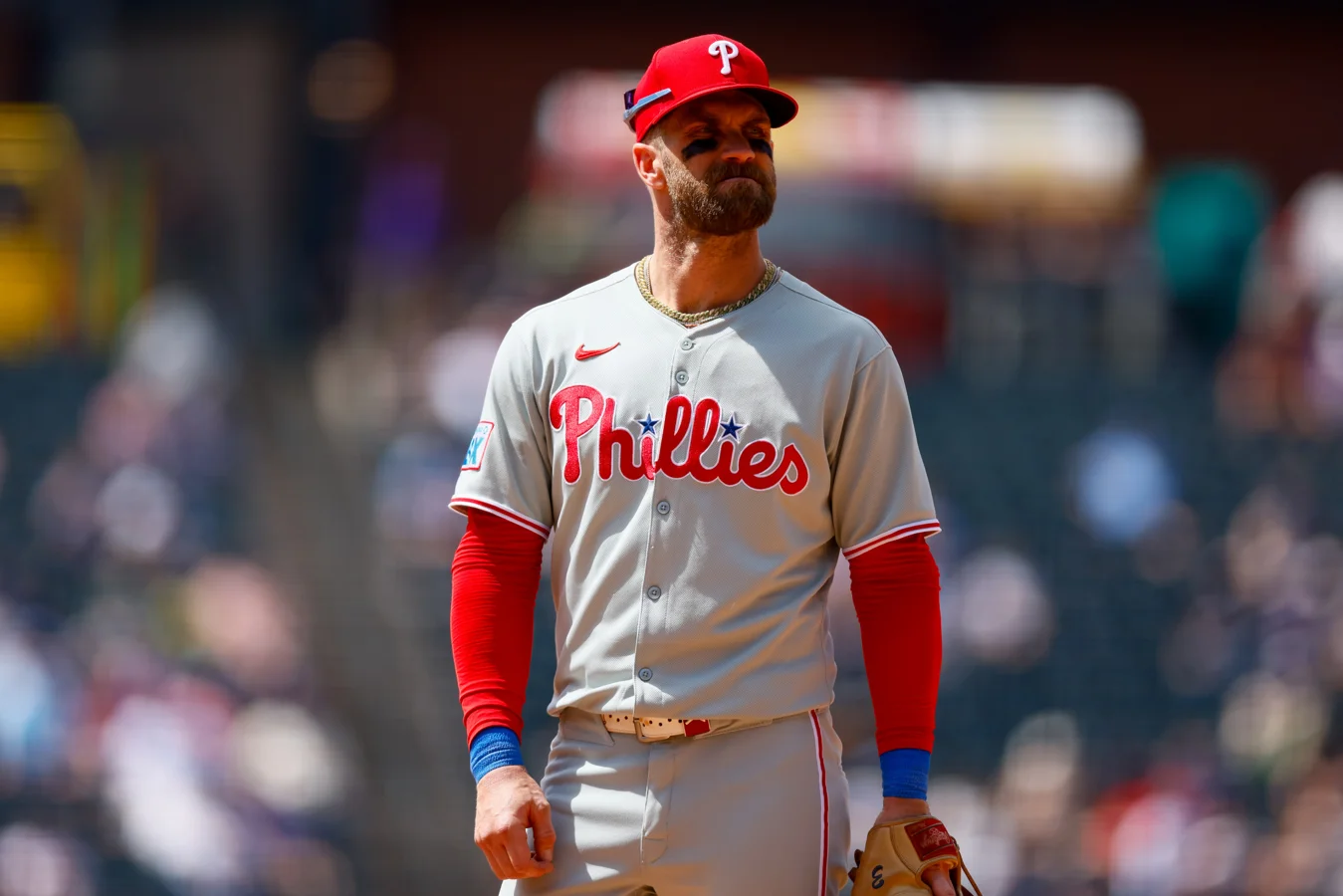
While the backstory explains some of Strider’s struggles, it does not diminish the reality that hitting Harper has disrupted the game and heightened tensions between the two teams.
The Broader Impact: Unwritten Baseball Codes and What May Come Next
The debate over whether retaliation is justified reflects an ongoing adherence to baseball’s old-school unwritten rules. Philadelphia’s team may feel compelled to respond to ensure fairness and to uphold respect, possibly targeting a Braves player such as Ronald Acuña Jr. as the season progresses. This incident and its aftermath underscore the persistent intensity, conflict, and strategic mindsets that shape player interactions and rivalries in Major League Baseball.