
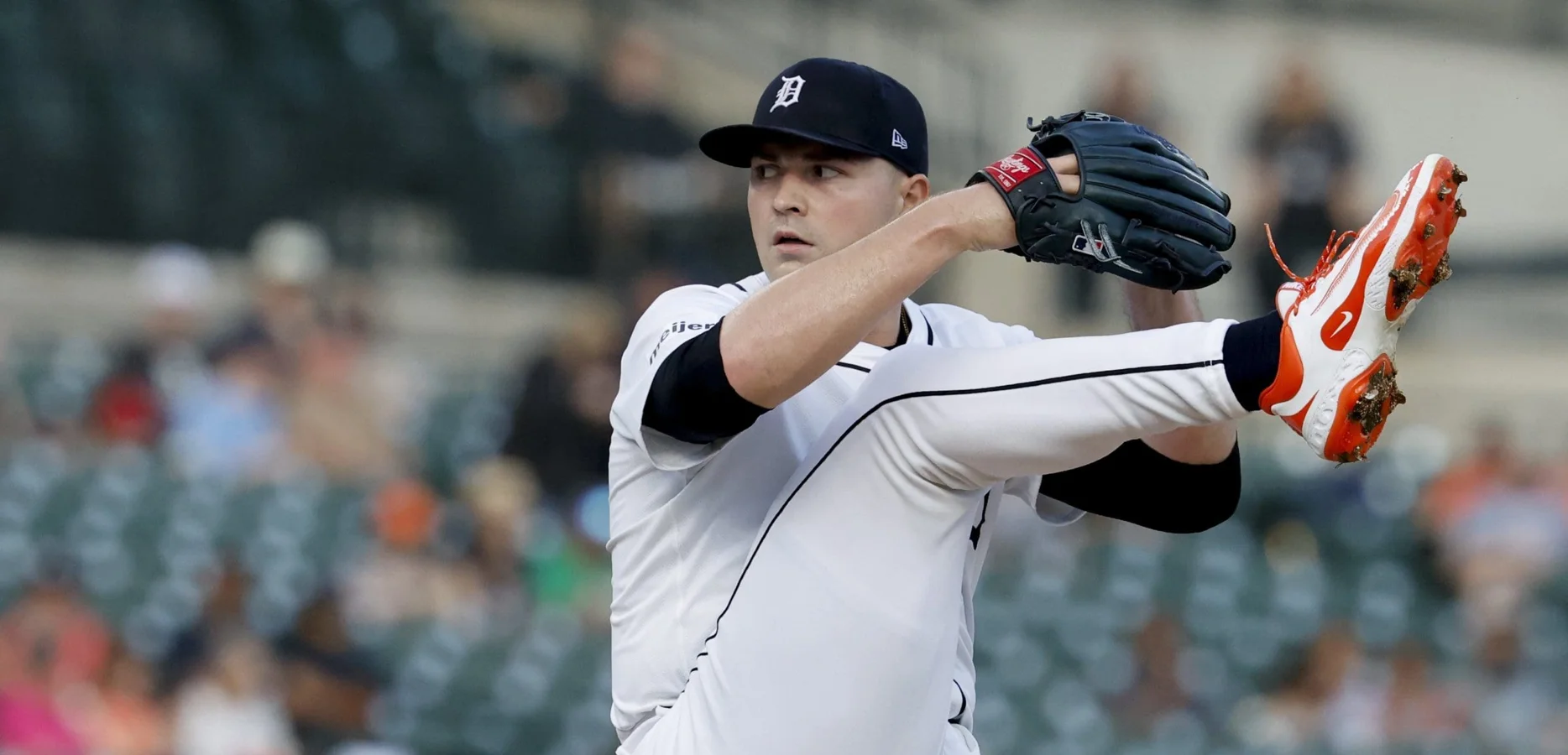

Justin Verlander’s health challenges have reignited debate within the baseball community as his brother Ben Verlander draws parallels between Justin and Detroit Tigers pitcher Tarik Skubal. This striking comparison emerges amid concerns about Verlander’s declining performance, raising questions about the career future of the veteran Astros ace and the potential of the left-handed Skubal.
The Houston Astros’ star pitcher, once known for his remarkable endurance and velocity, has recently shown signs of physical decline, marked by reduced pitch speed and arm fatigue. In contrast, Skubal, who has been impressing fans and analysts alike, is gaining recognition for his powerful pitching and dominance on the mound. These developments have fueled discourse centered on
“Justin Verlander health and Tarik Skubal comparison,”
highlighting the tensions between a legendary career nearing its twilight and the emergence of new talent.
Justin Verlander’s Career Status at a Critical Juncture
At 42 years old, Justin Verlander remains a formidable figure in Major League Baseball, with three Cy Young Awards, an MVP title, and expectations of future Hall of Fame induction. However, his current season suggests a player facing the physical limitations age can impose. On May 18, 2025, during a start against the Oakland Athletics, Verlander’s velocity was noticeably down, with his first pitch clocking in at just 90 mph.
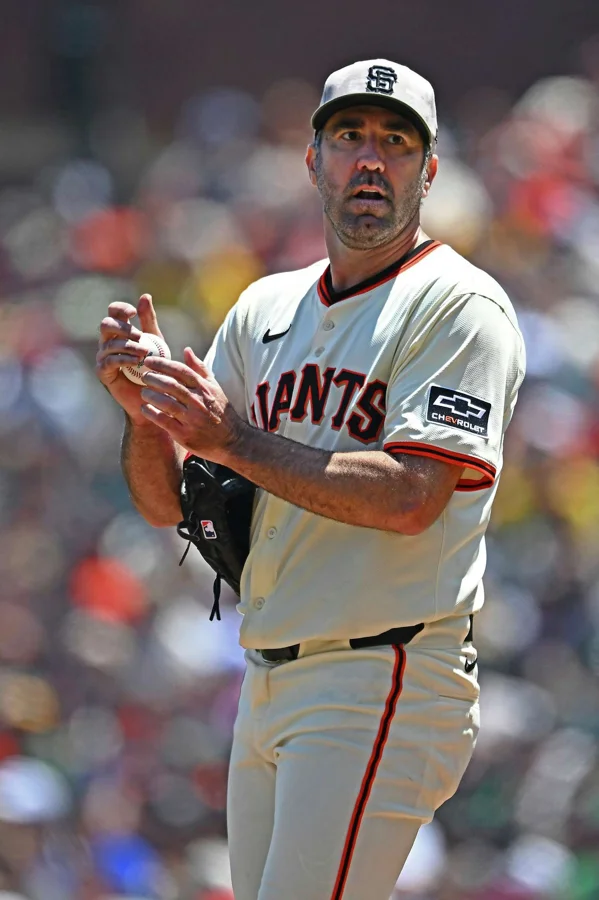
“I look up at the first pitch and it’s 90, 91. I’m like, ‘Oh, boy. Gonna be a tough day,”
Verlander candidly admitted, revealing a rare moment of vulnerability.
Following this performance, the San Francisco Giants, Verlander’s team, placed him on the 15-day injured list on May 22 due to nerve irritation in his right pectoral muscle. Concerns quickly arose among fans and analysts alike, given Verlander’s reputation as a cornerstone of pitching rotations. Giants manager Bob Melvin provided a cautiously optimistic update:
“He’ll end up missing two starts, and then I think everything will be good. He’s obviously not happy about it because he wants to make every start, but it was the prudent thing to do.”
Despite a start to the season that featured a 0-3 record and a 4.33 ERA over 52 innings, Verlander’s competitive spirit remains unshaken. His history of overcoming injuries and returning with impactful performances supports the belief that he is not finished competing at a high level. Still, the health issues highlight the precarious balance between maintaining his legacy and managing physical decline.
Ben Verlander’s Provocative Comparison With Tarik Skubal
Amid concerns about Justin’s health, his brother Ben Verlander spelled out a polarizing comparison that has drawn significant attention. On the baseball analysis show Flippin’ Bats, Ben framed a statistical side-by-side, likening Tarik Skubal’s recent surge to Justin’s standout 2011 MVP season, a campaign that forever altered the discourse around elite pitching.
Ben highlighted Skubal’s recent achievements:
“Since the start of last season, Tarik Skubal: 260 and two-thirds innings, 23-6, a 2.42 ERA, and 11.04 strikeouts per nine.”
To bolster the comparison, he referenced Verlander’s 2011 stats:
“Justin’s 2011 MVP year? 251 innings, 24-5, 2.40 ERA, and 9k per nine. So, very close innings-wise… and Skubal’s strikeouts per nine? Higher.”
This parallel drew a sharp reaction, not least because Verlander’s 2011 season is viewed as a historic benchmark in baseball pitching. While Skubal has surged with triple-digit fastballs and relentless strikeouts, he remains very early in his career compared to Verlander’s well-established Hall of Fame trajectory.
A Closer Look at Tarik Skubal’s Emergence
Tarik Skubal of the Detroit Tigers has emerged as a dominant left-hander, living up to his $10.15 million contract with performances that include sustained excellence on the mound. He joined an elite group by throwing pitches at or above 101.7 mph in the seventh inning or later, a feat only Verlander had previously accomplished nine times, underscoring his potential ceiling.
Skubal’s extraordinary strikeout rates and stamina have positioned him as a leading figure in the Tigers’ rotation and a promising future star. Yet, while his current trajectory sparks excitement, comparing him directly to Verlander’s peak without giving time for development might misrepresent both players’ contexts.
The Challenges of Comparing a Legend and a Rising Talent
Despite the appeal of pitting the young lefty against the veteran icon, such comparisons inevitably overlook critical nuances. Verlander’s 2011 MVP season is not just statistical excellence; it shaped how modern pitching dominance is measured, influencing generations that followed. Ben Verlander himself acknowledged the premature nature of this comparison, cautioning,
“We’re not going to have a comparison of Justin Verlander versus Tarik Skubal yet,”
and adding,
“maybe a couple of years down the road…”
For Justin, managing his health and preserving his status amid mounting physical strain is paramount. For Skubal, there is time to refine his game, grow into his potential, and eventually contend with the standards set by pitchers like Verlander. The baseball community watches keenly as these storylines unfold on intersecting paths shaped by talent, endurance, and the inevitable march of time.
The Broader Implications of This Debate
This ongoing conversation reflects larger themes in sports about aging athletes, the rise of new stars, and how legacy is defined amid changing circumstances. Verlander’s current health concerns emphasize the fragility of even the most legendary arms, reminding fans and professionals alike that peak performance is temporary.
Meanwhile, Skubal’s ascent represents a new chapter, offering hope and a fresh benchmark for excellence. The debate sparked by Ben Verlander’s remarks accentuates the tension between honoring the past and embracing the future within baseball’s evolving landscape.
Ultimately, the hope remains that Verlander can recover fully and continue to contribute meaningfully, while Skubal matures into the exceptional pitcher his early numbers suggest. Until then, the baseball world must grapple with what it means to compare greatness at different stages and respect the individual journeys of its stars.