
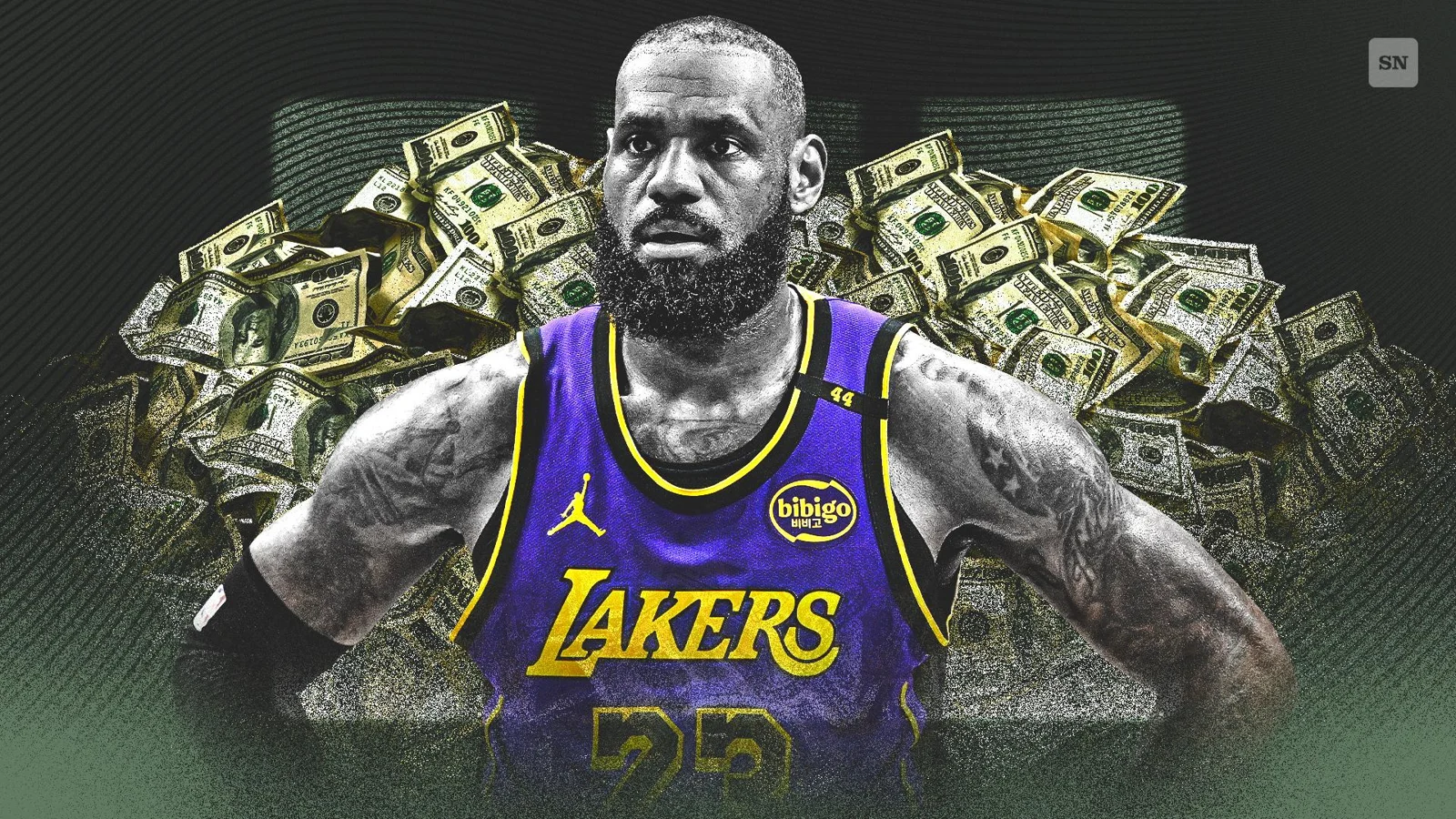

LeBron James stands at a crucial crossroads regarding his contract with the Los Angeles Lakers for the 2024 season. As the deadline of June 29 approaches, he must decide whether to exercise his $52.6 million player option or explore alternative paths. This decision is pivotal not only for James’s career but also for the Lakers’ offseason strategy, with his options shaping the future of the franchise and the dynamics of the NBA’s free-agent market.
James, who has amassed more earnings through basketball than anyone ever before, reportedly will surpass $581 million in career earnings if he picks up this player option, according to Spotrac. Factoring in his extensive off-court ventures, he has been a billionaire for several years. Still, despite this financial security, his choice about the Lakers contract options for 2024 remains open, creating tension and uncertainty around the postseason and future roster moves.
Examining the potential contract paths for LeBron James
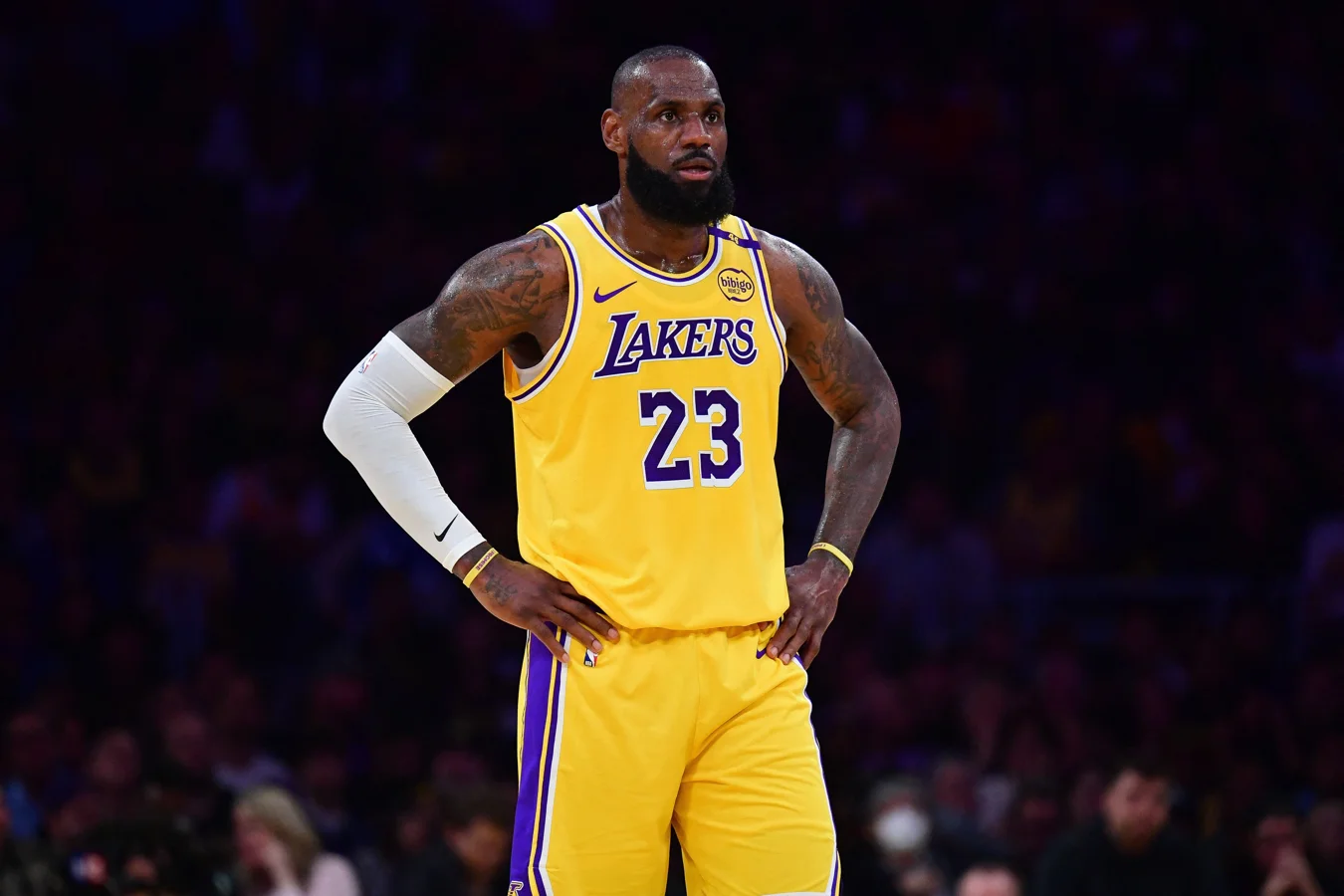
Reports indicate that James’s most probable action is to opt in to his $52.6 million player option. This figure is just under his maximum salary, and would keep him bound to the Lakers under favorable terms, including a no-trade clause he secured last summer. Opting in means he will be an unrestricted free agent once again next summer, at the age of 41. However, beyond this likely scenario, three other alternatives exist:
- He could opt out and negotiate for his full maximum salary.
- He could opt out and sign with a different team.
- He could opt out and re-sign with the Lakers on terms more advantageous for the team.
Each option carries its own set of implications for James and the Lakers, interweaving financial, competitive, and personal considerations.
Understanding how LeBron could earn beyond $52.6 million
Though James’s player option stands at $52.6 million, the reality is that his true maximum salary is slightly above that—projected near $54.1 million based on the NBA salary cap estimates of $154.6 million. Last season, James accepted a pay cut to help the Lakers stay beneath the second tax apron, setting aside about $1.5 million in salary that could have gone to him.
This modest financial concession is steeped in history: in 2010, when James signed with Miami, he deliberately took below the max to allow for roster improvements. Since then, especially after returning to Cleveland in 2014, he has prioritized accepting full max deals to set a standard among players. His decision last year to accept less was an exception, not the rule.
Should he request the full maximum from the Lakers now, it is unlikely they would resist. His sustained excellence—recently earning a spot on the Second Team All-NBA—makes him worth the maximum salary still. Teams are reluctant to challenge a player of his caliber over such a narrow difference, given his exceptional court value and far-reaching influence.
How realistic is the possibility of LeBron leaving Los Angeles?
Legally, James can depart the Lakers in free agency, but the odds of him leaving at this juncture are slim. Having firmly established roots in Los Angeles, James also values loyalty, wary of cementing a reputation as a serial mover. More importantly, no current team offers a financially or competitively viable alternative.
The Brooklyn Nets stand alone with significant cap space and proper roster flexibility among NBA teams, but even that area is complicated. Though James once named New York as his favorite city, his preference for the Lakers over the Clippers and his image-conscious nature make a move to Brooklyn unlikely. The Knicks, New York’s marquee franchise, lack the cap room and roster composition to absorb James’s max-level salary.
Sign-and-trade scenarios, often considered a fallback to enable movement, face significant logistical and salary cap challenges, especially for teams like New York and Cleveland, where James might have emotional ties. The Knicks already exceed the salary apron with a small squad, complicating any move. Cleveland, although a sentimental destination, is over the salary apron and would struggle to accommodate James without extreme salary sacrifices and loss of roster depth.
Any return to Cleveland presently would likely require James to accept a minimum salary deal, a concession unlikely at this stage of his career. Meanwhile, assembling the necessary trade assets to facilitate his move there would severely handicap the Cavaliers’ salary flexibility.
Weighing the possibility of a pay cut by LeBron James for the Lakers
James previously demonstrated a willingness to take a significant pay cut, reportedly around $15 million, to provide the Lakers financial flexibility to pursue other star players last season. This sacrifice ultimately did not come to fruition as the Lakers were unsuccessful in acquiring key players like Klay Thompson. Consequently, James accepted nearly his full max salary.
Currently, the prevailing expectation is that James will not repeat such a financial concession. However, with over a month left before free agency begins, nothing is set in stone. Context matters—last year, the discussions about pay cuts gained momentum only after the Lakers drafted Bronny James, LeBron’s son, hinting at a possible implicit trade-off based on roster progress.
Financial implications are critical this offseason. The Lakers, after a tough playoff loss, face a roster too distant from championship caliber to rely on max salaries alone. The difference between their full non-taxpayer mid-level exception—around $14.1 million—and the reduced taxpayer mid-level exception of $5.9 million could spell the difference between acquiring impactful players and falling short of contention.
Balancing LeBron’s championship timeline against the Lakers’ long-term goals
LeBron’s window to secure a fifth NBA title is limited and urgent, while the Lakers, anchored by the young star Luka Dončić, can adopt a more measured approach over the coming years. This divergence creates potential tension: the Lakers may hesitate to sacrifice future assets and salary cap flexibility to chase an immediate title if James is unwilling to sacrifice salary to aid this pursuit.
The Lakers hold critical assets like a tradable first-round pick in 2031 that could be leveraged for a key veteran addition, potentially crucial for a championship push alongside James and Dončić. However, trading this pick now would reduce future flexibility once James inevitably retires, impacting the team‘s ability to build around Dončić in the longer term.
With significant cap space projected for 2026, the Lakers are weighing whether to prioritize immediate success with James or preserve their flexibility for future free agents. This decision is complicated by external factors such as Jaren Jackson Jr.’s potential availability in 2026 and the Lakers’ interest in preserving cap space to pursue such talent.
The give-and-take between LeBron James and the Lakers management this offseason
This offseason might require mutual concessions. If James expects the Lakers to win now, they could ask him to accept a pay cut to provide the team greater financial tools. Conversely, if the Lakers prioritize Dončić’s future and cap flexibility, they might be less inclined to stretch resources solely to accommodate James’s immediate championship ambitions.
Moreover, if the Lakers envision building around Dončić for the long term, they may need to renounce James’s cap hold in 2026 to create room for major signings, a scenario that could signal an end to James’s tenure with the team unless he significantly restructures his contract.
Choosing to opt out this summer could offer James more control, allowing negotiations for a pay cut while securing a player option for the following year to retain flexibility in his career decisions. With his past success in negotiating protections like a no-trade clause, James remains well positioned to assert influence over his future.
Decision time: The uncertain future of LeBron James and the Lakers in 2024
The Lakers and LeBron James face a complex and delicate negotiation in the coming weeks, with competing goals and timelines adding to the already intense atmosphere. James’s choice regarding his $52.6 million player option will have significant ramifications for the team’s roster construction, financial flexibility, and championship hopes.
This decision also serves as a broader indicator of James’s intentions—whether he opts for stability and a lucrative option year, pursues a new contract structure, or contemplates a surprising departure from the Lakers. As the calendar ticks down to June 29, all eyes in the NBA remain fixed on how one of basketball’s greatest figures will shape the next chapter of his career and the landscape of Los Angeles basketball.