
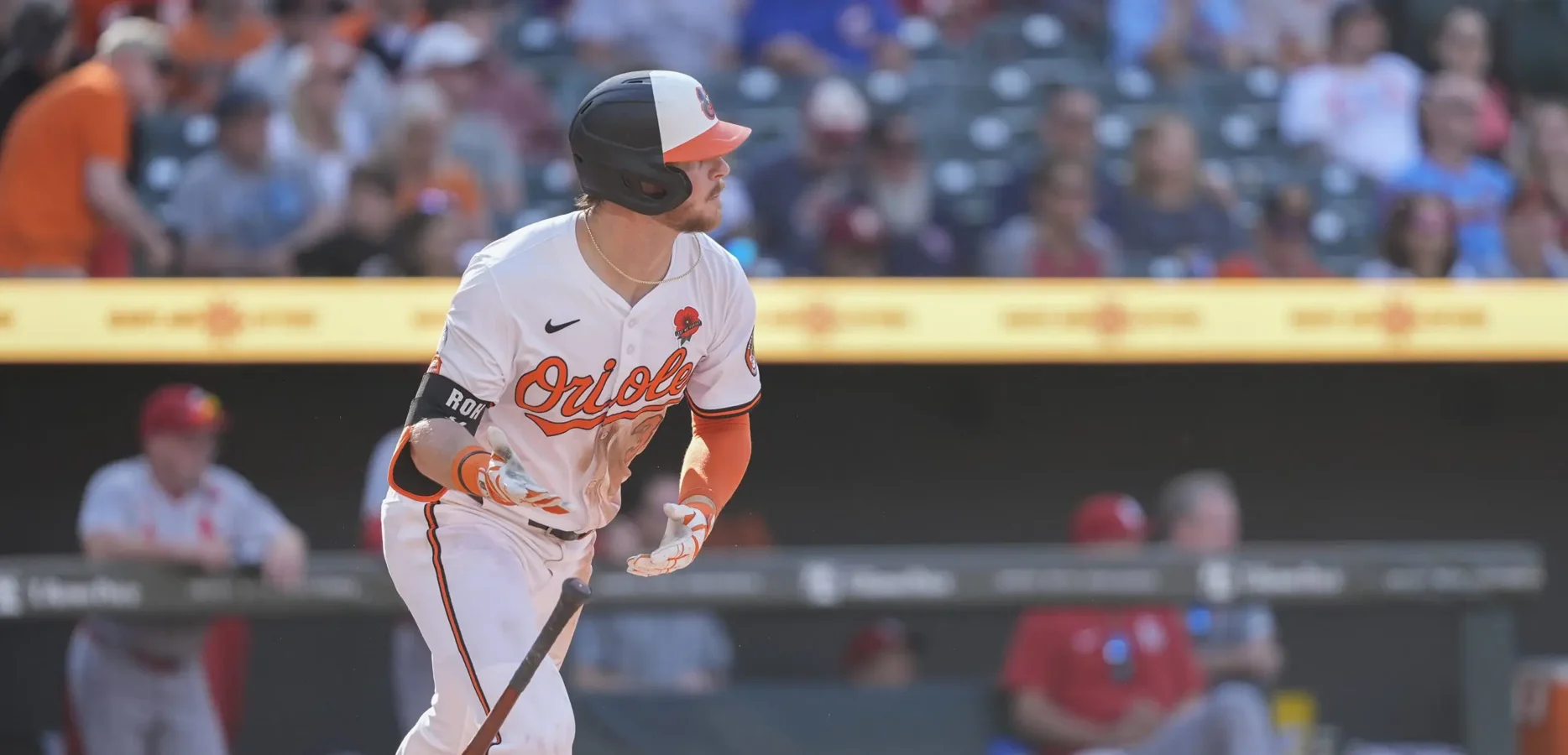

Following a 7-2 defeat to the Cincinnati Reds on Tuesday, the Kansas City Royals currently sit fourth in the American League Central division. With a 29-27 record, they remain strong contenders for a Wild Card berth and a second consecutive postseason appearance. However, their average of 3.36 runs per game highlights the urgent need for more offensive power as the trade deadline approaches in July. The Royals will face various options, as non-contending teams are expected to offer key hitters, while teams requiring pitching reinforcements might also be active players in the market. Among potential names, Ryan O’Hearn stands out, but the Royals must carefully consider the implications of pursuing him given their current roster and future plans.
Despite O’Hearn’s impressive performance this season—with a .340/.428/.558 slash line and particularly superb batting in May batting .383—the former Royal’s past struggles in Kansas City and the complexities around roster placement and acquisition cost suggest the team should weigh its options cautiously before engaging in what could be an expensive midseason bid.
Ryan O’Hearn’s Career Revival After Leaving Kansas City
Ryan O’Hearn showed promise as a rookie in 2018, posting a .262/.353/.597 line, but his time in Kansas City was marked by inconsistency. Although he hit a career-high 14 home runs in 2019, his batting averages were a disappointing .195 in both 2019 and 2020, culminating in a five-season batting average of just .219 before the Royals traded him to Baltimore for cash considerations ahead of spring training in 2023.
That trade proved pivotal for O’Hearn’s career, as he experienced a resurgence in Baltimore. Whether it was due to a change in environment or technical adjustments, O’Hearn has flourished, hitting 29 home runs over his first two seasons with the Orioles, including a personal best of 15 homers last year, and carrying a .275 average during that stretch.
This season, O’Hearn has surpassed his previous success. Following a three-hit Memorial Day game against St. Louis—his third multi-hit effort in five games—and nine home runs on pace for a new personal record, he solidified his position among the American League’s top hitters. After a 1-for-3 game with one home run and three RBIs in Baltimore’s loss to the Cardinals, O’Hearn ranked fourth in batting average in the AL at .340, with a .428 on-base percentage and a .986 OPS, both second in the league, while his slugging percentage of .558 ranked third.
Despite these impressive numbers, two key concerns could dissuade Kansas City from aggressively pursuing O’Hearn.
Challenges in Integrating Ryan O’Hearn into the Royals’ Lineup
Primarily a first baseman and designated hitter, O’Hearn has limited experience playing the outfield corners. The Royals have established players in these positions, and O’Hearn’s career defensive metrics present concerns: a Defensive Runs Saved (DRS) figure of -7 in the outfield and unimpressive Outs Above Average (OAA) ratings indicate defensive liabilities. He has never played center field at the major league level, and he would not replace Vinnie Pasquantino at first base, where the Royals have long-term plans.
The Royals also have a top prospect, Jac Caglianone, looming on the horizon. Caglianone recently excelled in Triple-A and has been receiving increased outfield playing time, suggesting he could fill a corner outfield spot by the trade deadline. This presence reduces the need for a player like O’Hearn with defensive challenges and limits flexibility within the roster.
Utilizing O’Hearn mostly as a designated hitter remains an option under manager Matt Quatraro, but it could restrict playing time for catcher Salvador Perez, who also often serves as DH, as well as limit opportunities for Pasquantino and utility players like Jonathan India. Constantly shifting O’Hearn around defensively to keep his bat in the lineup daily may not be viable long-term given these positional conflicts.
The High Cost of Acquiring Ryan O’Hearn
When the Royals traded O’Hearn to Baltimore before 2023, his value was modest, and Kansas City did not receive a significant return. By contrast, O’Hearn’s value has soared this season due to his offensive surge, positioning the Orioles to command a substantial return if they decide to trade him at the deadline. The cost will likely include multiple top prospects, an expensive price for the Royals, especially considering their current roster development trajectory.
Sacrificing young talent close to major league readiness should only be considered if the Royals genuinely believe they can contend for the 2025 World Series title. Otherwise, acquiring O’Hearn primarily as a rental player—given his expiring contract and probable pursuit of free agency this winter—may not justify the price, particularly as the team might benefit more by waiting for a more favorable opportunity.
Whether the Royals decide to pursue Ryan O’Hearn aggressively remains uncertain. His offensive production could be valuable, but the blend of defensive constraints, limited positional fit, and steep acquisition cost creates significant hesitation. The organization faces a critical decision balancing immediate offensive gains against long-term roster health and prospects development.