
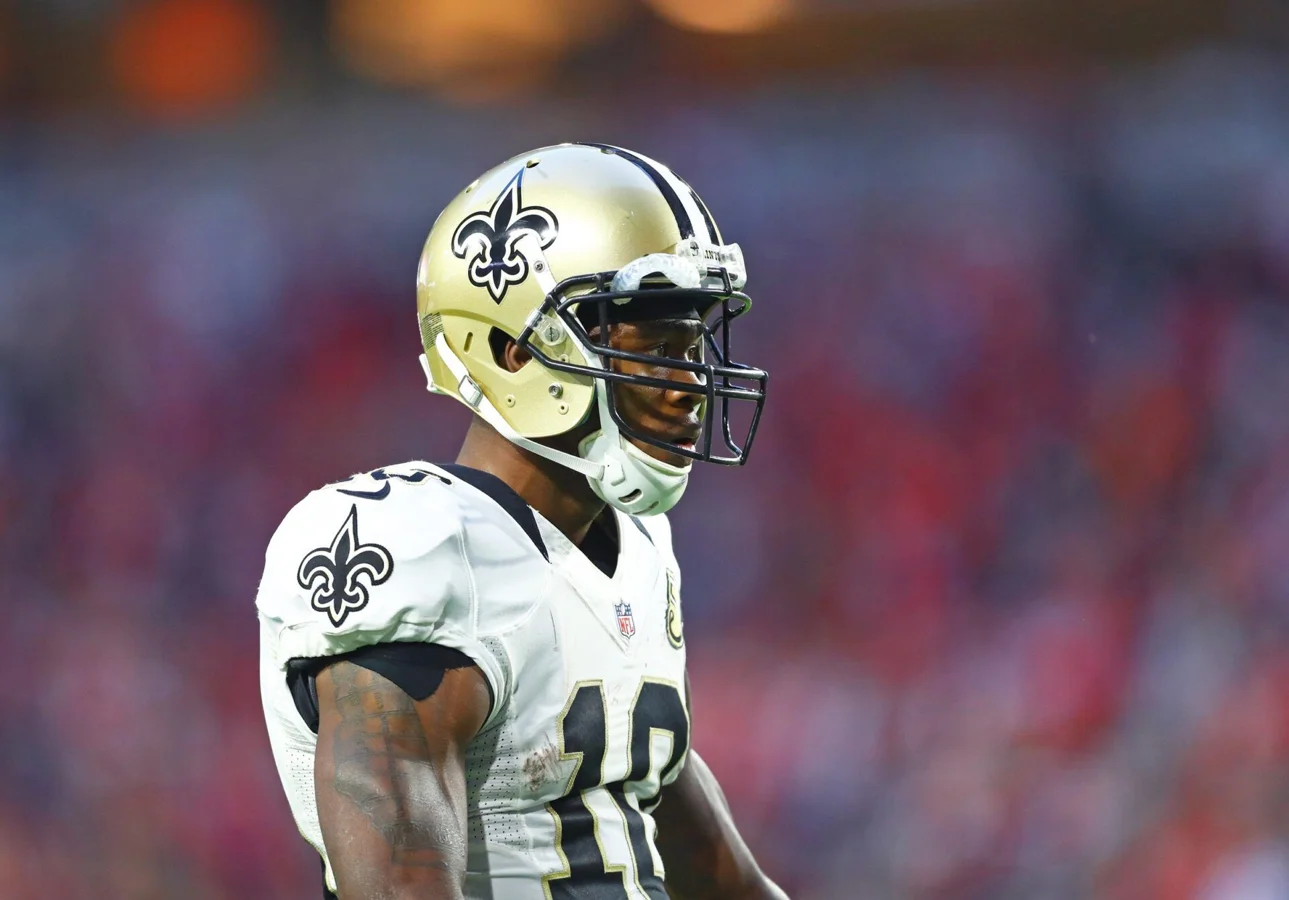

As the Los Angeles Rams approach the 2025 season, expectations place them firmly among the NFL’s elite contenders. With a clearly defined Super Bowl window and quarterback Matthew Stafford leading the offense, general manager Les Snead is poised to make strategic moves, possibly reminiscent of previous bold decisions involving key wide receivers like Brandin Cooks. The Brandin Cooks impact on Los Angeles Rams trade discussions remains relevant when looking back at the team’s aggressive roster management since 2012.
Evaluating the Rams’ 2018 Trade for Brandin Cooks
Les Snead has built a reputation for bold trades, particularly during the era known as the “F Them Picks” philosophy, where the Rams prioritized proven talent over draft capital. Brandin Cooks became a significant figure of this approach when the Rams acquired him in 2018, a deal made more than five years ago that still resonates with fans and analysts. After multiple team changes, including stints with the New Orleans Saints and New England Patriots, Cooks landed with the Rams as part of a move designed to fit head coach Sean McVay’s dynamic offense.
McVay’s offense relies heavily on “11 personnel,” having three wide receivers on the field to stretch defenses across the formation. With Robert Woods and Cooper Kupp excelling in slot roles, the Rams needed an outside threat who could consistently stretch the field vertically. Brandin Cooks matched this requirement better than previous options, especially considering Sammy Watkins’ underwhelming 2017 season where he totaled only 593 receiving yards.
The Specifics Behind the 2018 Cooks Trade
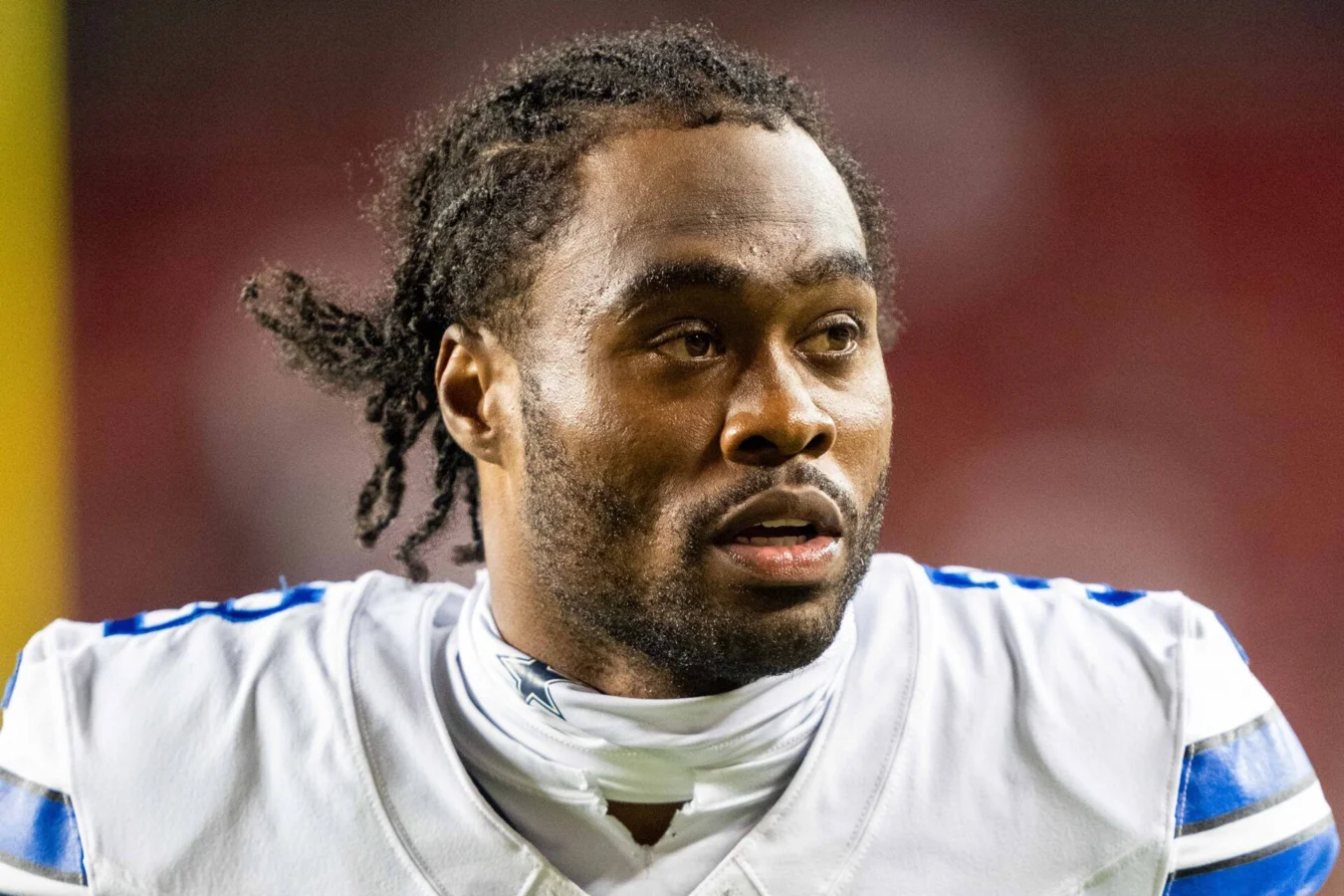
The trade details involved the Rams receiving Brandin Cooks along with a fourth-round pick in the 2018 NFL Draft, while the Patriots acquired a first-round pick and a sixth-round pick in the same draft. The motivation for the Patriots to move Cooks stemmed from concerns about his health and contract status following a severe hit in Super Bowl LII by safety Malcolm Jenkins, which forced Cooks out of the game. Uncertainty around his recovery affected his value, prompting New England to seek draft capital instead.
The Rams, committed to surrounding their young quarterback Jared Goff with established weapons, accepted the risk despite giving up a valuable first-round pick. Cooks was a polished route runner with proven production, traits that fit McVay’s system and complemented Woods and Kupp perfectly. The organization quickly locked Cooks into a five-year, $81 million extension, signaling confidence in his ability to contribute immediately.
Brandin Cooks’ Performance and Influence in Los Angeles
In his first season with the Rams, Cooks delivered career-high numbers, recording 80 receptions for 1,204 yards. He emerged as a key target throughout the regular season and postseason. Notably, during the 2018 NFC Championship game against the Saints, Cooks led the team in receiving yards. He also was the top receiver for the Rams in Super Bowl LIII, playing a pivotal role in the offense despite the team’s loss.
This should’ve been an easy Goff-Cooks TD. When Cooks is open on the left hash, Jason McCourty is outside the right numbers. This pass breakup is unreal. Belichick said after the game: “Oh my god. McCourty came out of nowhere to make that play.” —Ari Meirov, Sports Analyst
Unfortunately, Cooks’ time with the Rams was hampered by concussions during the 2019 season, which limited his production to just 583 yards. After that season, the Rams traded him to the Houston Texans and utilized the picks acquired in return to draft wide receiver Van Jefferson.
Outcome of Draft Picks from the Cooks Trade
The Patriots used the first-round pick received from Los Angeles to select Isaiah Wynn, an offensive lineman. Wynn spent five years in New England but struggled with injuries before signing with the Miami Dolphins in 2023. The Patriots’ other picks from the trade included cornerback Keion Crossen, tight end Ryan Izzo, and defensive tackle Byron Cowart, who all had more modest impacts.
On the Rams’ side, the fourth-round pick acquired alongside Cooks was eventually traded down, allowing them to draft linebacker Micah Kiser, edge rusher Trevon Young, and linebacker Travin Howard. Howard gained recognition for a critical interception that helped secure the Rams’ victory in the 2021 NFC Championship Game against the San Francisco 49ers.
Assessing Which Team Benefited Most from the Trade
Determining a clear winner from this trade remains difficult. Neither franchise achieved unequivocal gains; Isaiah Wynn did not become a standout player for the Patriots, while Brandin Cooks only delivered one highly productive season in Los Angeles before injuries and further trades intervened. This has led to reflections on whether the Rams managed the contract extension wisely, as they committed to Cooks before he even took the field for the team.
The Rams’ experience suggests a lesson in balancing risk—especially regarding player health—and contract commitments. The Patriots’ decision to move on from Cooks highlighted concerns rooted in his injury history, including the devastating concussion he suffered during the Super Bowl. These health issues ultimately influenced the Rams’ decision to trade him away after a subpar 2019 season.
The Rams’ Recent Wide Receiver Strategy Post-Cooks
Since the Cooks trade, the Rams have refrained from acquiring a wide receiver of similar caliber through trades. Instead, they have pursued veteran free agents such as Allen Robinson and, more recently, Davante Adams. Both signings reflect the Rams’ ongoing priority to maintain a strong receiving corps that can immediately impact Matthew Stafford’s offense, much like Cooks did during his first season.
As the Rams aim to capitalize on their current Super Bowl window, the Brandin Cooks impact on Los Angeles Rams trade decisions stands as a case study in risk, reward, and roster construction. Whether Les Snead would pursue a similar trade again remains uncertain, but the lessons from 2018 will surely influence future strategic choices.