
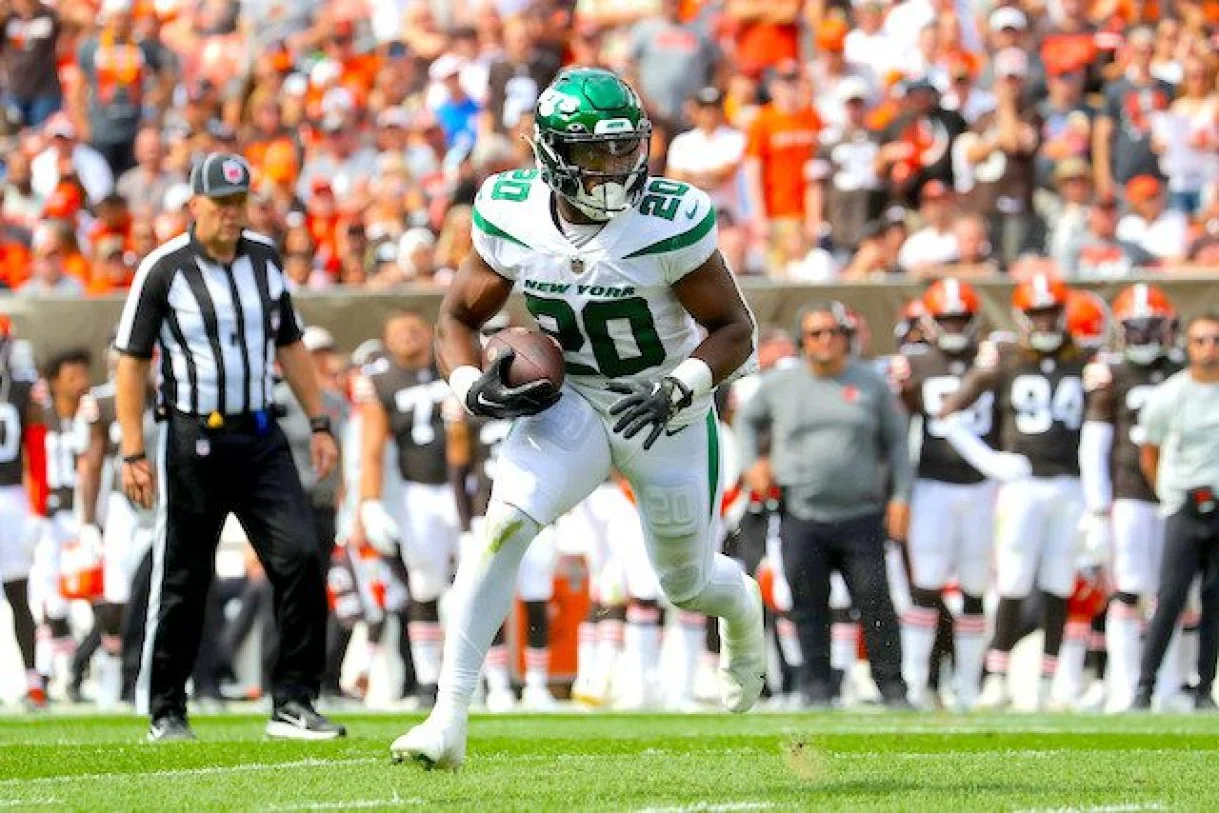

As fantasy football drafts approach, the stakes have never been higher, especially with talent like Breece Hall commanding early-round interest. The 2025 fantasy football bust warning surrounding Hall and several Raiders players is critical for drafters aiming to avoid costly mistakes in their lineups. Evaluating average draft positions (ADP) alongside player performance and team dynamics helps identify which athletes are likely to underperform relative to their draft cost.
Overvalued Quarterbacks in Early Rounds
While it’s generally wise to avoid quarterbacks in the first round of one-QB leagues, the trend of selecting players like Josh Allen and Lamar Jackson in the second round is questionable. Early ADP numbers reveal that top-tier quarterbacks—Josh Allen (ADP 20.5), Lamar Jackson (22.0), Jayden Daniels (28.0), Joe Burrow (33.0), and Jalen Hurts (37.5)—are being taken earlier than necessary. Even Patrick Mahomes at 55.0 ADP seems to break the pack as an exception.
Baker Mayfield and Bo Nix, with ADPs of 57.0 and 69.5 respectively, stand out as clear overreaches. Despite Mayfield and Nix averaging around 22 fantasy points per game, their early selection is hard to justify when options exist in later rounds that offer similar production. The depth at quarterback positions means that waiting can yield tremendous value, allowing fantasy managers to take two quality quarterbacks later rather than reaching for one too soon.
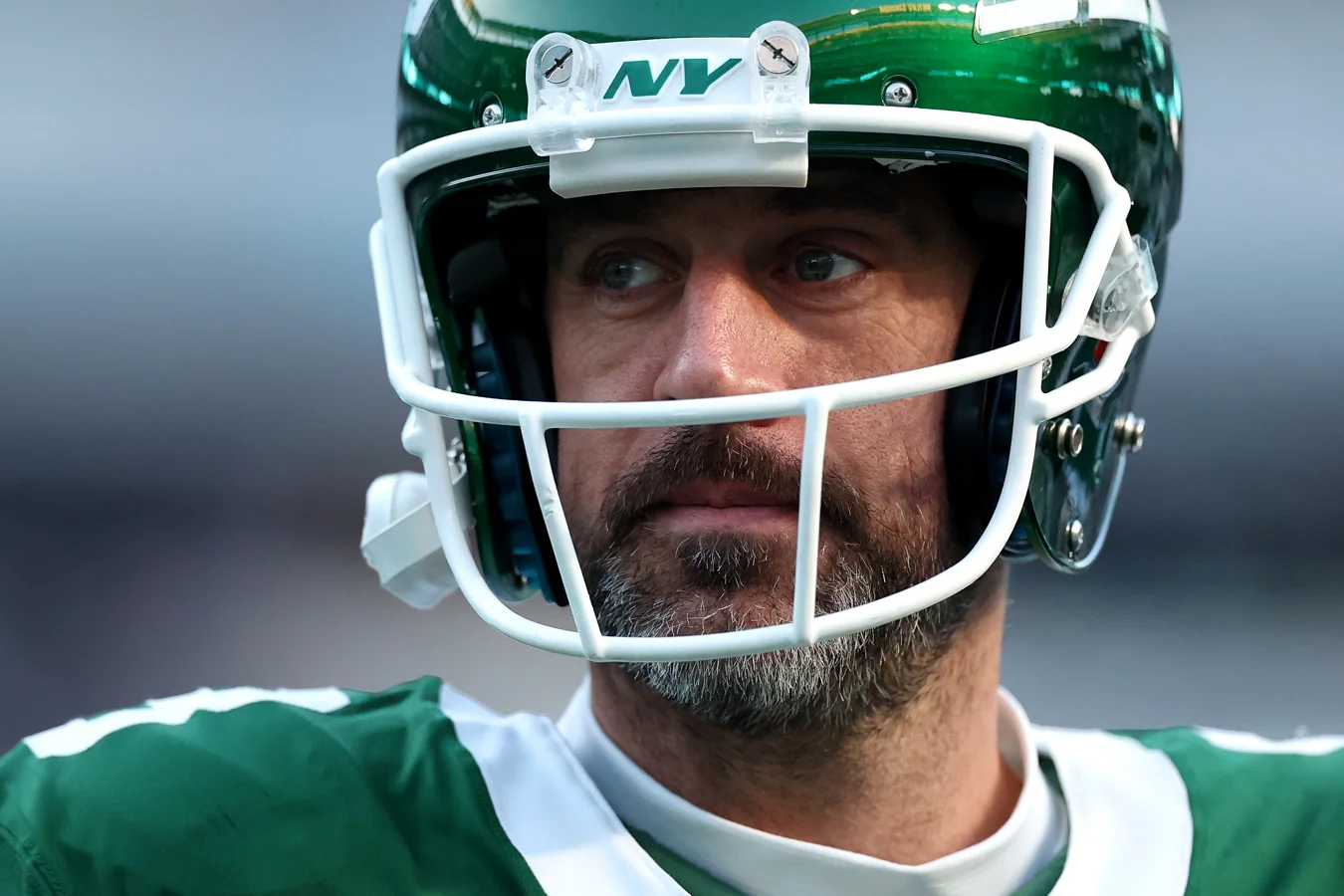
For the first five or six quarterbacks on this list, their statistical upside might justify earlier picks, but only if they are drafted at a value price. If a manager cannot land one of these passers at a bargain, waiting until the later rounds to select a quarterback often proves more advantageous.
Concerns About Raiders’ Key Offensive Players
Two prominent Raiders players—Bowers and Jeanty—are drawing high ADPs, yet expectations may be inflated given the team‘s offensive setup. Bowers averaged 8.7 targets per game last season in a Raiders offense that heavily favored passing, ranking third-highest in pass attempts (64.3%) but second-lowest in running back rushes per game (18.2). The running backs also struggled to produce effective rushing yards, averaging only 3.6 yards per carry, near the bottom of the league.
With the arrival of Jeanty and new offensive coordinator Chip Kelly, the Raiders’ offensive philosophy is expected to shift toward being more run-focused. This change could reduce Bowers’ target volume significantly. Although Geno Smith’s presence at quarterback might improve Bowers’ efficiency, the total opportunities likely won’t sustain his current high draft position. Coupled with competition for targets among receiving options, Bowers is unlikely to justify a top-25 selection.
Jeanty, meanwhile, enters the league with lofty expectations as a first-round pick and a talented rookie rusher in a newly reshaped offense. However, first-round running backs typically must reach benchmarks such as 1,500 total yards and 12 touchdowns to validate their draft cost. While Jeanty may approach those numbers, drafting him as a top-10 PPR player is risky given the uncertainties inherent in his rookie season.
It is reasonable to consider Jeanty a top-15 PPR choice, while Bowers is more appropriate nearer to the top 30. Labeling them as busts is relative to their ADPs, but both possess upside that could surprise. For instance, Bowers’ touchdown total from BetMGM’s line (4.5 touchdowns) might be a reasonable floor to bet over, unlike higher totals, suggesting caution before proceeding with early selections.
Players to Avoid Based Primarily on ADP
The following players all possess upside but stand out as potential busts in 2025 due to their current draft positions exceeding reasonable expectations relative to their projected production:
Breece Hall (ADP 30.5, 15.1 PPR points/game in 2024): Playing behind quarterback Justin Fields introduces challenges. Fields’ running ability is notable, but his passing inconsistencies and defensive adjustments to stop the Jets’ run scheme could limit Hall’s opportunities. Historically, running backs paired with Fields have rarely surpassed strong fantasy performances consistently. Hall will likely share backfield touches and could see valuable opportunities reduced by Fields’ own usage. His value is better realized as a late Round 3 or early Round 4 pick.
Terry McLaurin (ADP 33.0, 15.8 PPR points/game): McLaurin’s 2024 touchdown total (13) was a significant outlier, driven by 16 end-zone targets. Nearly 30% of his points came from touchdowns, which is unsustainable long term. The addition of Deebo Samuel and defensive game-plans adapting to McLaurin and Jayden Daniels likely reduce scoring chances in 2025. Adjusting McLaurin’s production by removing several touchdowns yields a more realistic 14.0 PPR points per game, suggesting drafting him in the late Round 4 or early Round 5 is more prudent.
A.J. Brown (ADP 54.5, 15.3 PPR points/game): Brown’s fantasy value depends heavily on the health and availability of his teammates A.J. Brown and Dallas Goedert in Philadelphia. When either is sidelined, Brown averaged a high 17.3 PPR points, but when all were healthy, his output dropped to nearly half at 8.6 points per game. This volatility makes Brown a risky pick at his current ADP. Waiting until Round 6 to select him offers a safer draft strategy.
Rashod Bateman (ADP 59.0, 12.3 PPR points/game): Bateman’s production has plateaued, never exceeding 12.9 PPR points per game in his NFL career. His average of roughly 6.8 targets per game and moderate red-zone usage curtail his ceiling. The Ravens’ limited deployment of Bateman as a primary option further compounds these issues. He remains a solid No. 3 receiver but is unlikely to justify a Round 5 pick; late Round 6 or early Round 7 is more fitting.
Jordan Addison (ADP 60.5, no 2024 stats): Drafting Addison early requires him to assume high volume and demonstrate exceptional efficiency alongside rookie quarterback Bryce Young. Target distribution in Young’s first games showed no single receiver dominating, with no averages higher than seven targets per game. Addison’s skill set is promising, but the adjustment period means his current ADP is a stretch. Round 7 selection better reflects his risk profile.
D’Andre Swift (ADP 71.0, 12.6 PPR points/game): Swift has failed to deliver consistently over multiple seasons. His expected role in Chicago involves sharing carries with other running backs, limiting his touches and opportunities. Despite flashes of explosive play, consistency remains elusive, and his fantasy value is capped. Round 8 consideration better matches his realistic output.
Khalil Herbert (ADP 74.5, 10.7 PPR points/game; 13.1 from Week 5 in 2024): Herbert’s rookie season showed promise, but the Giants have added Cam Skattebo, a younger and more versatile back expected to compete for lead duties. Given Herbert’s ball security concerns and the presence of the more reliable Skattebo, Herbert’s role and production may shrink. Drafting him in Round 8 acknowledges the likely shared opportunities.
T.J. Hockenson (ADP 79.0, 8.7 PPR points/game): Returning from a torn ACL, Hockenson’s role as a major offensive target for Minnesota appears diminished. The emergence of Jordan Addison as a red-zone option and the continued offensive prominence of Justin Jefferson will cut into his target share. New quarterback J.J. McCarthy’s unproven ability to distribute targets evenly further threatens Hockenson’s ceiling. Late Round 8 or later drafts are recommended.
What These Bust Warnings Mean for Your 2025 Fantasy Draft
Recognizing these players as potential busts relative to their ADP is crucial for building a winning fantasy roster. Drafting Breece Hall or the Raiders players at their current prices involves considerable risk, as does selecting quarterbacks like Baker Mayfield too early. The evolving offensive situations, injury histories, and offensive schemes all point toward the value of patience and strategic waiting in drafts.
Ultimately, avoiding early overreach on these players allows for greater flexibility and better opportunity to secure undervalued athletes who deliver dependable fantasy production. Managers focused on maximizing return should consider alternative targets, especially in the middle and later rounds, where many quality contributors are available at discounted ADP.