

The Los Angeles Dodgers have faced unexpected difficulties with Tanner Scott during his first season on the roster. Signed as a left-handed closer to strengthen their bullpen, Scott has underperformed in critical moments, causing concern among fans as the season reaches its midpoint. Despite a troubling 12.15 ERA in his last seven outings and five blown saves, there are reasons to believe his overall effectiveness may not be as poor as these numbers suggest in the context of Tanner Scott MLB performance analysis and outlook.
Late-Game Struggles Undermine Scott’s Appearances
Scott’s recent outing against the Cleveland Guardians exemplified his ongoing struggles. Holding a 4-1 lead entering the eighth inning, the Dodgers seemed in control until Scott’s involvement triggered a turnaround. A ground ball through the left side, combined with a costly error from outfielder Andy Pages, allowed two runs to score after Scott loaded the bases with no outs. The situation worsened when reliever Alex Vesia, tasked with two runners Scott left on base, surrendered a three-run homer that sealed the Dodgers’ defeat.
Fans have been quick to single out Scott for the loss, which is understandable given his $72 million contract and the expectations that come with it. Multiple late collapses have increased scrutiny, but insiders suggest this criticism may overlook strong indicators hidden beneath his rough numbers.
Advanced Metrics Reveal Scott’s Underlying Effectiveness
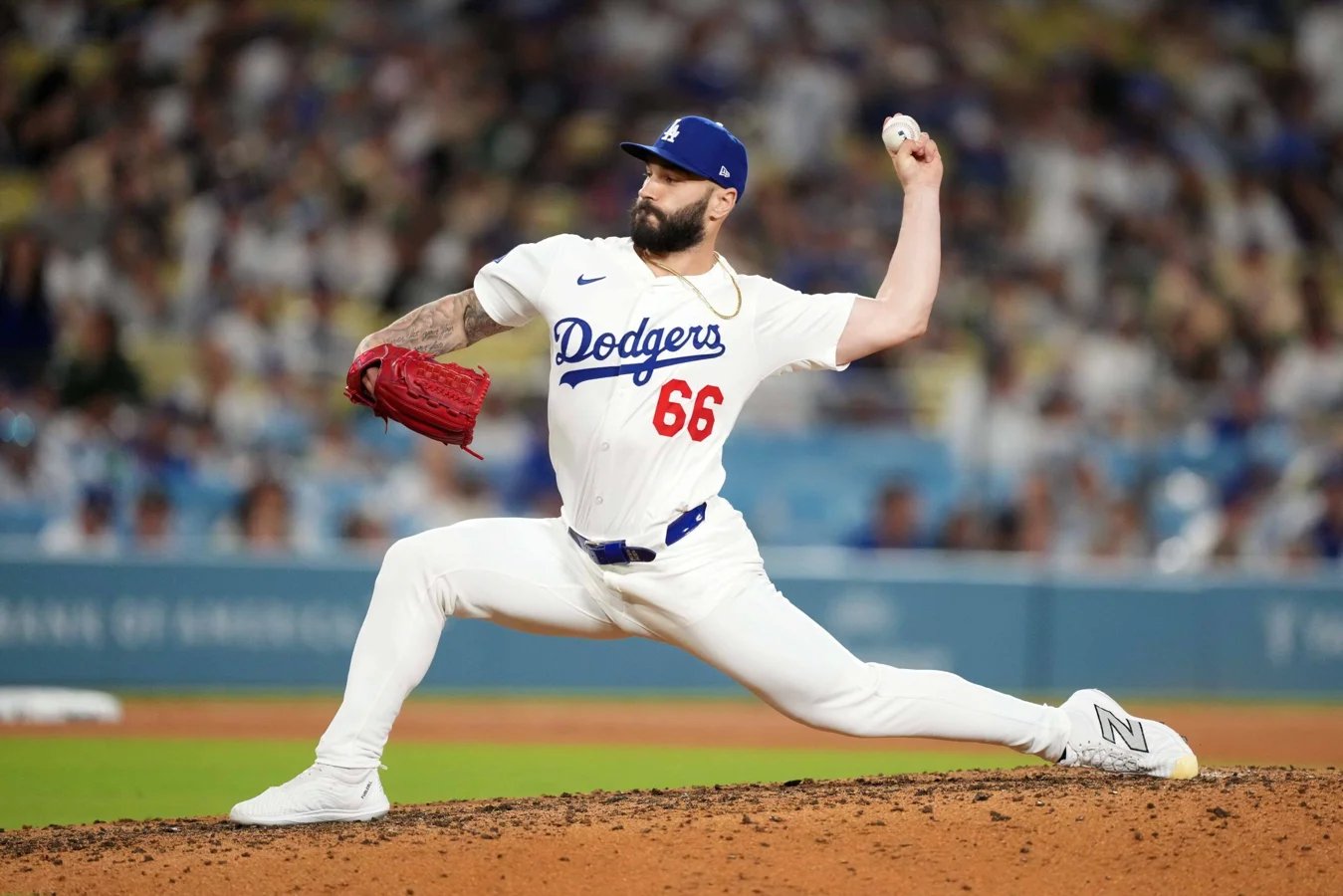
MLB analyst Blake Harris brings attention to Scott’s admirable performance in advanced pitching metrics. Specifically, Scott ranks eighth among all relievers with at least 20 innings pitched in expected Fielding Independent Pitching (xFIP), boasting a strong 2.40 mark. The xFIP statistic evaluates a pitcher’s control over strikeouts, walks, hit-by-pitches, and home runs allowed, filtering out defensive errors or luck.
According to Harris, Scott’s strikeout, chase, and whiff rates over the past month have been outstanding, reflecting his ability to induce swings and misses consistently despite visible flaws in the game‘s results. This suggests that Scott’s underlying skills remain at a top tier, even if traditional ERA figures suggest otherwise.
Tanner Scott has the 8th best xFIP (2.40) among all relievers with 20+ IP
His strikeout/chase/whiff/walk percentage have all been elite over the last month
I get it, not what you wanna see from your $72M reliever but I don’t think he’s as bad as the numbers indicate
— Blake Harris (@BlakeHHarris) May 28, 2025
What the Dodgers Need from Scott Moving Forward
The key challenge for the Dodgers is converting Scott’s promising underlying metrics into consistent, positive outcomes on the mound. While his late-inning struggles have been costly, his underlying pitch quality indicates that he has the potential to settle down and regain his form. Whether that involves adjusting pitch selection, boosting confidence, or finding better luck, the team must rely on Scott to turn things around.
With the playoffs approaching, every bullpen decision will carry increased pressure. Scott’s performance does not need to be flawless, but improvement is essential to help Los Angeles pursue a deep postseason run. The data hint that he is close to resolving his issues; now, Scott must demonstrate this progress on the field to validate his significant contract and justify the Dodgers’ trust in his abilities.