
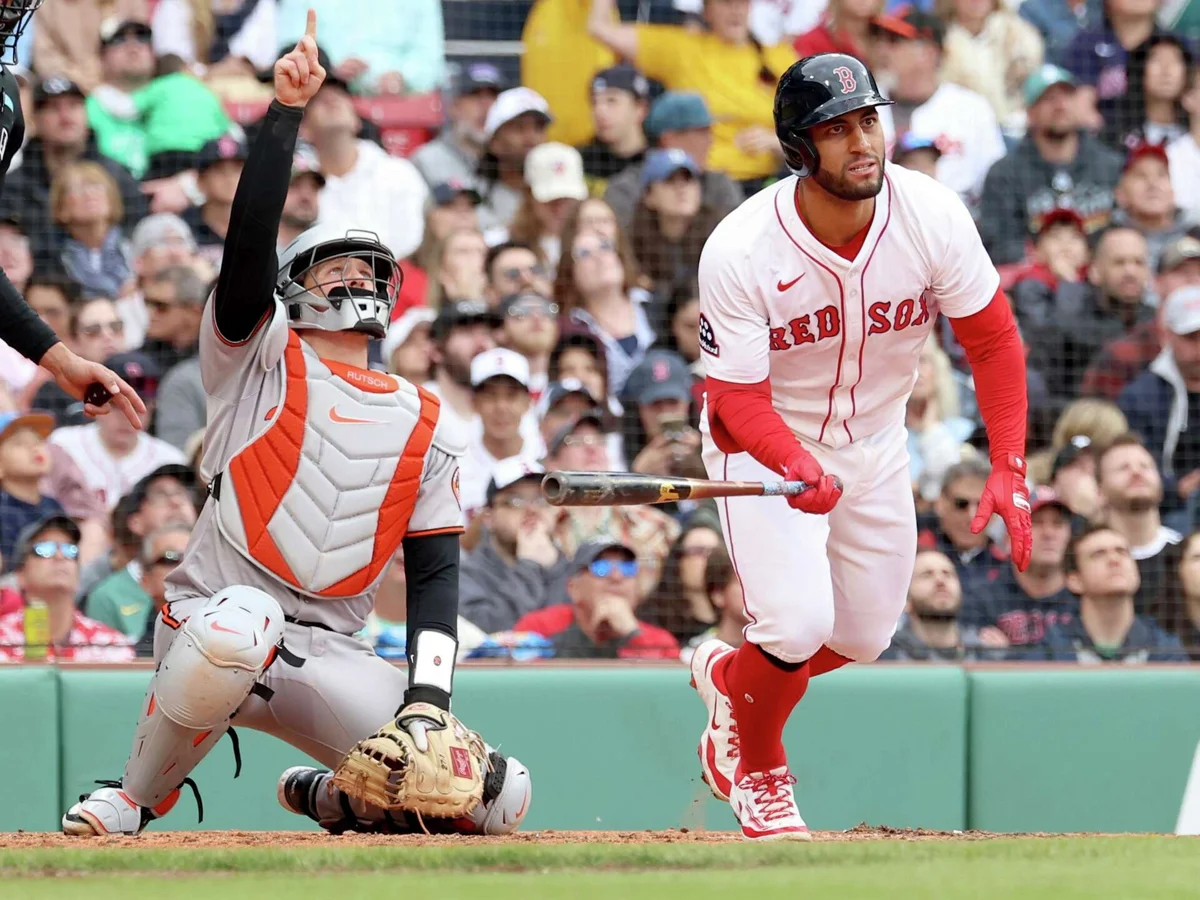

Fantasy baseball managers often face the tough question of whether to drop underperforming players like Adley Rutschman, especially as his ongoing struggles challenge expectations. The core concern isn’t simply whether a player can be dropped—most players can—but whether they should be dropped in favor of better alternatives. This evaluation requires balancing current performance with potential, making the Adley Rutschman fantasy baseball drop debate especially meaningful for Orioles fans and fantasy owners alike.
This debate frequently arises during seasons when key players like Rutschman have disappointing output. While Rutschman’s offense has lagged considerably, it’s important for managers to consider his underlying metrics and the broader context, weighing multiple factors before deciding to cut ties.
Adley Rutschman’s Current Struggles and Fantasy Outlook
Adley Rutschman has endured a difficult stretch extending over a year, recording a .219 batting average with a .310 on-base percentage and .341 slugging percentage during that time frame. This performance starkly contrasts the expectations held when he was drafted and placed on ownership rosters. Frustration naturally grows when holding Rutschman means bypassing emerging talents like Agustin Ramirez, Ivan Herrera, or Hunter Goodman, all currently outperforming him in many fantasy leagues.
Despite this, Rutschman’s advanced stats suggest he might still be a valuable asset. His expected weighted on-base average (wOBA) currently ranks fourth among catchers, behind solid veterans such as Will Smith, Cal Raleigh, Salvador Perez, and Carson Kelly. Kelly’s injury status has elevated Rutschman’s value, since the alternatives are limited. Rutschman’s plate discipline remains impressive; his expected wOBA on contact stands at .383, the second-highest mark of his career, illustrating potential beneath the surface.
Therefore, although Rutschman has undeniably been a disappointment this season, the data implies there is a foundation for him to recover. For fantasy owners who can wait, dropping him outright may be premature.
Examining Other Struggling Big-Name Players in Fantasy Baseball
Rutschman is one among several high-profile players currently grappling with poor form, creating difficult decisions for fantasy managers. Here is a ranking of ten notable struggling stars based on a “Drop-O-Meter” scale from 1 (not droppable) to 10 (drop immediately), illuminating how players compare in terms of fantasy viability.
Top Struggling Players Ranked on Drop Potential
1. Adley Rutschman, Catcher, Orioles (Drop-O-Meter: 1)
Although Rutschman has struggled, his strong underlying numbers and positional value deter dropping him now.
2. Zac Gallen, Starting Pitcher, Diamondbacks (96%)
Despite a high ERA and WHIP over the past year, Gallen’s proven ability, including a 13-strikeout game against the Yankees, justifies giving him more time. At 29, his struggles might be temporary, though benching him is advisable for now.
3. Willy Adames, Shortstop, Giants (95%)
Adames disappoints offensively and defensively, slipping from elite defense to one of the worst at his position. Mental factors might be contributing as he presses to justify his big contract, but a turnaround could still be forthcoming.
4. Christian Walker, First Base, Astros (95%)
Walker’s age and spring oblique injury raise concerns over his longevity, but his current slump resembles past slow starts that extended throughout the season. His bat and sprint speeds remain intact, suggesting he’s still worth holding on to despite the slow production.
5. Tanner Bibee, Starting Pitcher, Guardians (94%)
After pinpointing a mechanical issue affecting his delivery, Bibee has shown flashes of promise, including an eight-strikeout start. Despite a rough outing against the Dodgers, his potential remains intact with continuous adjustments.
6. Ben Rice, First Base, Yankees (88%)
Rice ranks highly in expected wOBA among players with sufficient plate appearances and is poised to gain catcher eligibility soon—a coveted attribute in fantasy leagues. However, his part-time role and competition from rising stars like Jasson Dominguez complicate his status.
7. Shane Baz, Starting Pitcher, Rays (82%)
Baz has demonstrated immense upside with multiple double-digit strikeout games but suffers from a strikeout rate regression linked to approach issues. His raw fastball velocity remains strong, but inconsistent execution limits his reliability, making him a stash rather than a roster staple.
8. Marcus Semien, Second Base, Rangers (89%)
Semien has accumulated nearly 200 games of subpar output, possibly signaling an end-of-career decline. While his metrics have not collapsed drastically, his lost athleticism and poorer contact rates undermine his fantasy value, especially given the scarcity of stronger alternatives at second base.
9. Sandy Alcantara, Starting Pitcher, Marlins (77%)
Once a reliable fantasy ace, Alcantara now struggles profoundly, allowing six runs in a recent outing without recording a strikeout. While his potential remains for the long haul, his current form makes him an easy drop in daily leagues and a risky hold in weekly formats.
10. Nolan Arenado, Third Base, Cardinals (95%)
Though there were initial hopes Arenado could regain prior form, his increased swing length has negated improvements in bat speed. Despite making consistent contact, his power has diminished considerably. In deeper leagues, replacing him with younger or hotter hitters like Brett Baty or Miguel Vargas seems warranted.
Broader Implications for Fantasy Baseball Rosters and Decision-Making
The situation with Adley Rutschman exemplifies the complex decisions fantasy managers face amid underperformance and injury concerns. Dropping key players can be emotionally charged, especially when managers feel a desire to act but lack confidence in the available replacements. The fantasy baseball drop debate is not simply about performance metrics; it encompasses positional scarcity, predicted recoveries, and long-term upside.
As seasons progress and players like Rutschman either rebound or slip further, roster managers will need to adopt a nuanced approach, balancing patience and pragmatism. Keeping players with strong underlying skills and potential may pay dividends, but holding on too long could prevent teams from capitalizing on emerging talent. In sum, the decision is both strategic and deeply personal, requiring careful consideration for each unique fantasy roster.