
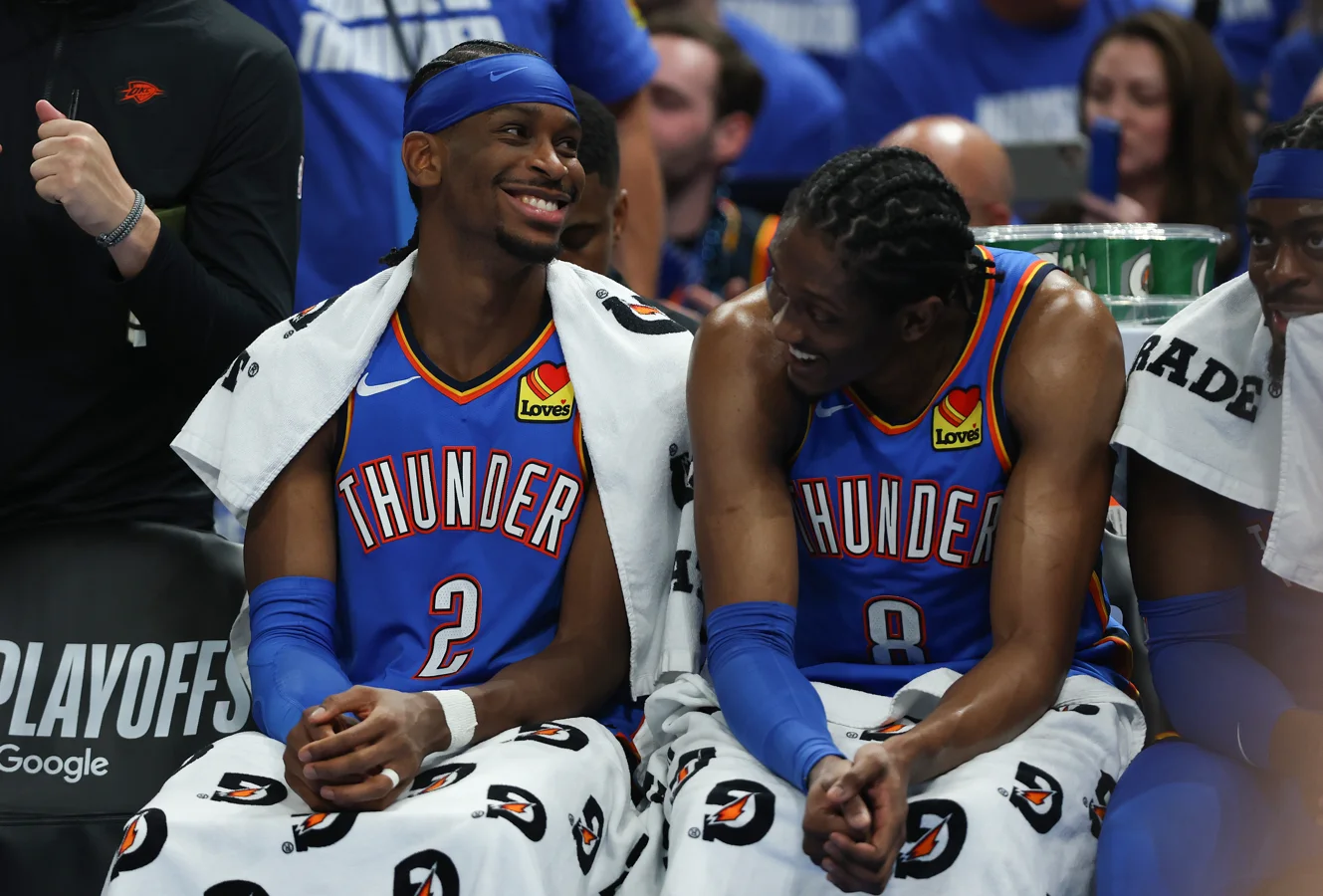

The New York Knicks are facing a critical moment in the Western Conference Finals, trailing 3-1, as key players Jalen Brunson and Karl-Anthony Towns show signs of fatigue. Kendrick Perkins highlighted how this exhaustion stems largely from the defensive attention both stars receive, particularly Brunson, which has contributed to their diminished performance in crucial moments. Perkins emphasized that the Knicks must address this issue immediately to stay competitive in the series.
Despite their overall solid scoring averages, Brunson and Towns have faltered during clutch moments, surprising many given Brunson’s recognition as Clutch Player of the Year. Their exhaustion is exacerbated by being the focus of the opposing defense’s efforts, limiting their ability to contribute effectively during the game’s most important phases.
Perkins Explains the Defensive Challenge Facing Brunson and Towns
Perkins noted that the Knicks’ stars are being “hunted” by their opponents, leading to severe fatigue and scoring drop-off late in games. He cited Game 4’s fourth quarter as a clear example, pointing out that Brunson and Towns combined for only four points on minimal shooting attempts because they were physically drained from their defensive involvement.
“You’ve got to be able to protect guys that they’re hunting, right? They’re hunting Jalen Brunson and Karl-Anthony Towns. It’s the reason they only had two points apiece in Game 4 [in the fourth quarter]. Because they’re tired! They’re involved in every action,”
—Kendrick Perkins, NBA veteran and analyst
Draymond Green’s Defensive Approach as a Blueprint for the Knicks
Although Perkins acknowledged the Knicks’ defensive struggles, he also presented a proven strategy inspired by Draymond Green to safeguard vulnerable players like Brunson. By analyzing Green’s defensive gameplay, Perkins showed how being proactive and controlling defensive switches can neutralize offensive mismatches, keeping key players fresher and more effective.
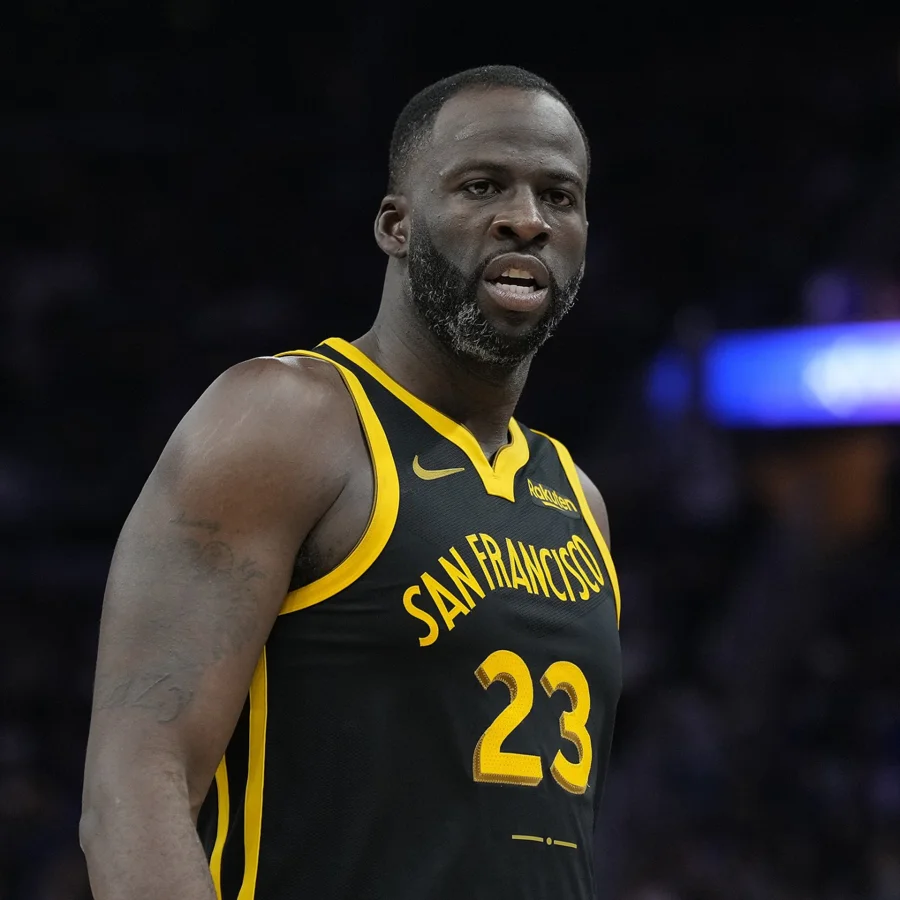
Perkins demonstrated a clip in which Green anticipated an offensive play aimed at creating a mismatch for Austin Reaves. Rather than allowing the mismatch to occur, Green actively orchestrated defensive switches and positioning throughout the play, ultimately defending Reaves himself during the shot attempt—an effort that required significant communication and anticipation.
“See, Draymond Green, he sniffed this play out early, and he knew this was for Austin Reaves to create a mismatch. So, he wanted to be involved. Look at all of the switching, all the pointing, because he wanted to be involved in this. And at the end, who’s guarding Austin Reeves? It’s Draymond Green. But look what it took to get there.”
—Kendrick Perkins, NBA veteran and analyst
Urgent Defensive Adjustments Needed to Shield Brunson
Perkins called on the Knicks to adopt a similar defensive mindset to protect Brunson. He stressed that the team must proactively manage switches and utilize teammates to relieve Brunson from defensive pressure, especially in matchups that expose him to faster or more elusive opponents. The failure to do so, Perkins argued, leaves Brunson exhausted and vulnerable, as demonstrated when Tyrese Haliburton exploited a mismatch against him with a successful three-point shot.
“They are looking for Jalen Brunson. They’re trying everything, you got him in a drop coverage. They keep going screen for screen, guard for guard. At this point, right there, Mikal Bridges has an opportunity to switch with Jalen Brunson to take the heat off of him. But he doesn’t.”
—Kendrick Perkins, NBA veteran and analyst
The Stakes for the Knicks Moving Forward
As the Knicks head into Game 5, the urgency to fix these defensive lapses is mounting. If the team fails to shield Brunson from relentless pressure by employing a strategy akin to Draymond Green’s defensive awareness and switching, their season could come to a premature end. The team must decide whether to take a proactive, aggressive approach to prevent mismatches or risk being dismantled by one of the league’s most potent offenses.
Perkins’ analysis offers the Knicks a clear blueprint to maintain their competitiveness and protect their key players from being overwhelmed on defense, a step that could prove decisive in their playoff aspirations this year.