
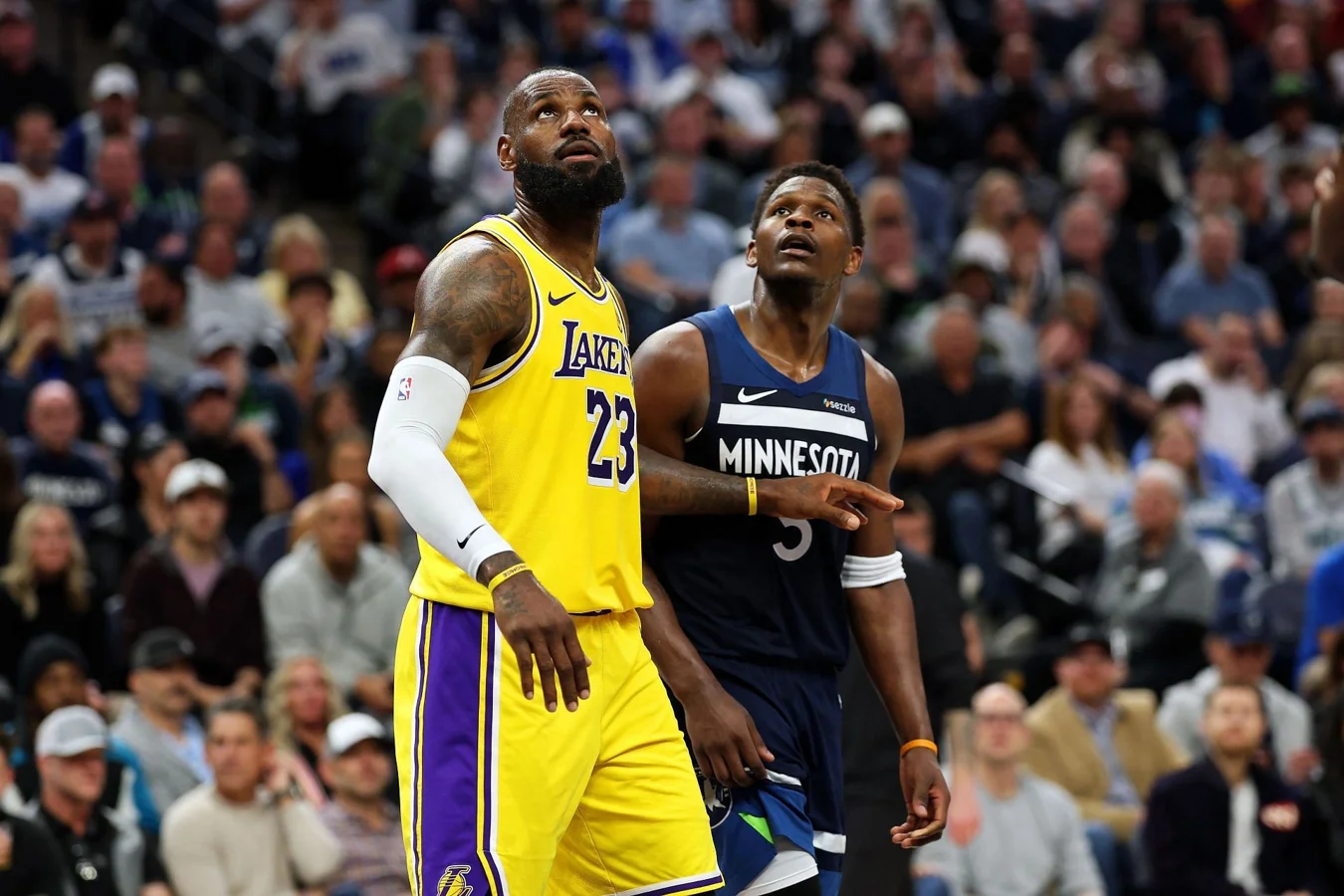

Los Angeles Lakers star LeBron James, a seasoned NBA postseason veteran, recently commented on the heightened physicality and inconsistent foul calls that define playoff basketball. Speaking after the Lakers were eliminated in the first round, James addressed how officials officiate the game differently during the playoffs, particularly in regard to fouls involving players like Anthony Edwards of the Minnesota Timberwolves.
The Changing Nature of Physical Play in the NBA Playoffs
LeBron James highlighted that playoff basketball often sees an increase in physicality compared to the regular season, with referees allowing more contact to flow without calling fouls. This shift creates a more rugged style of play, which many players, including James himself, accept as part of the postseason intensity.
During the regular season, many minor contacts are immediately whistled as fouls, but once the playoffs begin, referees tend to give athletes more freedom to engage physically. This approach, however, produces inconsistencies, especially concerning which players get called for fouls and which do not. James pointed to his experience guarding Anthony Edwards as an example of this inconsistency, noting that Edwards seemed to get away with more physical contact than usual.
LeBron’s Concerns About Foul Call Discrepancies Involving Anthony Edwards
On his podcast Mind the Game with Steven Nash, James expressed his frustration with the uneven enforcement of fouls during the series. He described instances where Edwards used physical tactics that went unpenalized, questioning the clarity of the rules applied. According to James:
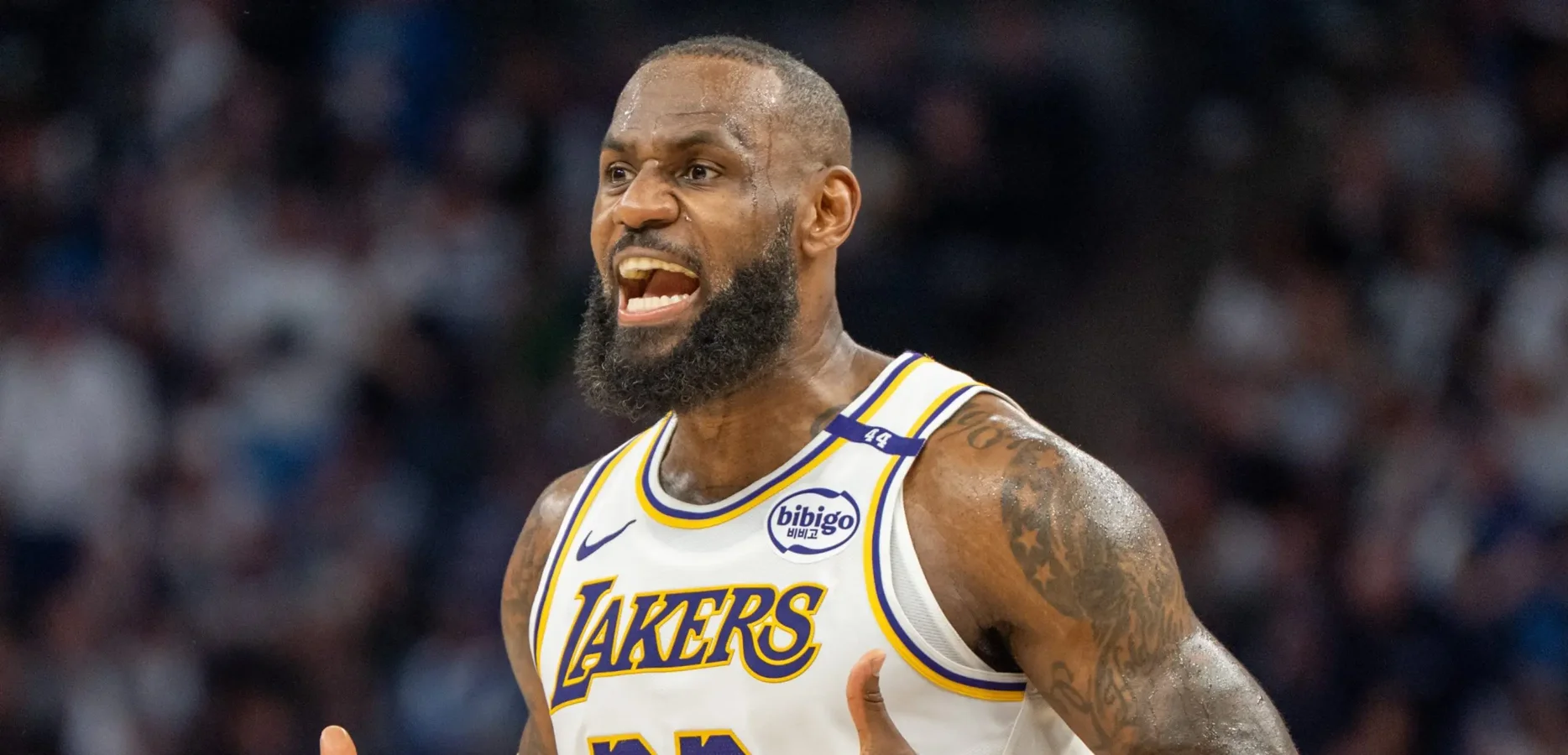
“If that’s how we gonna play and that’s how we’re going to allow it to be played then I don’t mind it. I don’t mind it. Now, it needs to be that on both ends. It needs to be that on both ends. It was never explained to me, like I’m trying to run down the court and Ant is giving me the two-hand…I’m beyond five yards. If this was the NFL it would still be a penalty, I was beyond five yards in my route running. But it was fun. It was competitive. You definitely wondering what line are we crossing or is there not a line at all? Because you go through the lane a guy does like this and you do this and then…But we’re in the open court at half court and he’s doing like this or anybody doing that and they don’t call it. So it’s like where’s the line being drawn? But the physicality, we preached on it, it’s different. You know you’re not getting away with that at all. It’s zero percent chance you’re getting away with any of that in the regular season. In the playoffs, there’s a possible chance you can and let’s try it and see what happens.”
—LeBron James, Los Angeles Lakers star
James emphasized that the unclear boundaries of allowable physicality make it difficult to anticipate what will be called as a foul, impacting how players adjust their aggressiveness during the game. He expressed openness to the increased physical contact as long as it is applied evenly to both teams.
Anthony Edwards’ Defensive Strategy and Relationship With Physicality
Edwards, noted for guarding LeBron James during the series, reportedly used his hands aggressively, a tactic that seemed to benefit from lenient officiating. His approach aimed to unsettle the veteran Lakers star, with Edwards acknowledging his intent to be a persistent “pest” against James, a player known for his strength and skill despite being 40 years old.
The dynamic between Edwards and James underlines the broader debate about how physical gameplay is managed in postseason basketball, where lines between legitimate defense and illegal contact often blur.
Understanding the Jump in Intensity from Regular Season to Playoffs
The sharp contrast between regular season and playoff officiating has long been a topic of discussion across the league. While the more physical style is accepted as part of the playoffs, it also raises concerns about player safety and fairness. James’ comments highlight how this discrepancy affects competitive balance and creates frustration among players who must navigate the varying thresholds for fouls.
For now, players like LeBron James acknowledge the need to adapt to these conditions as intrinsic to playoff basketball’s demanding environment. The playoff context demands heightened resilience and tactical flexibility amid evolving enforcement of the rules.
LeBron James’ Future Outlook with the Lakers
Following the Lakers’ playoff exit, LeBron James remained noncommittal about his continuation in the NBA but recent reports indicate he intends to pick up his player option for the 2025-26 season. This decision points to his ongoing commitment to the Lakers despite the challenges surrounding postseason play.
James’ expected return will keep his veteran leadership and experience central to the Lakers’ pursuits in upcoming seasons, even as debates about officiating standards and playoff physicality continue to shape the league’s narrative.