
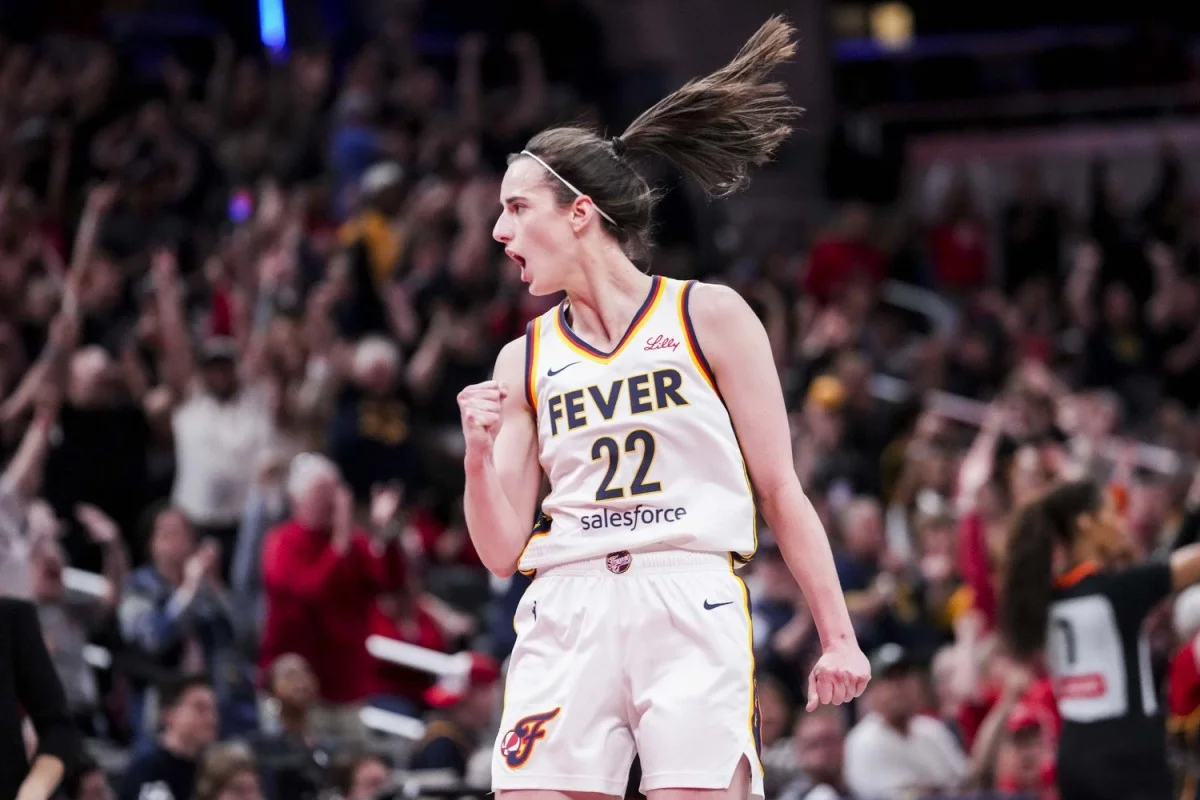

Dijonai Carrington, known for previous aggressive conduct towards Caitlin Clark, drew attention again when a referee called security over after the final whistle of a Dallas-Chicago WNBA game on a Friday night in May. This unexpected intervention followed Carrington’s confrontation with the official after her team’s road loss, raising questions about the reasons behind the added security presence.
While players often express frustrations with referees during or after games, the unusual step to involve stadium security has sparked speculation on whether Carrington’s past episodes influenced this decision. The focus on Dijonai Carrington aggressive behavior towards Caitlin Clark has resurfaced, amplifying concerns over player conduct and safety measures in the league.
Background on Dijonai Carrington’s Controversies
Dijonai Carrington’s recent history has contributed to her reputation for contentious behavior. Last September, during a Fever vs. Sun playoff series, she made a physical move toward Caitlin Clark that caused Clark to suffer a black eye, an incident that ignited considerable outcry across social media. Despite the severity of the action, no foul was called in that moment, leaving fans and observers debating the fairness and sportsmanship of the play.
Beyond the on-court incident, Carrington also attracted attention for her outspoken political stance. She wore a highly controversial anti-Trump shirt at a lesser-watched Unrivaled game last year and publicly urged the WNBA to take a stand against former President Donald Trump’s policies. This combination of aggressive play and political activism has solidified her polarizing presence within and beyond the sport.
Perspectives on the Security Call and Carrington’s Reaction
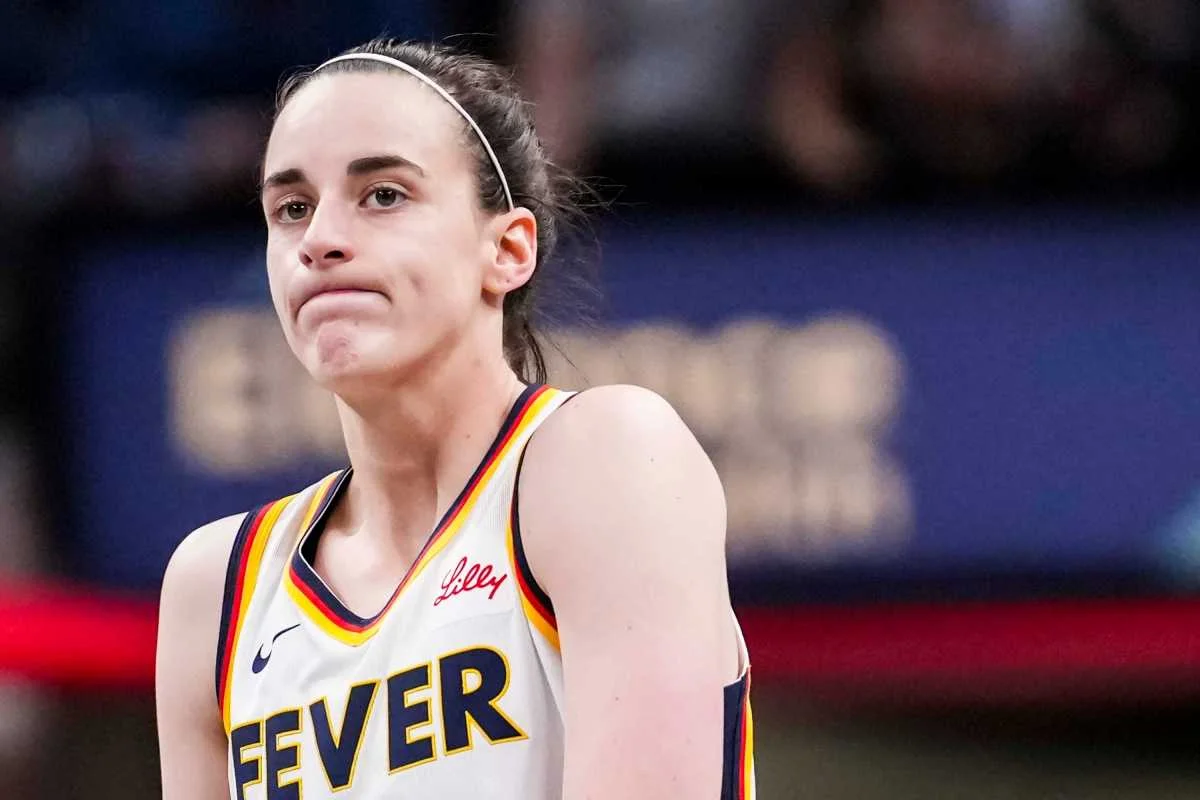
Following the recent game, Carrington voiced her displeasure on social media, labeling the security intervention as a “microaggression.” This term, often used among younger generations, in her context implied the referee was excessively sensitive to her behavior, a characterization that many fans and commentators viewed skeptically.
The referee’s decision to summon security may have stemmed from a precautionary approach, given Carrington’s prior conduct and the tense atmosphere after the loss. It is unclear whether the official or stadium security initiated the move, but the incident highlights the delicate balance officials must maintain in managing players known for aggressive tendencies.
This event has sparked debate about whether such security measures are justified in professional sports and if Carrington’s history is influencing how she is treated by game officials and staff.
Implications for Player Conduct and League Management
The situation involving Dijonai Carrington aggressive behavior towards Caitlin Clark underscores ongoing challenges in regulating player interactions and maintaining safety in competitive environments. Officials may increasingly adopt proactive security protocols when dealing with players who have demonstrated unpredictable or hostile behavior, aiming to prevent escalation during emotionally charged moments.
In the broader WNBA context, this incident could prompt discussions about clearer guidelines and support systems for managing player disputes and ensuring both player safety and fair competition. The way the league addresses such episodes may shape how athletes, officials, and fans engage with the sport moving forward.