
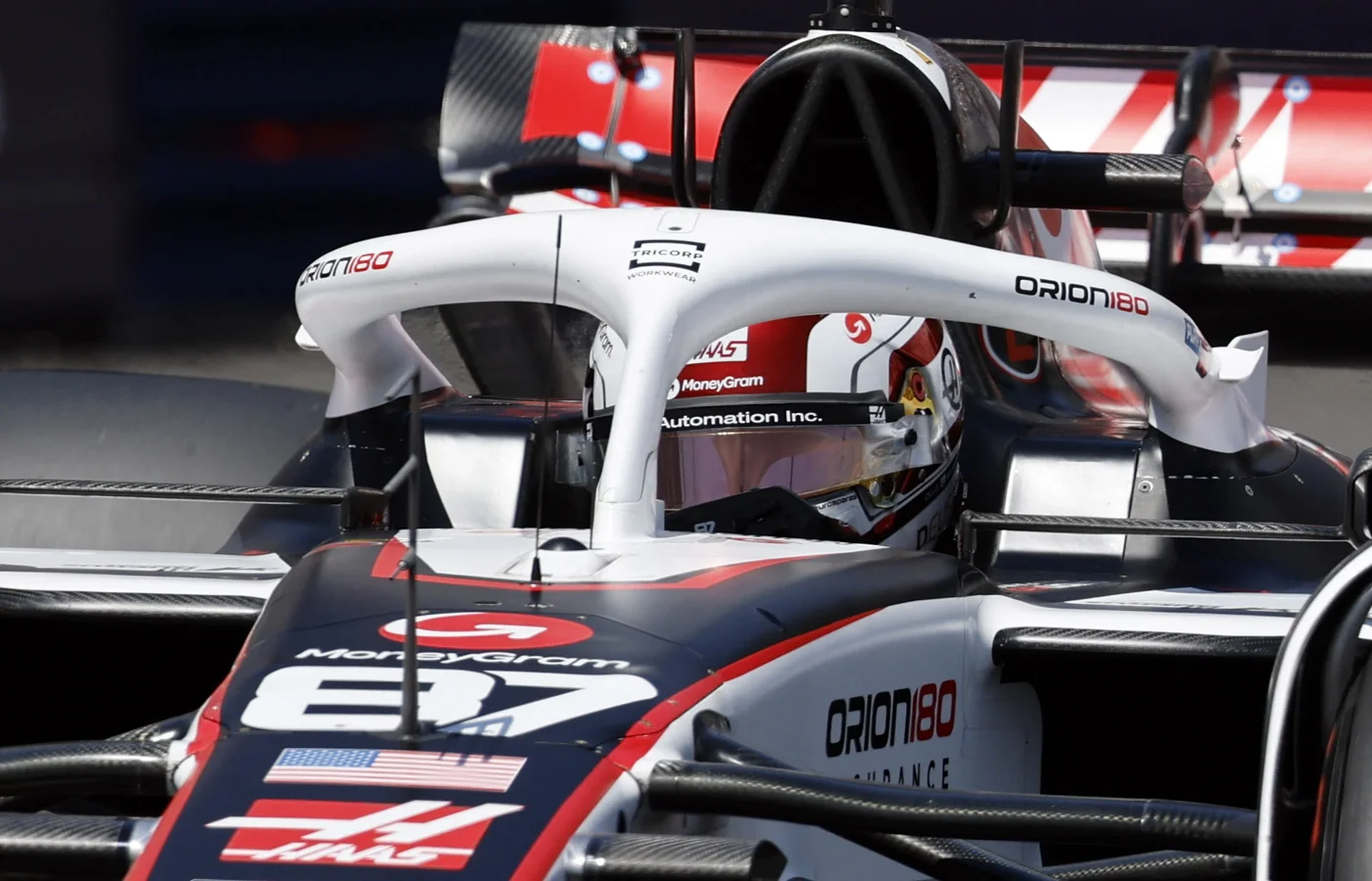

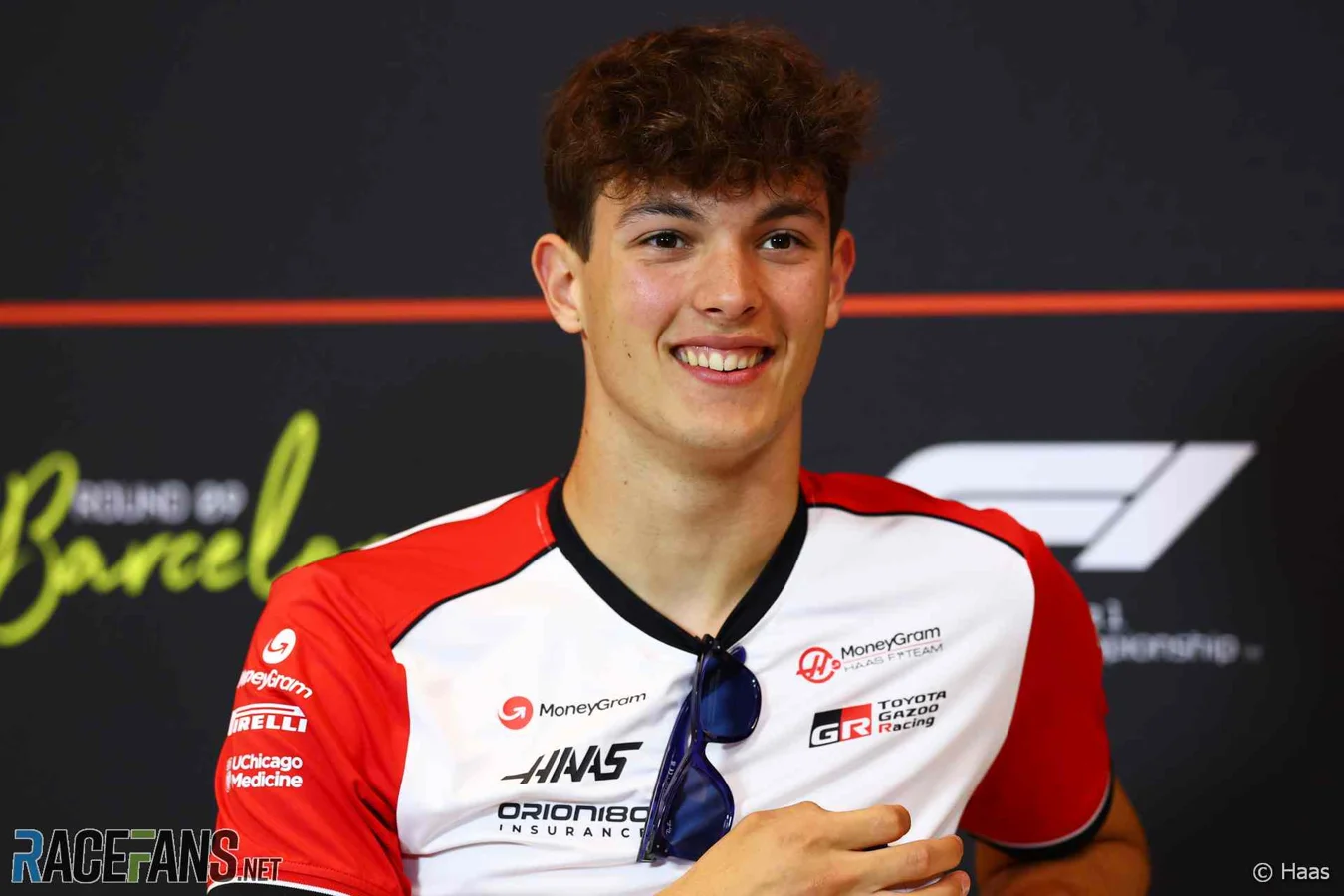
During the Spanish Grand Prix qualifying session, Williams driver Alex Albon openly criticized the Haas team and rookie Oliver Bearman for what he described as intentional slowing tactics. Albon, frustrated after missing out on the crucial top 10 in Q2, accused Haas of deliberately hindering his lap by reducing speed ahead of him on track. This incident sparked the ongoing Oliver Bearman dirty slowing controversy in qualifying.
In the intense moments late in Q2, Albon encountered a slower Haas car while pushing for a better time, which he believed compromised his chances. Over the team radio, Albon did not hold back:
They were dirty, dirty Haas. They knew what they were doing. They purposely slowed down in the third sector.
After qualifying, Albon acknowledged that his radio outburst may have seemed theatrical but defended the sincerity of his frustration. The Williams driver explained the impact of dirty air on car performance, emphasizing how sensitive the energy-sensitive cars are during laps where even minor disruptions can be decisive.
I know it looks maybe dramatic, and it is dramatic in many ways, my reaction, but it’s more just the cars are so sensitive to dirty air,
he said when speaking to PlanetF1.com.
It’s genuine. I would have got into Q3 if I didn’t have the dirty air. It’s just that that’s the way it is.
Albon further noted that his lap times suffered in specific corners compared to earlier attempts, emphasizing how critical the interference was. Despite missing Q3, he expressed surprise at the overall progress of Williams during the opening race weekend of the season, considering the difficulties they faced.
I feel like we haven’t gone into qualifying more compromised than we have this weekend,
he added.
We obviously knew we were going to struggle this weekend, I think FP1 proved it.
Further Insights on Qualifying Developments at Barcelona
The Spanish Grand Prix qualifying session exposed several challenges and talking points beyond Albon’s comments. Williams had to manage car electronic issues and tire allocation carefully, which affected their approach. Albon mentioned relying on teammate Carlos Sainz’s early track time during FP2 to gather information despite their own setbacks.
Albon explained that due to electronic problems, they were forced to use three tire sets in Q1, which left limited fresh rubber available for Q2. He remarked on the significance of this handicap, stating that without it, progressing to Q3 was within reach.
FP2, I was kind of also just relying a bit more on Carlos [Sainz]. Just because he had a bit more than four laps under his belt.
We had some issues with electronics in our cars. We had to change that as well and we had to use three sets in Q1 so considering all the things that we’ve done…
I’ve never been out of Q1 at this track, we got into Q2, we almost got into Q3 and I think realistically, if you just take the fact that we had only one set in Q2 we would have got through so all good things.
Despite the challenges, Albon viewed the session as revealing persistent weaknesses in the team’s qualifying capabilities, especially highlighted by the demands of the Barcelona circuit.
It still shows us we have weaknesses, and there’s still the DNA that we need to fix that clearly Barcelona exposes it.
Implications of the Slowdown Incident and Qualifying Outcome
Albon’s accusations against Haas and Oliver Bearman intensify the debate over on-track conduct, particularly involving rookies and midfield teams. The Oliver Bearman dirty slowing controversy in qualifying has drawn attention to how strategic positioning during hot laps can affect other drivers’ performances. This incident may prompt officials to review track etiquette or consider stricter enforcement to prevent similar occurrences.
For Williams, while the first event of the season did not see them reach Q3, the near breakthrough informs their approach moving forward as they analyze weaknesses exposed by Barcelona. Albon’s candid reflections suggest that improvements in car reliability and race weekend strategy could yield better outcomes.
The ongoing scrutiny around Haas’s tactics and Bearman’s actions will likely influence conversations within the paddock about fair play during qualifying sessions, potentially affecting rules or team strategies as the 2025 Formula 1 season progresses.