
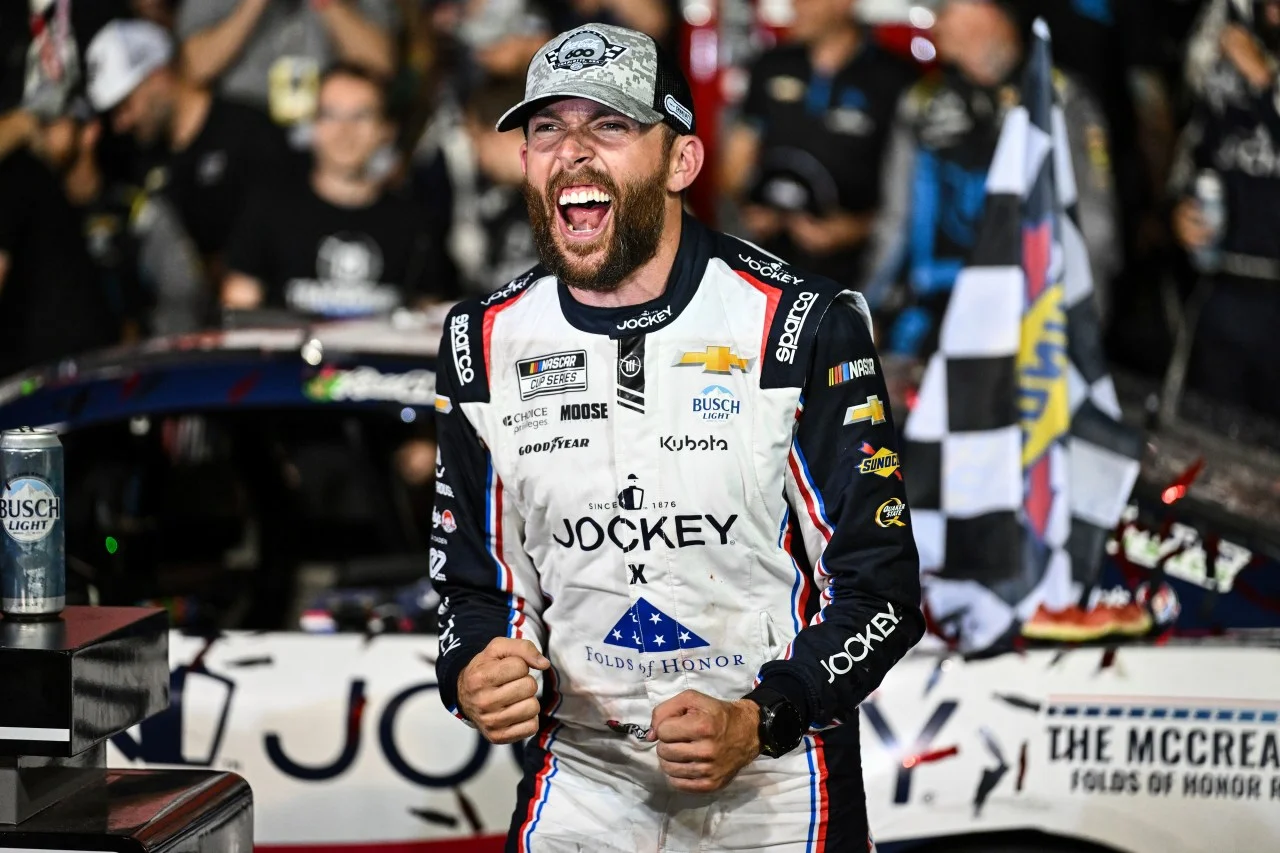

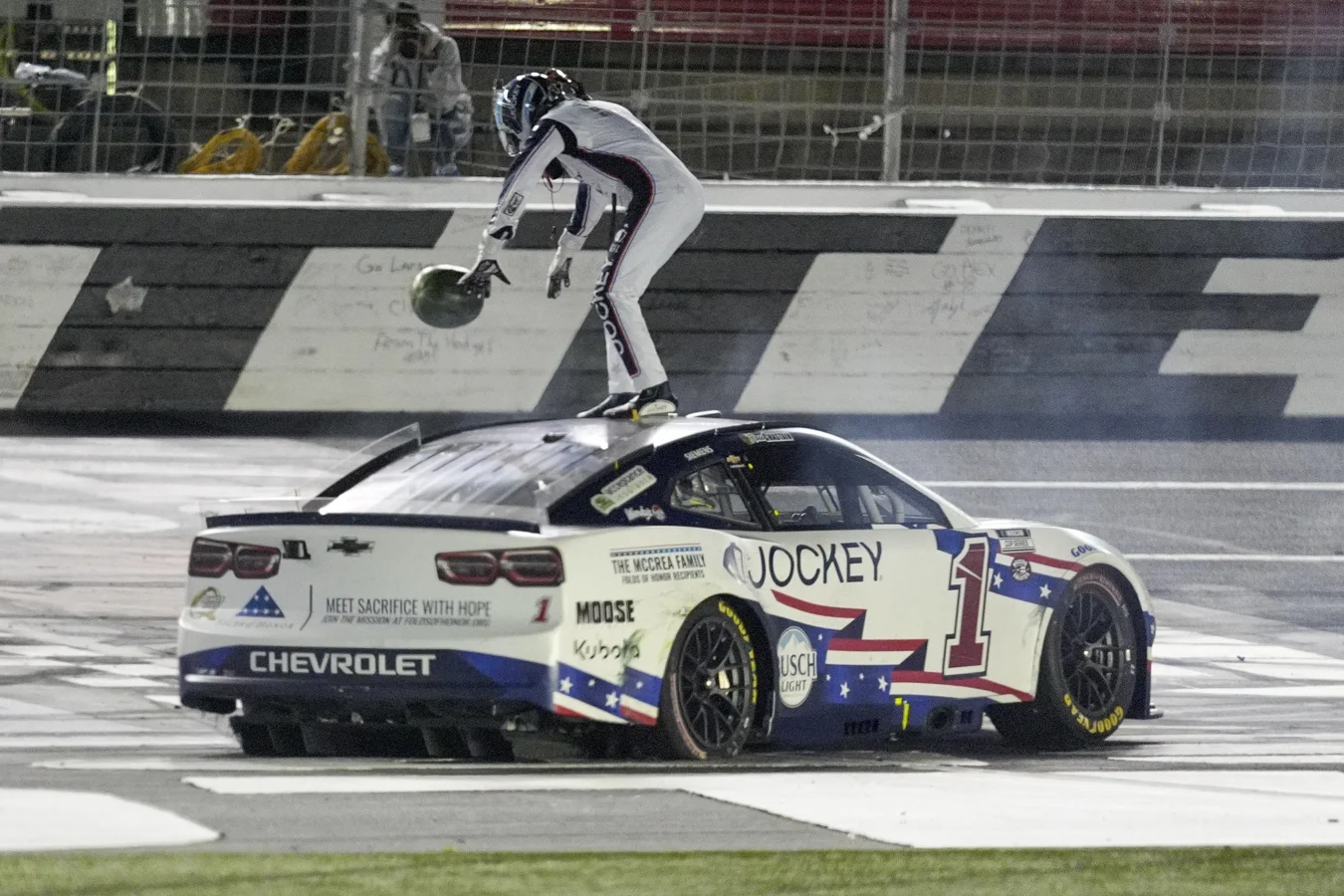
NASCAR has introduced a new era of racing with the Next Gen car, posing unique challenges that continue to affect drivers and crew chiefs alike. Phil Surgen, crew chief for Ross Chastain’s No. 1 Trackhouse Racing Chevrolet, shared insights on how these precise adjustments are transforming the sport as the team prepares for the NASCAR Cup playoffs following Chastain’s recent Coca-Cola 600 victory.
The Evolution and Challenges of NASCAR’s Next Gen Cars
NASCAR has progressed through several car generations since 1948, with the current Next Gen model debuting in 2022 as the seventh iteration. Each generation has introduced distinctive features and hurdles, complicating adaptation for teams. The Next Gen car was designed to have standardized components, aiming for simpler, faster setups. However, in reality, the complexity of managing these cars has increased significantly, particularly for crew chiefs who oversee crucial adjustments.
Phil Surgen explained that the concept of a “plug-and-play” car does not fully apply here. Although teams use identical parts, the effort to optimize performance remains demanding and time-intensive.
“I wouldn’t agree with plug-and-play, but you can take all the parts,”
he said.
“It’s time-consuming, and it’s labor-intensive, but you can make all the cars nearly as good as the others, but it takes a long time to do that. There’s a lot of intricacies with these cars.”
The Impact of Precision in Car Setup
Surgen highlighted that the degree of precision required has grown dramatically over previous generations. Whereas teams once focused on adjustments measured in eighths or quarters of an inch, the Next Gen car demands tolerances measured in thousandths of an inch.
“Years ago, we were dealing in eighths and quarters of an inch (tolerances), and now we’re dealing in 5-thou and 10-thou,”
Surgen noted.
“The increments that we’re talking about have just — the scales have changed in magnitude of what used to matter to what matters now.”
This shift places immense pressure on teams to use the correct tools meticulously during pre-race setups, as mistakes can lead to repeated failed inspections. Surgen stressed the importance of using advanced measurement equipment properly, explaining how the complexity of these tools has increased in tandem with the technology of the cars.
The Role of Equipment and Its Proper Application
Unlike past generations, Next Gen bodies and parts are now readily available and interchangeable, allowing teams to assemble cars more quickly. Surgen pointed out,
“The complexity of the equipment we use just to measure the cars is significantly different than what it was before, and all the parts are available.”
He added,
“So, before, building a body was not possible overnight. But you could put a Next Gen body together overnight because you could just take the parts off the shelf.”
Still, assembling the parts is only a fraction of the challenge. Configuring the car to perform among the top competitors requires immense precision and effort. Surgen described this level of work as “a Herculean effort,” emphasizing the meticulous detail necessary to compete at the highest levels in Cup racing.
What These Changes Mean for NASCAR’s Future
As NASCAR teams continue adjusting to the strict standards and finer tolerances of the Next Gen cars, crew chiefs like Phil Surgen play a vital role in deciphering the complexities behind each race. Ross Chastain’s recent triumph at the Coca-Cola 600 provides a glimpse into how mastering these challenges can lead to success. However, the precision demanded by the Next Gen car suggests that teams must remain highly adaptive and invest significant time in fine-tuning their setups.
The ongoing evolution in car technology and inspection processes is reshaping the competitive landscape in NASCAR, increasing the need for advanced tools, detailed measurements, and unwavering attention to small details. As the sport moves forward, these factors will continue to influence race outcomes and define the strategies of teams looking for an edge on the track.