
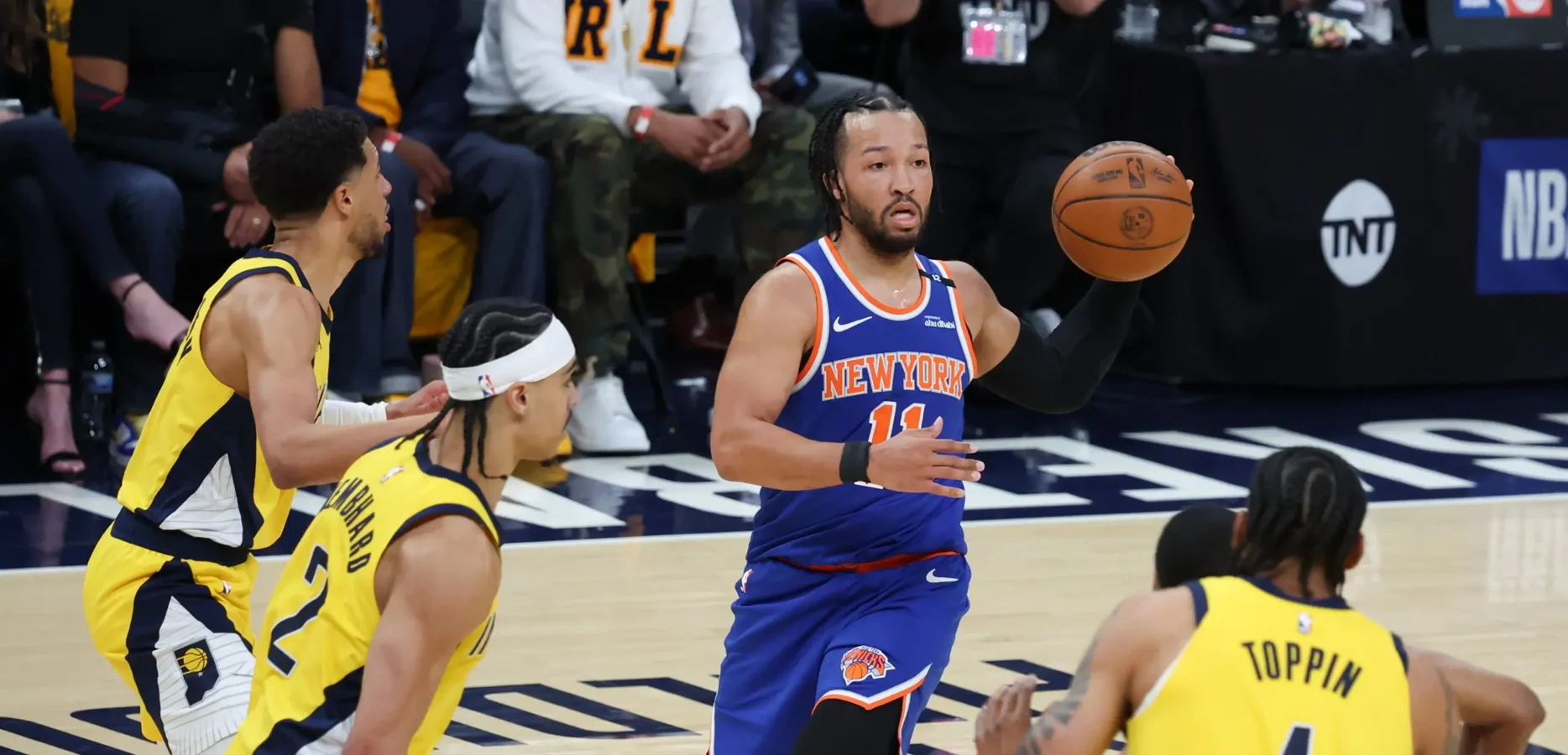

The New York Knicks’ disappointing loss in the Eastern Conference Finals has cast a shadow over the team’s future, with guard Jalen Brunson accepting responsibility for the defeat while mounting concerns over locker room dynamics involving Karl-Anthony Towns have come to light. Following their elimination in 2024, Brunson Knicks locker room tensions became a focal point of post-game discussions, raising questions about leadership and cohesion within the squad.
Jalen Brunson Owns Up to Critical Mistakes in Playoff Defeat
After the Knicks’ season ended on a sour note at Madison Square Garden in New York on December 3, 2024, Jalen Brunson addressed the serious mistakes that plagued his team. Despite his reputation as a clutch performer, Brunson’s performance in Game 6 failed to meet expectations, as he managed only 19 points and seven assists, marking his lowest output in the Eastern Conference Finals series. The 6-foot-2 guard expressed deep frustration with the loss, stating,
“Sucks man. Simple as that. It sucks.”
In the post-game press conference, Brunson candidly took full accountability for the team‘s shortcomings, particularly their 17 turnovers. He attributed these costly errors to enabling opponents’ breakaways that extended their lead. Reflecting on a critical moment from Game 1, he said,
“We could start with Game 1. The play when I passed to OG and then the turnover right there.”
This blunder was especially painful considering the Knicks had squandered a 17-point advantage late in that game at home.
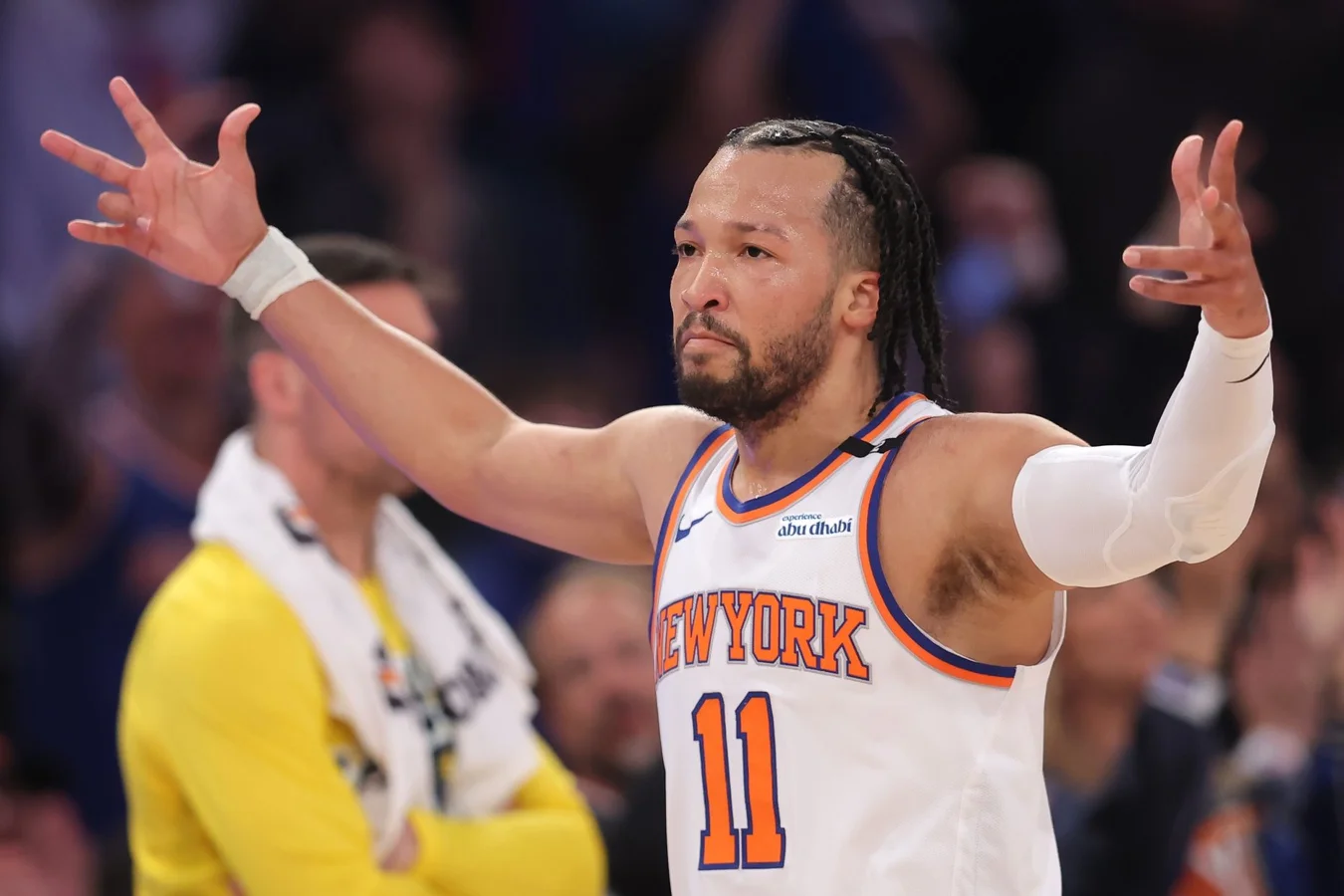
Brunson emphasized the importance of controlling aspects within one’s power, admitting,
“It’s just something that I have to be able to control. I always talk about controlling things that I can control and that’s one of them. I wasn’t able to do that throughout the series and I wasn’t able to give my teammates and team an opportunity to go out there and win more games. So, yeah, it’s terrible on our part. Terrible on my part, excuse me.”
His remarks, however, contrast somewhat with his earlier comments after Game 4, when he blamed the broader team for a lack of discipline, including himself, framing it bluntly as a black-and-white issue. While turnovers were a key factor in that loss, the absence of Josh Hart also played a role. This pattern of errors and external challenges characterized the entire playoff run.
Despite the low point in the final game, Brunson’s overall series performance had been consistent, averaging 33 points and over five assists in the first five games. His steady contribution underlines that the problem was not solely his on-court play, but possibly other factors including team dynamics.
Rising Doubts About Karl-Anthony Towns’ Role Amid Defensive Struggles
The acquisition of Karl-Anthony Towns last summer, part of a trade that saw Julius Randle and Donte DiVincenzo depart, was hoped to provide the Knicks with the final piece to push deeper into the playoffs. Towns delivered solid numbers during the regular season, averaging 24.4 points and a career-high 12.8 rebounds, but he failed to elevate his game during the postseason.
Concerns grew over Towns’ defensive commitment and consistency throughout the playoffs, especially given his recurring foul troubles that forced head coach Tom Thibodeau to bench him at critical moments. These lapses have reportedly caused friction within the team. According to a report by The Athletic following the Knicks’ elimination, the locker room atmosphere grew tense due to Towns’ defensive lapses and communication issues.
The report detailed,
“Publicly, Knicks players made veiled comments all season about poor communication causing their inconsistencies. Behind the scenes, they and coaches expressed frustration with Towns’ defensive habits — less concerned with his talent level and more with his process on that end. Too often, Towns executed incorrect coverages without communicating why he did it. After it became a theme, players worried Towns didn’t grasp the importance of the matter.”
This revelation suggests that while Towns’ offensive production remained respectable, his defensive inefficiencies and lack of clear communication impeded the team’s overall performance. Such internal discord could undermine team chemistry during high-pressure games and might present a challenge as the Knicks prepare for the offseason.
Locker Room Strain Spurs Questions on Knicks’ Leadership Dynamics
The contrast between Brunson’s leadership approach and Towns’ apparent struggles has sparked debate over who truly leads the Knicks and whether that leadership is effective. Despite facing considerable criticism and pressure, Brunson has maintained faith in the team’s potential. He expressed unwavering confidence, saying,
“The most confidence. Overconfident, seriously. There is not an ounce of any type of doubt that I’m not confident with this group.”
This optimistic outlook highlights Brunson’s role as a locker room leader and his determination to guide the Knicks to future success, even amid rising tensions. His attitude of accountability and faith could prove vital in resolving internal issues and fostering a stronger team identity going forward.
As the Knicks head into the offseason, the spotlight will remain on how the team addresses its defensive gaps, communication issues, and the balance of leadership between Brunson and Towns. The resolution of these internal challenges will likely influence the squad’s trajectory and chances of advancing further in the playoffs next year.