
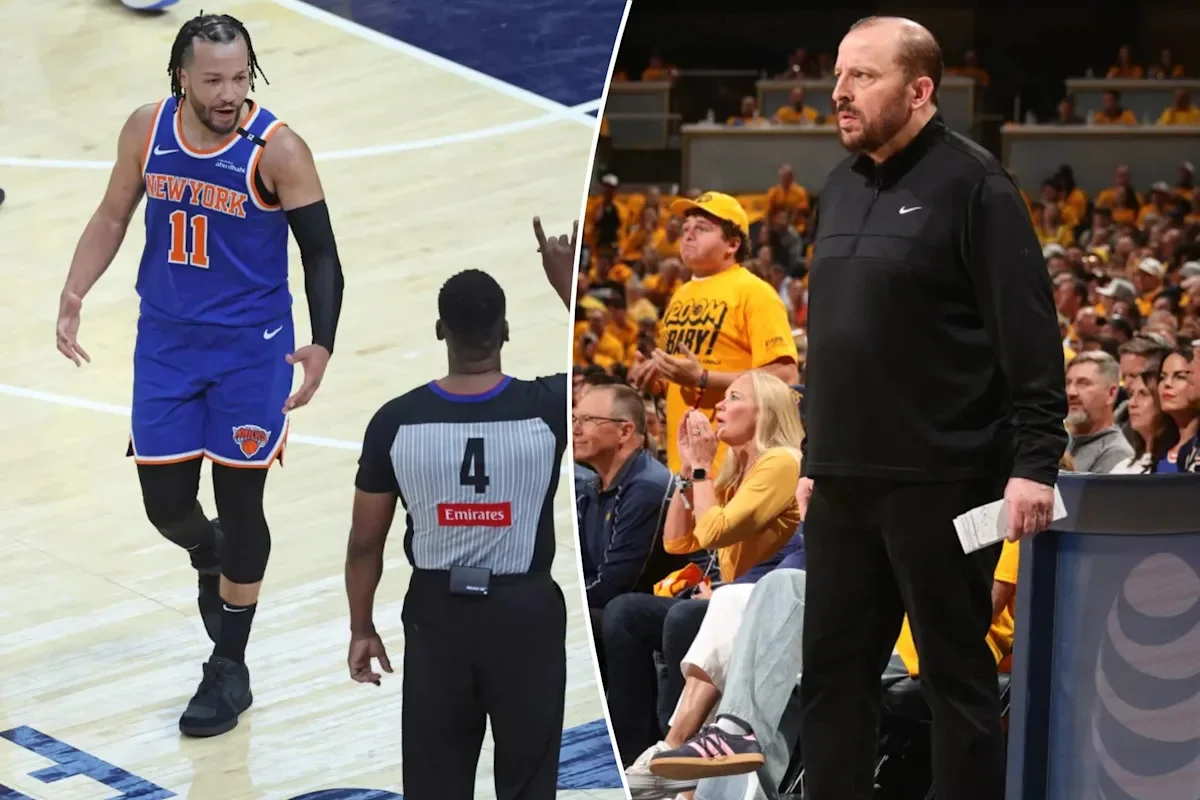

After the New York Knicks were eliminated by the Indiana Pacers in Game 6 of the playoffs on May 31, 2025, guard Jalen Brunson delivered an emphatic endorsement of head coach Tom Thibodeau, dismissing any doubts about his leadership. This moment came during the emotionally charged postgame press conference, where Brunson was asked if Thibodeau was still the right coach for the team.
With undeniable intensity, Brunson responded,
“Is that a real question right now? Did you just ask me if I believe if he’s the right guy? Yes. C’mon,”
—Jalen Brunson, New York Knicks guard. His statement captured the passion and determination fueling the Knicks, signaling unwavering support amid uncertainty surrounding the club’s future direction.
Brunson also reflected on the team‘s mindset throughout the season, emphasizing confidence without arrogance. He described the group as overconfident—with “no ounce of doubt”—a mentality that has energized Knicks fans and rekindled hopes for sustained success in a franchise hungry for playoff relevance.
A Season of Historic Achievement and Transformation
The 2024-2025 campaign was an extraordinary one for the Knicks, who reached the Conference Finals for the first time in 25 years, a milestone marking a dramatic turnaround for the team. The last time New York advanced this deep in the postseason, the basketball landscape was very different, with legends like Patrick Ewing still believed to be active and cultural moments such as Destiny’s Child’s heyday reminding fans how long it had been since the Knicks had been contenders.
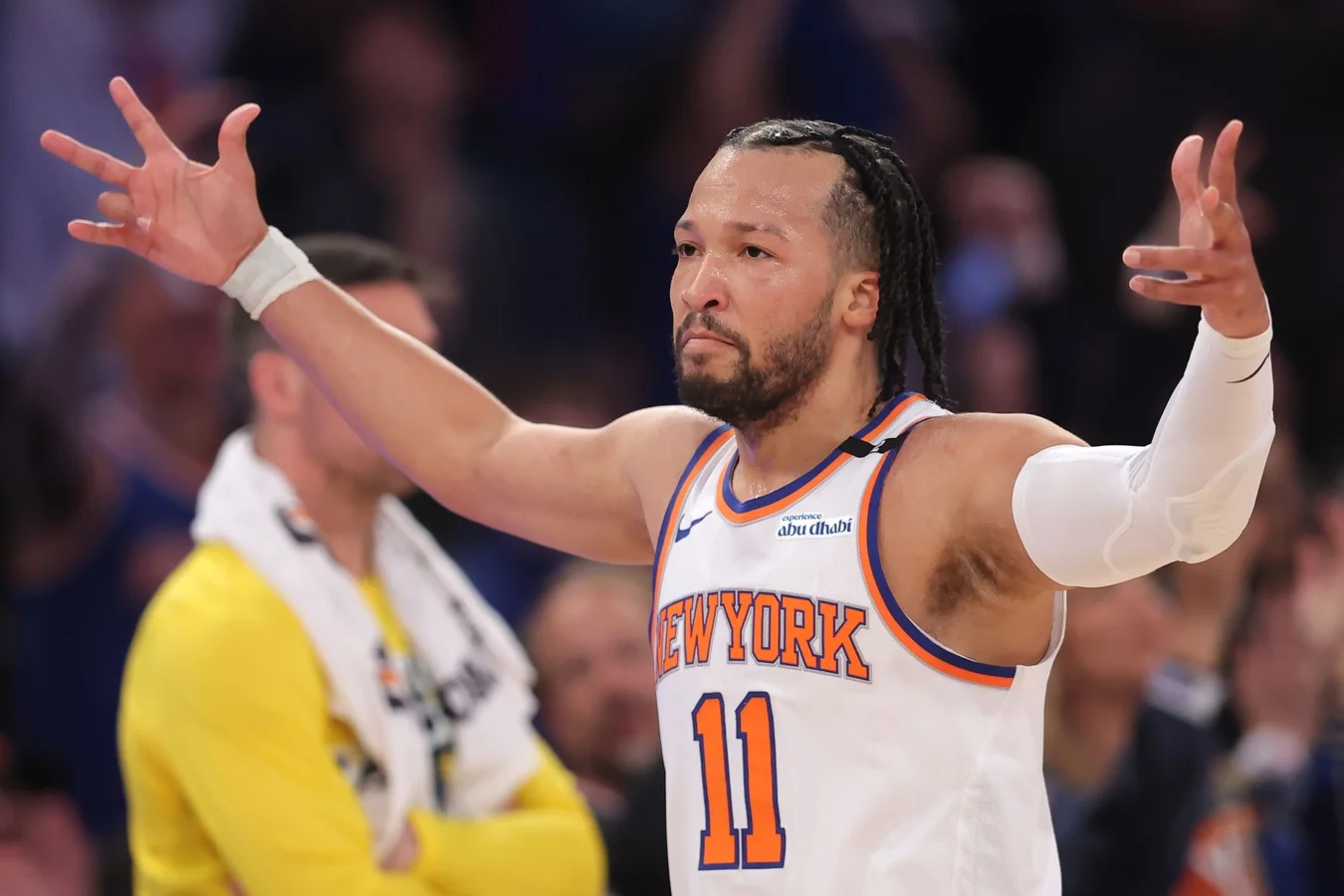
This leap was fueled by aggressive roster moves reminiscent of a cosmic reset, with the Knicks acquiring stars such as Karl-Anthony Towns, OG Anunoby, and Mikal Bridges over the previous 18 months. These acquisitions created a potent, talent-loaded starting lineup that combined physicality and skill, continuously pushing opponents to their limits. Brunson’s contributions stood out, with performances compared to iconic New York basketball moments like “Game 7 Melo,” “Linsanity,” and prime-era Larry Johnson, showcasing his emergence as a franchise cornerstone.
Despite challenges during the regular season, including a winless 0-10 record against teams reaching 60 wins or more, the Knicks demonstrated resilience in the playoffs through gritty comebacks and tough defense. However, the Pacers’ guard Tyrese Haliburton played a decisive role in the series’ conclusion, orchestrating the offense with creative passing, while Pascal Siakam returned to form spectacularly, contributing 34 points from turnovers in the critical Game 6, ultimately ending the Knicks’ postseason run.
Thibodeau’s Coaching Identity Shapes the Knicks’ Fortunes
While some critics continue debating Tom Thibodeau’s sometimes controversial minutes management, his impact on the Knicks is undeniable. Over four seasons, Thibodeau has led the team to four consecutive playoff appearances alongside back-to-back 50-win campaigns, establishing a hard-nosed, defense-first style that resonates with New York’s identity.
Brunson’s robust defense of Thibodeau after the playoff loss was more than just player loyalty—it was a strong message that the Knicks’ rebuild is in capable hands and that the franchise has the commitment necessary to maintain its upward trajectory.
Coach Thibodeau Reflects on Offseason Strategy as Team Faces Key Decisions
In an upcoming offseason filled with questions, Tom Thibodeau spoke about the approaching period as an opportunity for growth, emphasizing preparation and improvement. He stated,
“So for us it’s to use that for motivation and determination to work all summer to prepare ourselves to make the final step and keep improving,”
—Tom Thibodeau, New York Knicks head coach. His remarks suggested a methodical, focused approach to addressing team weaknesses while building on recent successes.
One of the most pressing issues is the uncertain fit of Karl-Anthony Towns. Acquired by trading Julius Randle and Donte DiVincenzo, Towns has yet to fully integrate into Thibodeau’s defensive system. Internal sources revealed tensions caused by Towns’ defensive improvisation, with players and staff frustrated by a lack of communication and consistency on that end of the floor. According to reports,
“Too often, Towns executed incorrect coverages without communicating why he did it,”
—The Athletic source.
With three years remaining on a substantial contract, the Knicks are at a crossroads regarding Towns’ role—whether to continue building around him or consider alternative plans before committing further resources.
Depth Concerns and Salary Cap Challenges Define Offseason Priorities
The Knicks struggled with a historically underutilized bench in the recent season. No NBA team logged fewer bench minutes or produced fewer points from substitutes. This lack of depth proved problematic during crucial stretches, making it difficult to maintain intensity when starters needed rest.
Financially, the team is over the luxury tax threshold with $192.5 million committed to player salaries, reinforcing their status as a win-now roster while limiting flexibility to acquire fresh talent. Addressing the bench and relieving pressure on Jalen Brunson—who has carried scoring, leadership, and defensive responsibilities—will be essential for improving team balance.
Ownership, led by Leon Rose, has publicly supported Thibodeau’s continued tenure as head coach, aligned with Brunson’s commitment to the franchise, signaling continuity in coaching and leadership. This foundation of trust between players, coaches, and management positions the Knicks well for potential growth, assuming they can resolve the Towns situation and strengthen their roster.
Brunson Emerges as the Knicks’ Central Force Moving Forward
Jalen Brunson’s breakout season and his vocal endorsement of Tom Thibodeau highlight his critical role within the team’s ambitions. His all-around excellence on both ends of the floor renders him the emotional and operational core of the Knicks. His leadership throughout the highs and lows of the season has energized the fanbase and established a culture of accountability and belief.
While the team’s playoff run ended prematurely, it has reignited optimism for Knicks basketball’s future. Their style of play and resilient mentality serve as a reminder of what the franchise is capable of when firing on all cylinders.
Brunson’s defiant response to questions about leadership encapsulates the team’s mindset: they are not finished progressing—they are only beginning. For those who doubted Thibodeau, Brunson’s certainty and the team’s recent performance provide compelling reasons to believe the Knicks are headed in the right direction.