
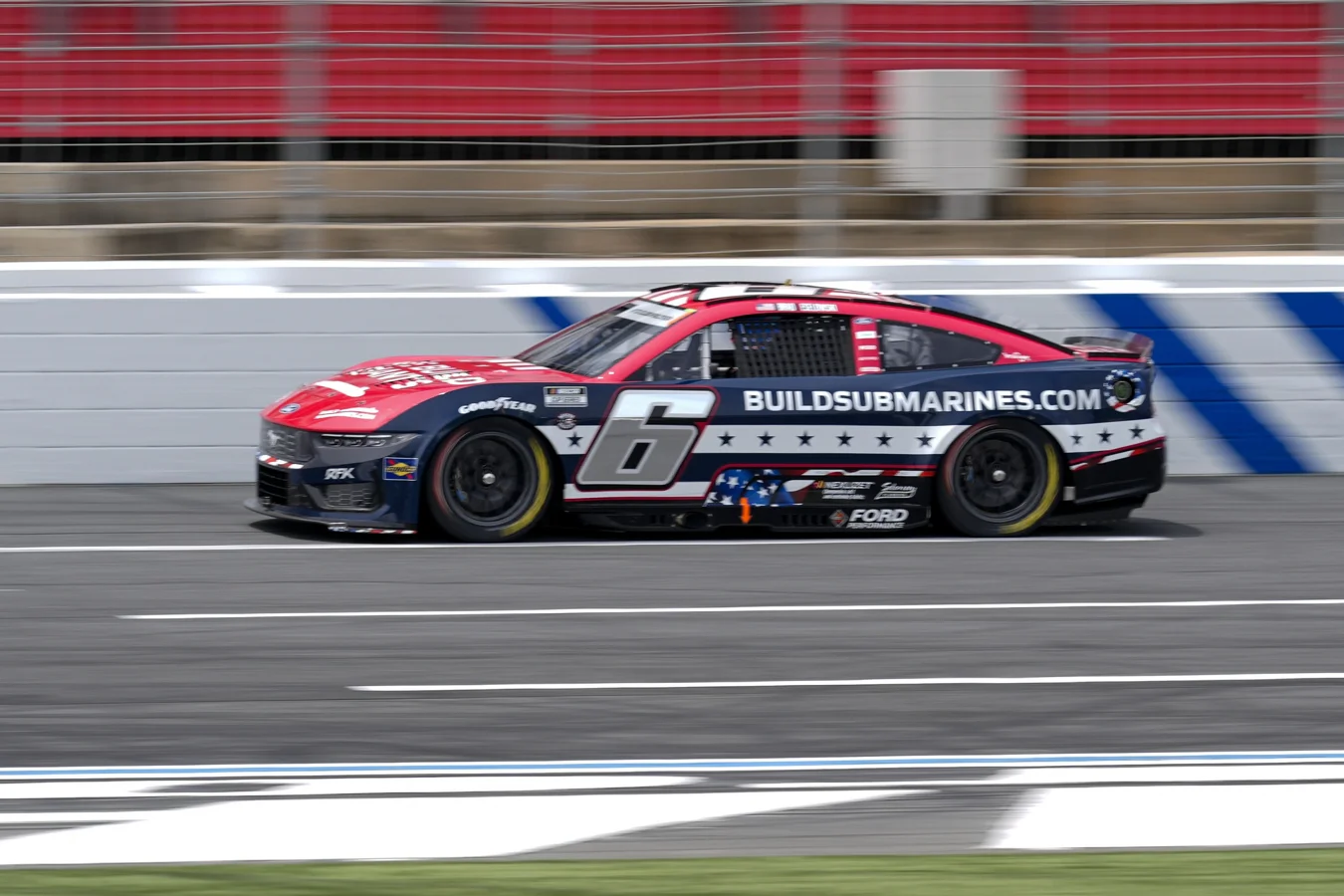

Brad Keselowski, co-owner and driver for RFK Racing, recently criticized the NASCAR rule book for its complexity, likening it to the IRS tax code. Speaking ahead of the NASCAR race in Nashville, Keselowski highlighted the difficulties teams face navigating the detailed regulations amid a challenging 2025 season.
Keselowski currently ranks 32nd in the championship standings, with last weekend’s fifth-place finish in the Coca-Cola 600 marking his first top-five and top-ten result this year. While his own season has been tough, Keselowski’s RFK teammates Ryan Preece and Chris Buescher remain close to the playoff cut line, engaged in a tight points battle.
Inspection Penalties Affecting RFK Drivers
Both Preece and Buescher have dealt with setbacks due to NASCAR’s stringent inspection process this season. After narrowly finishing second at Talladega, Ryan Preece was disqualified because the No. 60 car failed post-race inspection related to the rear spoiler. Meanwhile, Chris Buescher’s No. 17 team was penalized 60 points for a front bumper reinforcement issue discovered after the Kansas race during evaluation at NASCAR’s R&D Center. Although an appeals panel restored half of those points, Buescher still forfeits 30 points, which could impact his playoff positioning.
Keselowski Addresses the Challenges of Complying with NASCAR’s Extensive Regulations
Keselowski defended RFK Racing amid questions about pushing the limits of NASCAR’s rules. He emphasized that understanding the extensive and complicated rulebook is a major responsibility for all teams.
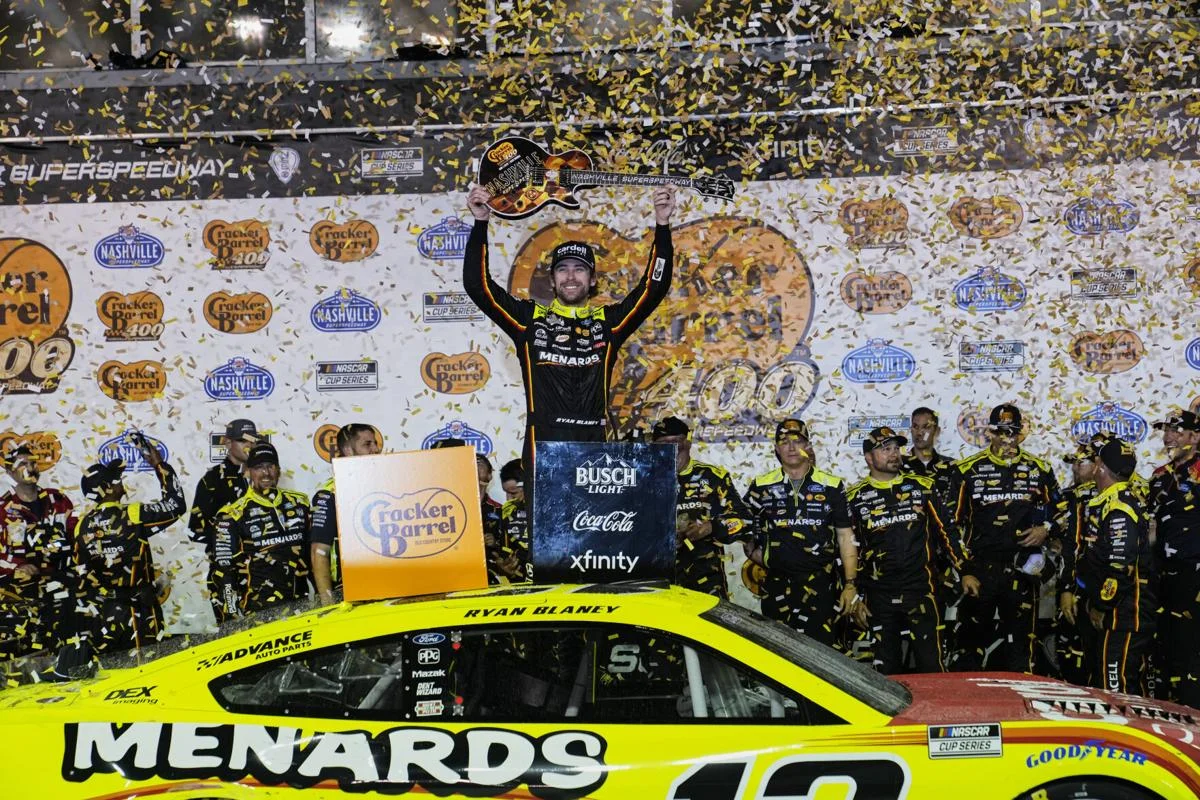
“You have to read this paper and you have to reference this paper, to reference this paper to reference this paper,”
Keselowski said, expressing how layered the regulations are.
He added,
“When you’re head down and digging, running 38 weeks a year, oversights are going to happen. From our perspective, that’s not an excuse, I can’t really speak to other teams and how they handle it. I can speak to ours and we made a small restructuring this week to be better prepared and more mindful of what it takes to be in compliance.”
Keselowski’s comparison of NASCAR’s rules to the IRS tax code underscores the complexity of the sport’s technical guidelines, which have resulted in an unusually high number of inspection failures across all three national series this season. Notably, nine cars have been disqualified post-race, including two winners, reflecting NASCAR’s intensified scrutiny.
Inspection Issues Rise Across NASCAR Teams
Multiple teams have encountered penalties stemming from NASCAR’s rigorous inspection procedures this year. Besides RFK Racing’s challenges, other organizations such as Kaulig Racing have faced consequences, including ejections of crew members for unapproved car adjustments. Meanwhile, Joe Gibbs Racing dominated in Nashville qualifying, with Chase Briscoe earning the pole position and the team sweeping the front row, illustrating the competitive and technical arms race teams are navigating under the current rules.
The heightened scrutiny and complex regulations are forcing teams to adapt operationally and strategically to avoid costly penalties while maintaining on-track competitiveness.
Implications for the 2025 Season and Beyond
Keselowski’s frank assessment of the NASCAR rule book highlights an ongoing tension between technical innovation and regulatory compliance in the sport. As NASCAR continues to impose stricter inspections, teams like RFK Racing must find balance between pushing performance limits and adhering to dense regulations.
Given the season’s competitive playoff battle and increasing enforcement, how teams interpret and follow the rule book will be crucial in determining success. Keselowski’s recent restructuring within his team suggests that RFK Racing is preparing to meet these challenges head-on in the remaining races of the 2025 season.