
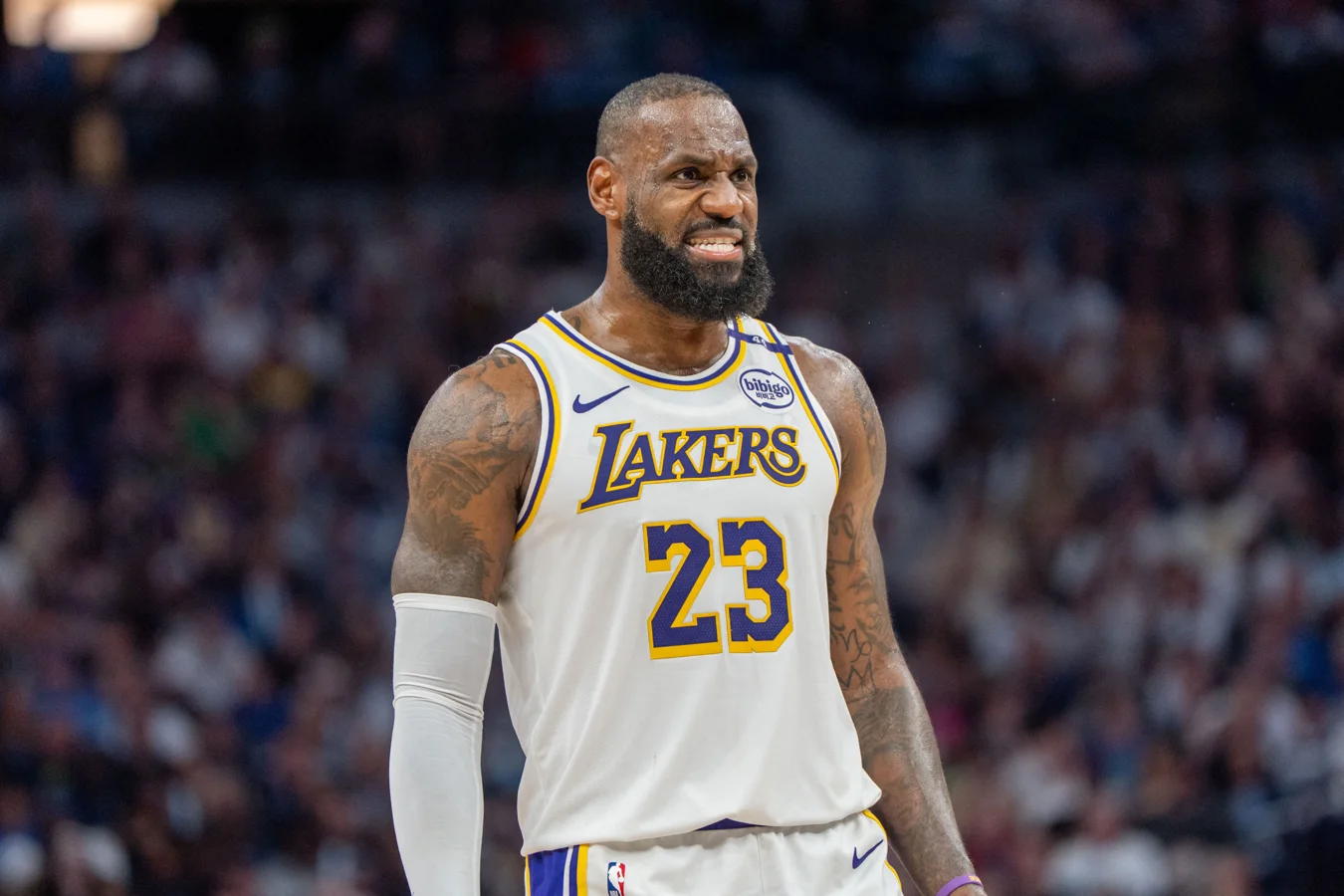

LeBron James recently opened up about how his son Bronny James rarely participates in unstructured outdoor sports, a significant contrast to his own childhood experience. Speaking on his show Mind the Game, the NBA star highlighted the structured nature of sports in his children’s lives, emphasizing how their schedules are dominated by organized activities rather than casual play.
During a discussion with Steve Nash and Luka Doncic, Nash asked whether Bronny and his other son, Bryce, often visit the park to play freely with friends. LeBron’s response was straightforward: “Very rarely.”
They did play outside a little bit. But most of it is indoors and programmed.
—LeBron James, NBA Player
How Structured Sports Have Replaced Unplanned Playtime
LeBron explained that although his family lives in places like South Florida and Southern California, where the weather allows for year-round outdoor activities, his children’s athletic experiences are mostly shaped by organized sports with dedicated trainers and strict schedules. This demanding routine leaves little time for the kind of spontaneous play that LeBron enjoyed growing up in Northeast Ohio.
He reflected on his own diverse sports background, recalling how he and his friends tried multiple sports during their youth.
“We tried all sports … even track and field,”
LeBron said.
“We played football all the way through high school. We didn’t just cap it at one thing.”
Concerns Over Early Specialization and Athletic Burnout
LeBron expressed concern that today’s young athletes may suffer from focusing on only one sport too early, unlike his generation, which benefited from variety and exploration. He warned of the risks associated with early specialization, noting that it might lead many kids to lose interest prematurely.
A lot of kids just burn out with one thing now,
—LeBron James, NBA Player
This shift away from diverse sports participation points to a broader change in how young athletes are raised today, even for children of high-profile sports figures like LeBron. Though Bronny and his siblings excel in their respective fields, LeBron’s comments reveal a desire for them—and other children—to have more freedom to experiment with different sports and enjoy unstructured playtime.
The Broader Impact and Future Implications
LeBron James’s reflection offers a rare glimpse into the challenges faced by the children of professional athletes, where structured training can overshadow the carefree nature of childhood sports. His perspective suggests that the trend toward early specialization might affect athletic development and personal enjoyment, sparking discussion about how youth sports programs should balance rigor with recreational freedom.
As Bronny James continues to develop as a promising athlete, this conversation may influence how coaches, parents, and sports organizations rethink youth training approaches to foster both skill and long-term passion for sports.