

NASCAR is revisiting the topic of increasing horsepower in the Cup Series’ short track package, generating renewed interest among drivers and fans eager for more excitement. Recently, Christopher Bell addressed the topic, cautioning the NASCAR community to keep expectations measured amid ongoing talks about boosting engine performance.
The discussion gained momentum when Elton Sawyer, NASCAR’s senior vice president of competition, revealed efforts to explore possible horsepower enhancements. Sawyer explained,
It’s on the table. Working closely, I know John Probst [senior vice president of innovation and racing development] had a conversation with our engine builders to see what we could do, how that would look, and what changes would need to be made.
This tentative announcement suggests potential improvements for the short track package, though Bell emphasizes these changes would be limited in effect.
Insight from Christopher Bell on Next-Gen Car Horsepower Prospects
Mike Forde, NASCAR’s managing director of communications, reinforced the dialogue during the Hauler Talk podcast, stating,
It was something we proactively brought up to have a further discussion of improving the short-track package. Obviously, the drivers all embraced that topic and requested more and more horsepower.
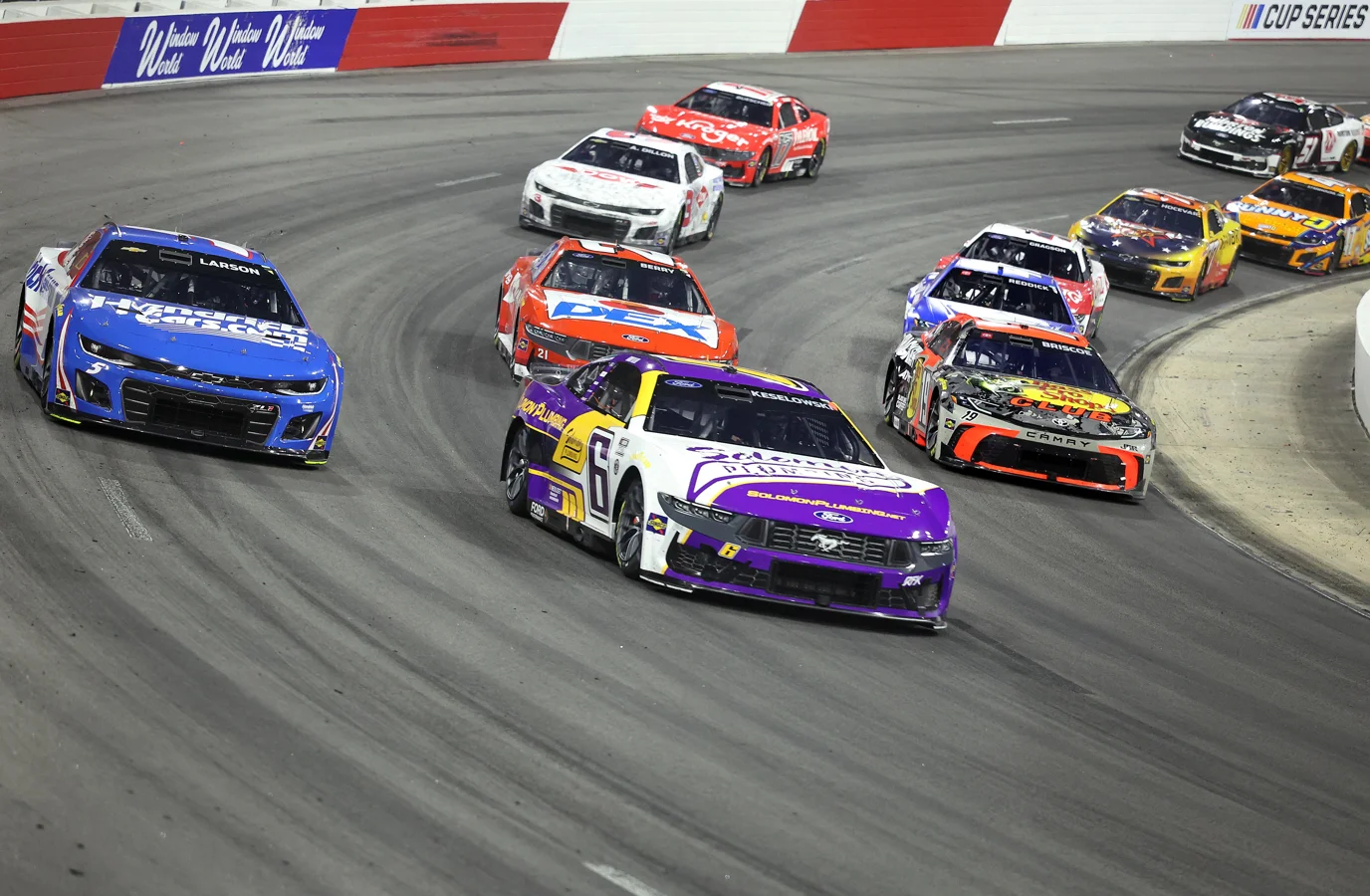
The current short track package has faced criticism for limiting overtaking opportunities. For instance, during the most recent race at Bristol Motor Speedway, the lead position changed hands only four times, with Kyle Larson dominating by leading 411 laps.
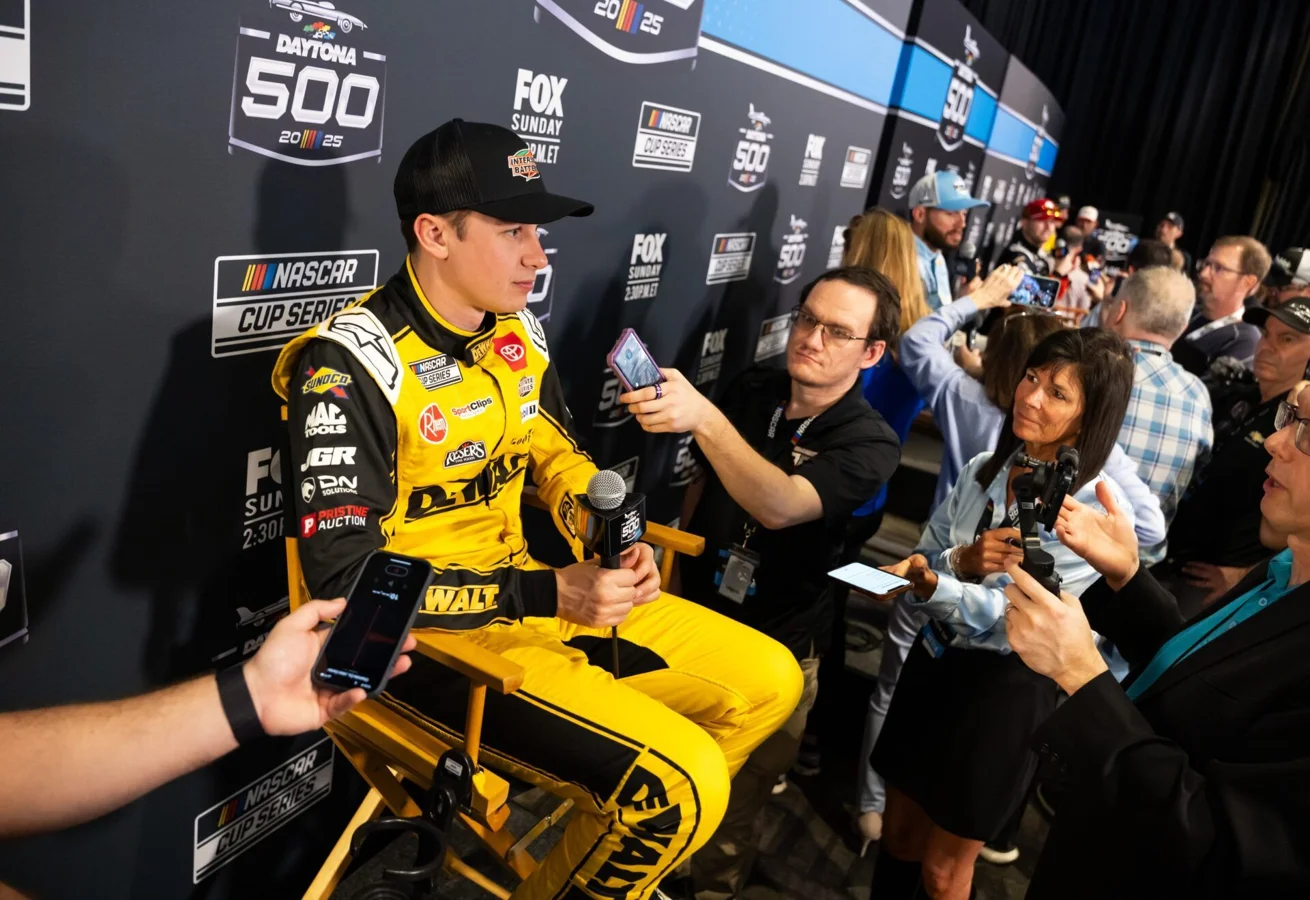
Increasing horsepower aims to enhance passing ability, a development Bell supports, while urging fans to temper their expectations.
Bell remarked,
Everyone needs to taper their expectations. Is more horsepower going to make us pack race at a short track? No, it’s not going to make us pack race at a short track. But more horsepower will allow the better cars to move through the field. And passing should be easier with the horsepower.
He clarifies that increased power will not transform short track racing into the type of pack racing commonly seen at Superspeedways, where cars race in tight groups at top speeds. Moreover, the next-gen car experiences high aerodynamic drag in such scenarios, limiting performance.
Potential Impact of Horsepower Growth on Racing Dynamics
While an increase in horsepower might not fully address challenges inherent in the spec car’s design, it could improve the leader’s ability to maneuver through traffic and enable more competitive challenges for the top spot. This may lead to more frequent position changes and a livelier race experience.
Bell also notes that opinions on what constitutes a good race vary widely among audiences. He explained,
The fan base’s perception of a good race is sometimes different than what the industry and the drivers feel is a good race. So whenever we talk about wanting more horsepower, I think it stems from a place of wanting to be able to pass better,
Ultimately, this ongoing discussion highlights a balance between enhancing competition and managing the limitations of the current car package.
The exact scale of any horsepower increase remains uncertain. The current short track package delivers 670 horsepower, leaving questions about whether NASCAR will return to earlier levels around 900 horsepower. The coming months and further developments will determine the direction NASCAR ultimately takes.