
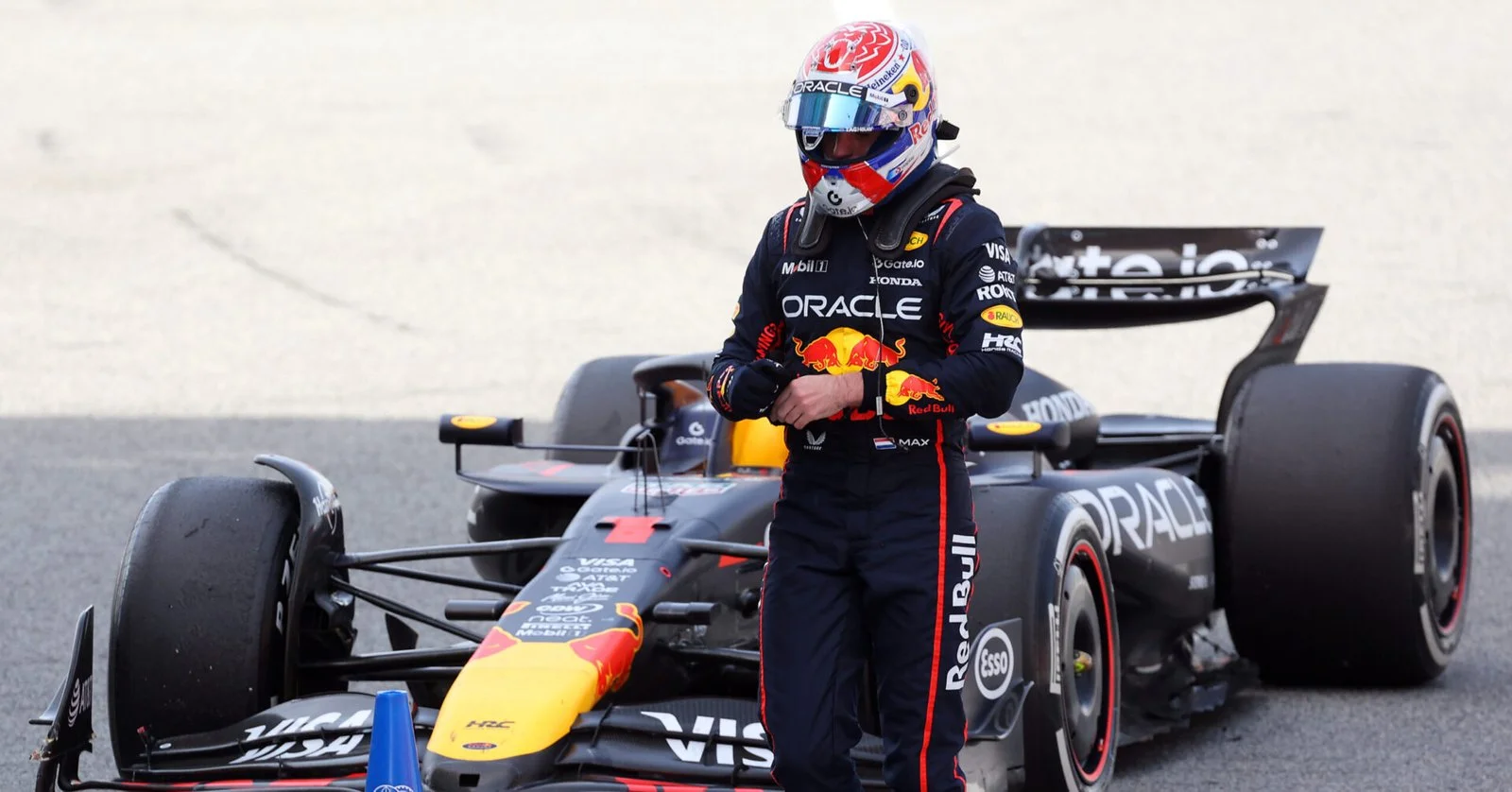

Max Verstappen’s involvement in a collision with George Russell at the 2025 Spanish Grand Prix has ignited controversy, with the four-time world champion receiving a 10-second penalty and three penalty points from the stewards. This penalty dropped Verstappen to 10th place in the Barcelona race standings and brought him dangerously close to a race ban, as he now holds 11 penalty points within a 12-month span, with his next points expiring only after the Austrian Grand Prix in late June.
The incident and subsequent penalty have prompted heated debate among experts and fans alike about whether the punishment was sufficient, too harsh, or perhaps indicative of larger issues within Formula 1’s stewarding system. The
“Max Verstappen Spanish Grand Prix penalty controversy”
continues to dominate headlines as the motorsport community weighs the implications of the stewards’ decision.
The Responsibility of a Champion and the Argument for a Harsher Penalty
Stuart Codling argues that Max Verstappen, as a leading figure in Formula 1, carries the responsibility to set a positive example for current and future generations of drivers. He emphasizes that Formula 1 is widely regarded as the ultimate form of motorsport, earning a massive global audience and the aspirations of countless racing hopefuls. Drivers like Ayrton Senna and Michael Schumacher have long been models of racing etiquette, and Verstappen, as a four-time world champion, should uphold similar standards both in skill and conduct.
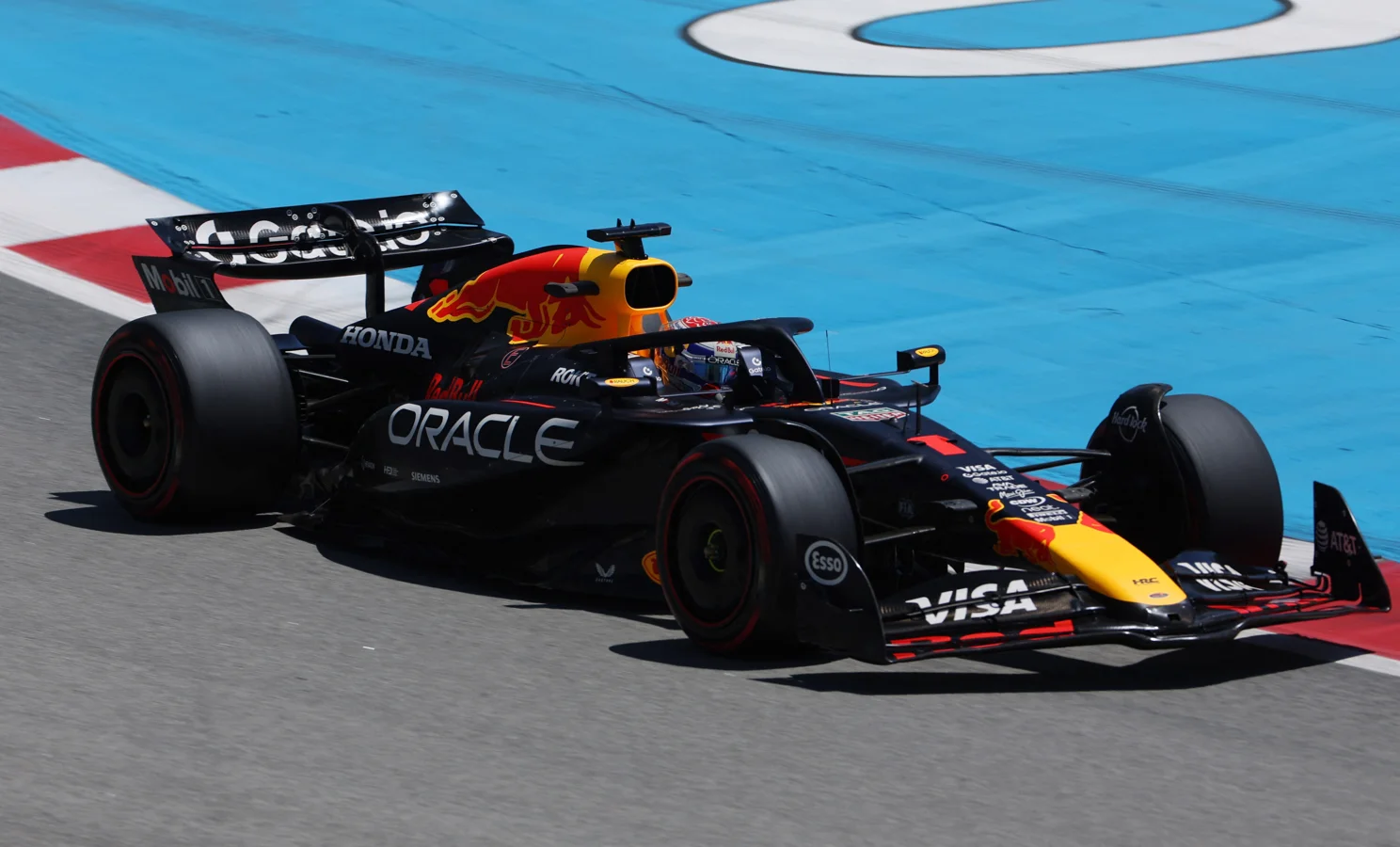
Codling condemns Verstappen’s deliberate collision with Russell in frustration, saying such actions are
“not just petulant, for a driver of Max’s status it is rather pathetic.”
He draws parallels to a past incident where Dan Ticktum received a suspended two-year ban for intentionally crashing another driver during a lower-tier race, underscoring the potential danger of using racing vehicles as weapons. Since racing cars hold immense kinetic energy, any collision in anger endangers not only the drivers but also track marshals and spectators.
In this context, Codling insists that the 10-second penalty imposed on Verstappen was far too lenient considering the severity and recklessness of the move.
Examining the Incident: Why Some See Grounds for Doubt
Jake Boxall-Legge presents a more nuanced view, stressing the complexities of the crash and the difficulty in proving malicious intent. Review of footage suggests Verstappen slowed down after Turn 4 to allow George Russell past, possibly even attempting to concede the position following the earlier lap. Tottenham Wolff, Mercedes’ team principal, reportedly mistook Russell’s reduced pace for a mechanical issue, highlighting the uncertainty surrounding the events.
Boxall-Legge details telemetry data indicating Verstappen braked three times to facilitate Russell’s overtake, only to accelerate as Russell approached Turn 5. The data shows Verstappen braking later than Russell for the corner and appearing to adjust his line outward. While there might have been a brief instance where Verstappen exceeded ideal speed entering the corner, the collision appeared more accidental than deliberate.
He compares this to a well-known 2017 incident between Sebastian Vettel and Lewis Hamilton in Baku, where Vettel received a 10-second stop/go penalty. Boxall-Legge believes a similar time penalty would have been fairer for Verstappen, stopping short of disqualification due to reasonable doubt over intent.
Reflecting on Stewarding Challenges and the Need for Thoughtful Measures
Oleg Karpov highlights the difficulties stewards face in making decisions that satisfy a passionate fan base and maintain safety and fairness. With social media’s influence, any ruling risks harsh backlash or even threats, making impartial judgment nearly impossible to please everyone. Karpov refrains from taking a definitive stance but stresses the importance of addressing such behavior thoughtfully.
He points out that Verstappen’s conduct—causing a collision out of frustration—sets a poor example due to his status as a sporting icon and world champion admired by many. While heat-of-the-moment lapses happen across sports, athletes and officials must ensure corrective actions prevent the normalization of reckless behavior.
Karpov suggests this type of incident may benefit from further assessment beyond immediate race penalties, perhaps including community service or collaboration with race officials, akin to Verstappen’s prior work with Formula E stewards. Such measures could better manage the consequences and reinforce the importance of sportsmanship over raw competitiveness.
The Case for a Stronger Consequence to Foster Self-Reflection
Michael Banovsky takes a critical view of the stewards’ relatively mild penalty, deeming the behavior “alarming” for a reigning world champion. He questions whether Formula 1 should tolerate an elite driver’s clear loss of control, likened to “road rage,” which risks safety and fair competition.
Banovsky suggests that disqualification would have been appropriate, providing Verstappen an opportunity to reflect on the root causes of the incident and recalibrate his approach. With the incident stirring widespread reaction from fans, drivers, team members, and pundits, Banovsky believes the FIA should recognize the situation’s significance beyond just race results.
He acknowledges that such controversial stewarding decisions can enhance audience engagement but warns against normalizing dangerous behavior for the sake of drama. As Verstappen sits on the brink of a potential race ban due to accumulating penalty points, the incident spotlights his momentary lapse in judgment and highlights the tension between racing aggression and responsibility.
What This Means for Formula 1 Moving Forward
The collision at the Spanish Grand Prix and the ensuing penalty decision underscore ongoing challenges in Formula 1’s disciplinary process. Verstappen’s case raises pressing questions about how the sport balances competition intensity with clear codes of conduct, particularly for its most prominent competitors. The fine line between racing aggression and recklessness continues to fuel debate among experts and fans while influencing stewarding policies.
With Verstappen only one penalty point shy of a race ban and the next review point not until after the Austrian GP, the consequences of this incident may shape the remainder of his championship campaign. The FIA and stewards are likely to face increased scrutiny over consistency and transparency in their rulings, especially when reviewing similar incidents going forward.
Formula 1’s governing body must carefully consider whether further sanctions beyond time penalties, such as community service or dedicated education with stewards, might better safeguard the sport’s integrity and safety. More importantly, Verstappen’s reflection on his conduct could influence his future driving decisions, potentially averting further controversy and aligning his actions with his standing as a world champion and role model.