
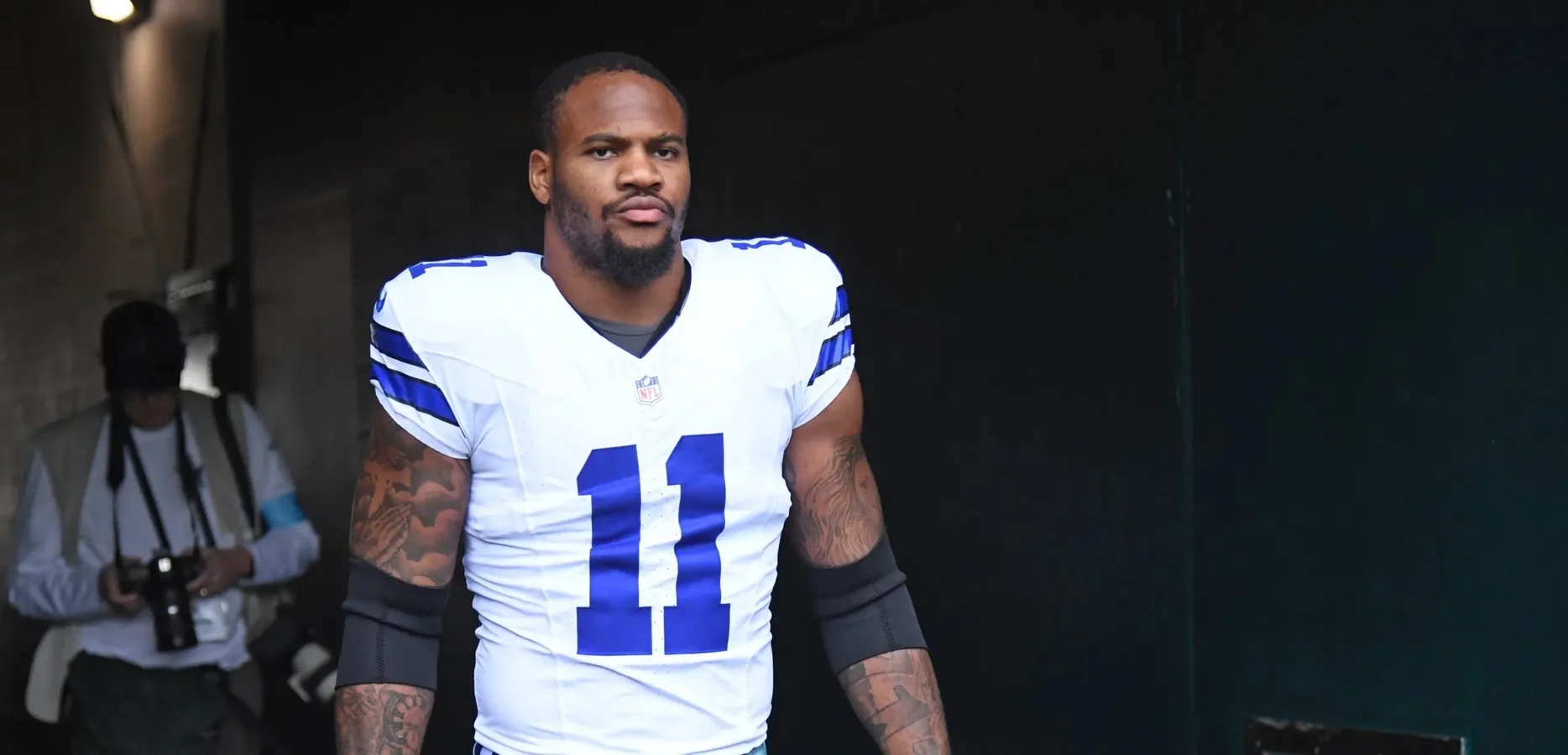

The contract negotiation involving Micah Parsons and the Dallas Cowboys has escalated into a high-stakes situation that could influence the team’s future success. This intense standoff centers on financial decisions and timing, as both parties weigh the potential impacts ahead of the upcoming NFL season.
The Increasing Cost of Postponed Contract Talks
The Cowboys face mounting pressure from delaying Parsons’ contract extension, a move that has grown costlier as time passes. If the team had initiated talks earlier, they could have secured Parsons at a much lower annual salary. Current projections estimate the contract near $40 million per year, a figure influenced by recent contracts like those of Myles Garrett with the Browns and T.J. Watt with the Steelers, who have set new benchmarks for defensive players. This delay raises concerns that Parsons might hold out, which would compromise his preparation and availability for the season.
Jerry Jones’ Role in the Stalemate
Cowboys owner Jerry Jones is often seen as a key figure behind the prolonged contract deadlock. His reluctance to promptly finalize agreements with essential players has been linked to the team’s struggle to reach NFC Championship games in recent decades. Some observers speculate that Jones may be consciously allowing this negotiation to drag on, perhaps to keep focus on the unresolved contract drama rather than secure quick stability for the team.
The Expected Outcome and Timing
Despite current difficulties, a resolution granting Parsons a record-breaking deal appears inevitable. However, when this agreement occurs is critical. Quickly finalizing the contract would reduce distractions and enable Parsons to fully contribute at the start of the season, strengthening Dallas’s defense from day one.
Broader Lessons from the Contract Standoff
This situation highlights the challenges NFL teams face as they balance salary management with the need to retain elite talent. How the Cowboys handle Parsons’ contract could influence the team’s roster strategies going forward, potentially shaping Dallas’s competitiveness for years. The negotiations illuminate the fine line between fiscal caution and aggressive talent retention in a league that demands excellence.