
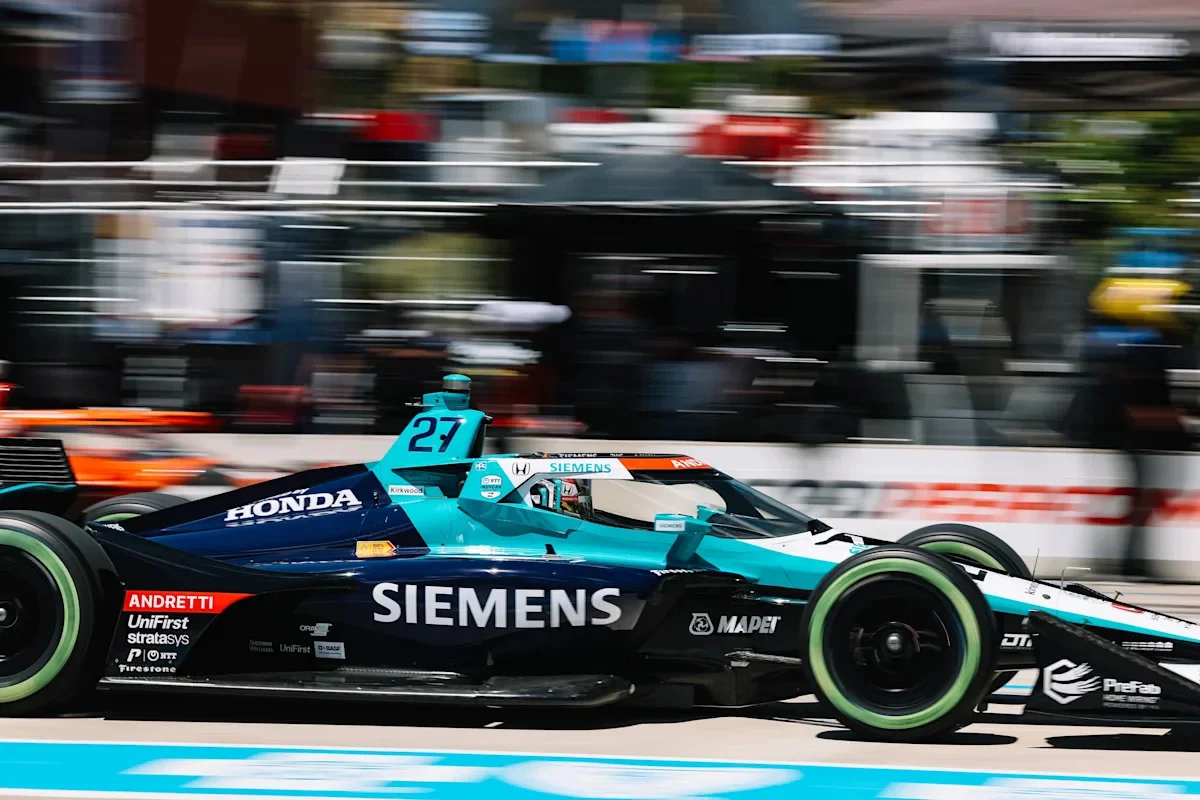

Arrow McLaren driver Pato O’Ward expressed strong criticism of the Detroit IndyCar street circuit following the 2025 Detroit Grand Prix weekend. Reflecting on his experience, the Mexican racer described the event as his worst performance in IndyCar, despite finishing within the Top 10.
The Detroit GP takes place on a 1.6-mile street circuit along Jefferson Avenue near the Detroit River. Known for its tight and bumpy layout, the track includes a long back straight and nine slow, 90-degree corners, creating a challenging environment marked by frequent crashes and caution periods.
O’Ward’s Struggles on Detroit’s Challenging Street Course
Pato O’Ward faced difficulties throughout the 2025 race weekend, starting with mixed practice results and a disappointing qualifying session. After opening practice in seventh place, he failed to crack the Top 10 in the second session. Qualifying proved even more problematic, as O’Ward was eliminated in the first round and took the start from 18th position.
The driver described the Arrow McLaren’s lack of speed on the Detroit circuit as a major issue. The circuit’s bumps unsettled the car, forcing heavy braking that led to lock-ups and incidents for many drivers. These factors contributed to a frustrating weekend for O’Ward. Speaking to FOX after the race, he openly criticized the event and track conditions.
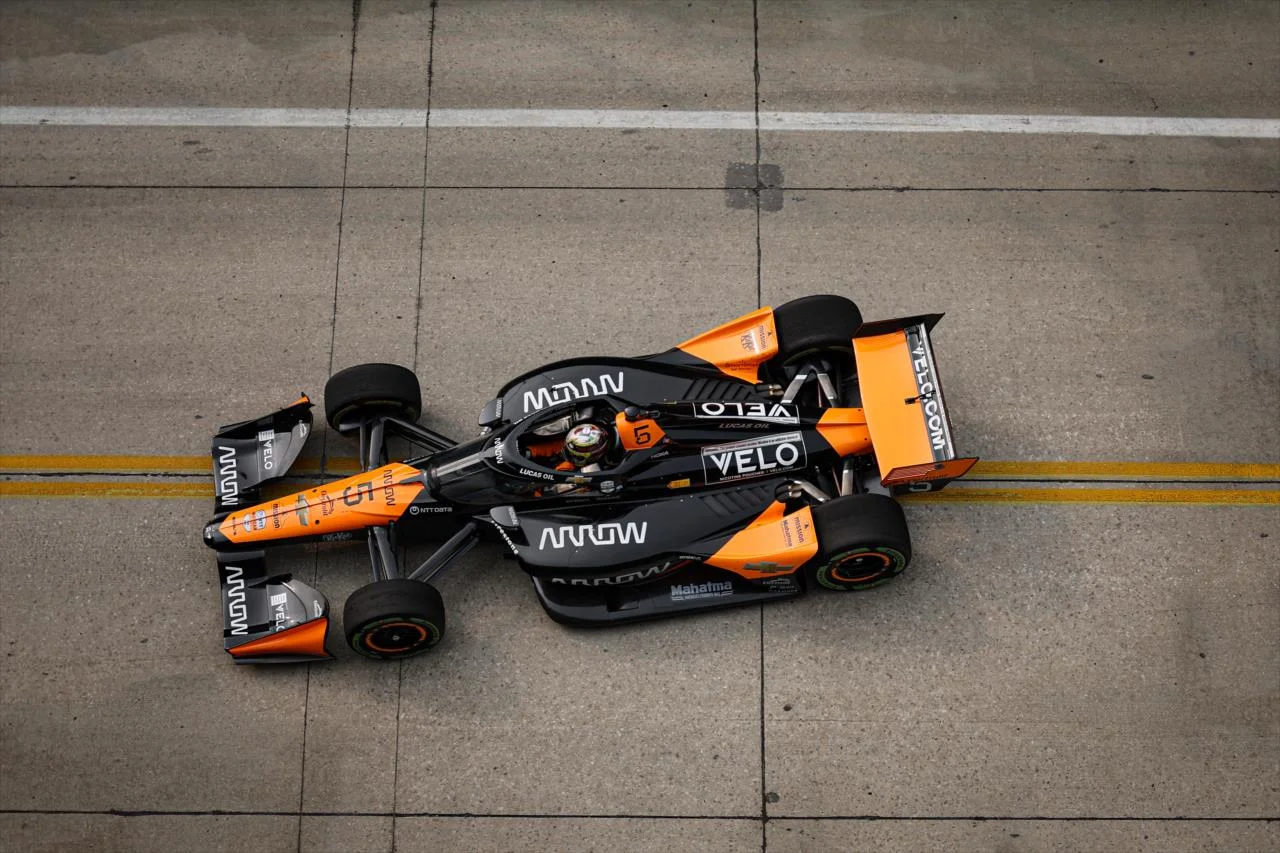
“It’s been the worst performance weekend I’ve probably ever had in IndyCar. We legit qualified 18 just on pure pace. We’ve had others the times where we’ve been back there, but it’s always been because of an issue or made a mistake here and there, but this one was truly that’s where we deserve to be.” —Pato O’Ward, Arrow McLaren driver
“It’s been a very frustrating weekend. You guys know, I don’t sugarcoat it, I hate this place. It sucks. It’s a horrible track. I really miss Belle Isle. You get to really appreciate what an IndyCar can do in Belle Isle. Here, you’re just Mickey mousing around the whole time. It’s just been very challenging. So I’m glad that it’s over.” —Pato O’Ward, Arrow McLaren driver
Race Recovery and Final Result Amidst a Chaotic Event
Despite a difficult start, O’Ward gradually climbed through the field during the race by capitalizing on overtakes and strategic pit stops. The frequent caution flags and retirements throughout the event also played a role in improving his position. At one point, he even led the race for three laps after the leaders pitted for fresh tires, showing flashes of strong racecraft amid a tough weekend.
Ultimately, O’Ward managed to finish seventh, salvaging points after a performance he described as far from his best. While the result offered some consolation, the overall experience left him frustrated due to the lack of pace and the circuit’s unforgiving nature.
Why Detroit’s Circuit Draws Mixed Reactions from Drivers
Detroit’s street circuit has a reputation for delivering unpredictable and intense races, partly due to its tight layout and surface bumps. While this leads to exciting moments and high drama for fans, many drivers find the track difficult and less satisfying to race on due to the constant challenge of navigating slow corners and bumps that disrupt car stability.
Pato O’Ward’s disparaging comments underscore the ongoing debate about the circuit’s suitability for IndyCar competition. His comparison of Detroit to Belle Isle—where he believes drivers can better showcase IndyCar capabilities—highlights a desire among some drivers for more driver-friendly venues.
As the 2025 IndyCar season progresses, attention may return to finding a balance between demanding street circuits and tracks that allow drivers to fully demonstrate their skills without excessive frustration. How organizers and teams address such concerns could shape the future scheduling and format of the Detroit Grand Prix and similar events.