
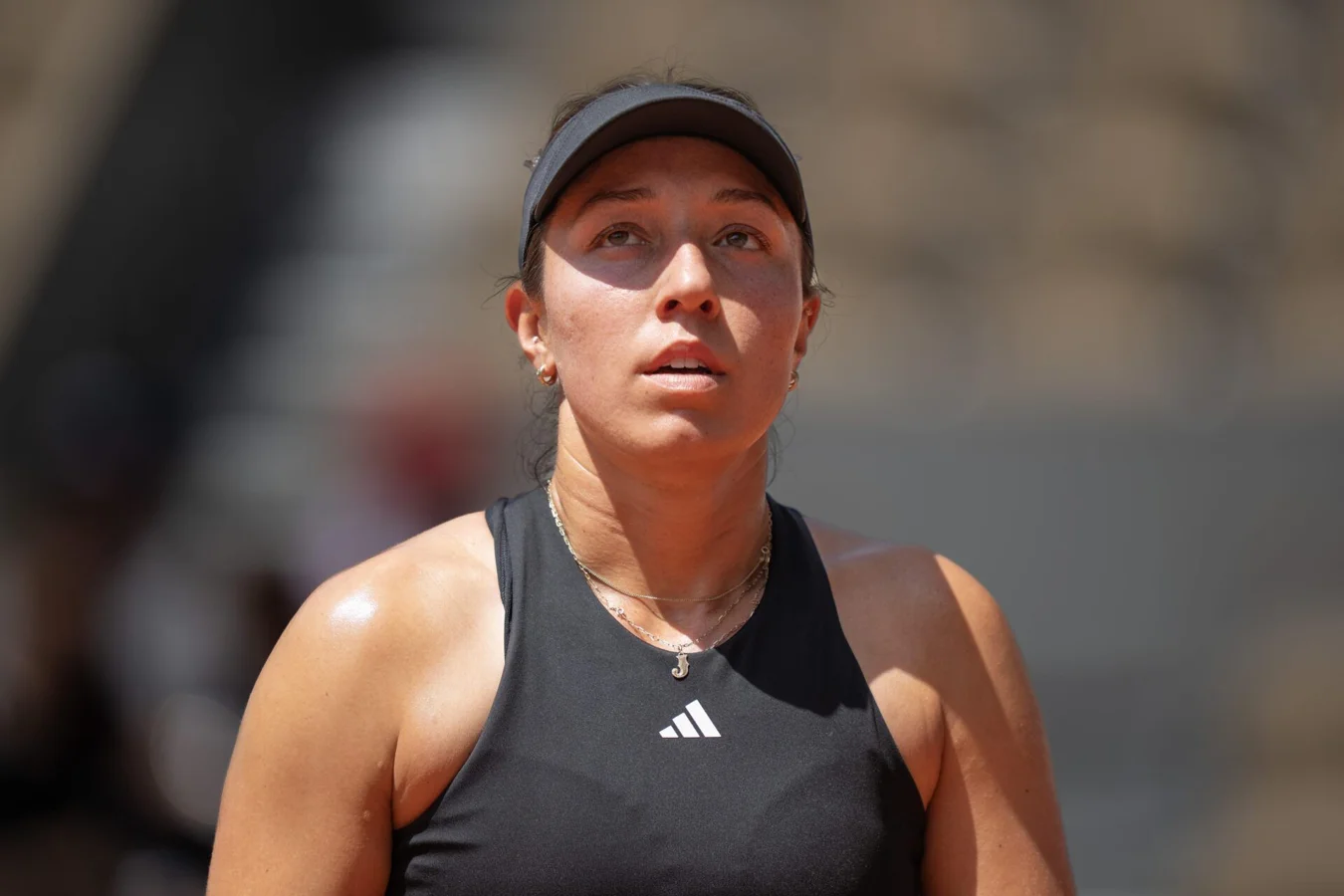

Jessica Pegula suffered a surprising defeat at the French Open, losing to world number 361 Lois Boisson in a tightly contested match. The American, seeded third at the clay-court Grand Slam in Paris, fell 3-6, 6-4, 6-4 in the fourth round, signaling an early exit from the tournament. Despite this, Pegula expressed appreciation for the supportive French crowd during the match against the home favorite.
Tim Henman praised Boisson’s achievement, describing the victory as “special,” with the French player advancing to face Mirra Andreeva in the quarter-finals. Pegula now departs Roland Garros after a disappointing performance which further intensified discussions about the demanding tennis calendar in 2024.
Pegula Voices Concerns Over Lengthy Two-Week WTA 1000 Events
Following her defeat, Jessica Pegula addressed the media to share her perspective on the expanding duration of WTA 1000 tournaments, particularly those that now stretch over two weeks. She identified the extended format as challenging for players, noting the cumulative effect of consecutive long events throughout the clay season.
I am not a fan of the two-week tournaments,
Pegula said. She explained how these extended schedules significantly lengthen the tennis season, stating,
“Grand Slams are already really long and so now it’s two weeks Madrid, two weeks Rome and then two weeks here.”
She acknowledged that being successful can make the long weeks pass more quickly but emphasized the difficulties when eliminated early in a tournament and forced to wait before playing again. Pegula described the experience as feeling like “groundhog day,” with travel and training routines becoming repetitive and taxing.
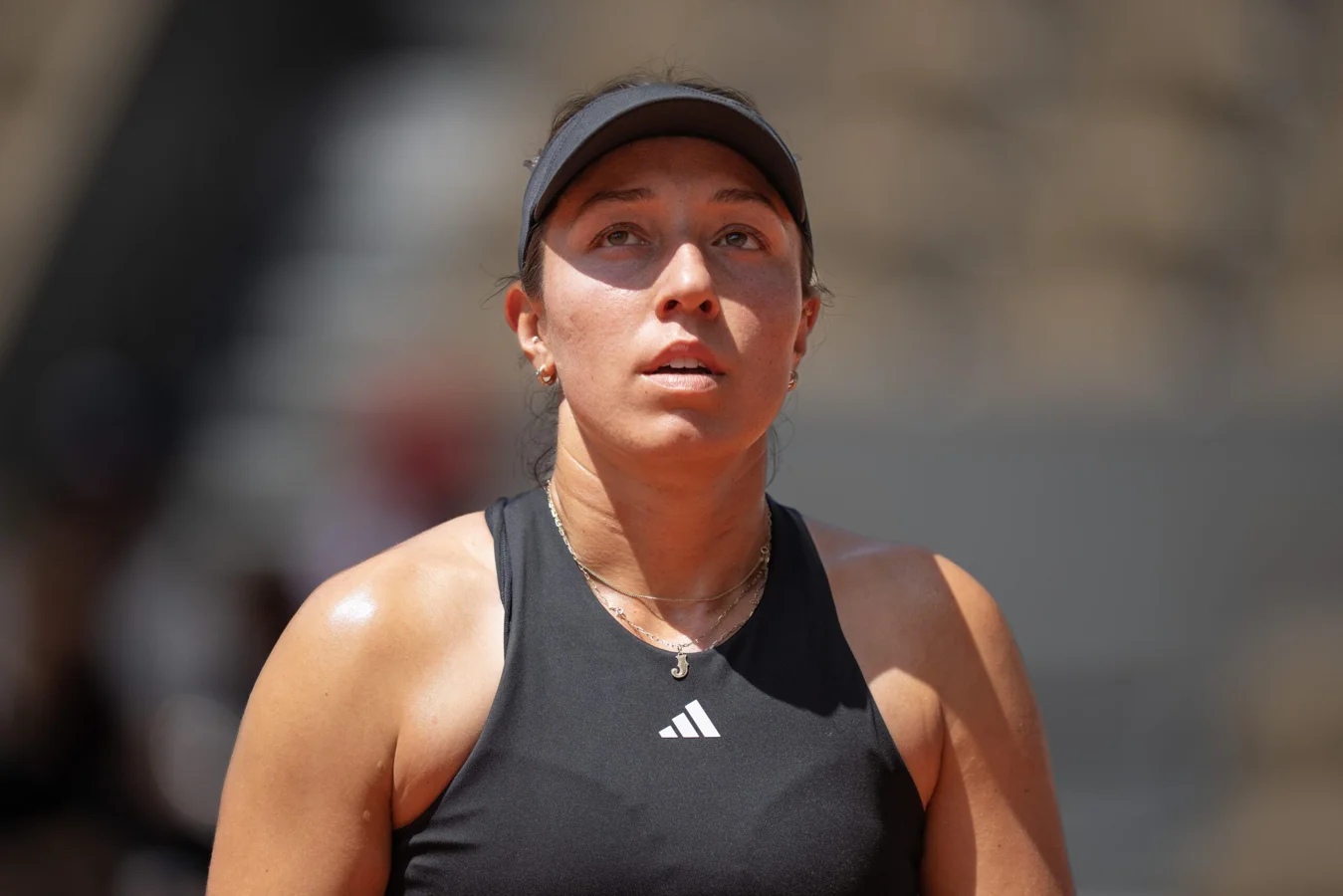
Reflecting on her own results, she cited a tough year so far, with less-than-ideal outcomes in Madrid and Rome. Pegula added,
I won some matches but the weeks in between get kind of long, which is why I played Strasbourg. But it’s a tough kind of stretch for the Americans for sure.
Novak Djokovic’s Similar Views on ATP Masters 1000 Scheduling
The tennis calendar features 10 WTA 1000 events, with notable tournaments like Montreal and Cincinnati now lasting 12 days. These longer tournaments are part of a broader trend following Indian Wells, Miami, Madrid, Rome, and Beijing, while other events like Doha, Dubai, and Wuhan remain one week in length.
Tim Henman has expressed that players would prefer an eight-day format for Masters 1000 events, though any such modifications are uncertain at present. Jessica Pegula’s apprehensions align closely with those of Novak Djokovic, who commented on the ATP Masters 1000 schedule during the 2023 Italian Open.
Djokovic highlighted the challenges posed by these prolonged tournaments, particularly given the already demanding schedule of four Grand Slams each year. He noted that players can spend 10 to 12 weeks just competing in Grand Slams when including training and recovery periods.
While acknowledging that fans benefit from seeing more tennis action in their cities, Djokovic expressed reservations about the overall impact on players’ stamina and recovery. He observed that the extended schedule can be advantageous in terms of recovery during individual tournaments but problematic when stretched across successive events.
But then if you play all the big events on clay, for example, you played Indian Wells and Miami, that is also kind of a month duration for two events, then you play Monte-Carlo, Barcelona, then back to back Rome and Madrid, if you play really well and go all the way, you’re maybe not the freshest for Roland Garros.
—Novak Djokovic
Implications of the Extended Tennis Season on Players
The lengthening of top-tier tennis tournaments presents growing challenges for players managing physical endurance and consistent performance across consecutive events. The two-week format requires athletes to maintain peak condition over extended periods, with little downtime between demanding competitions.
This schedule impacts player recovery and preparation, particularly during the gruelling clay-court season leading up to major Grand Slams like Roland Garros. For players like Pegula and Djokovic, the increasing tournament duration contributes to a more exhausting calendar, raising questions about the sustainability of current formats.
Experts and commentators, including Tim Henman, suggest that a reduction to an eight-day tournament could better balance player welfare with fan engagement, though no immediate changes seem likely. As key figures like Jessica Pegula and Novak Djokovic continue to highlight these concerns publicly, the tennis world remains watchful for potential adjustments in future seasons.