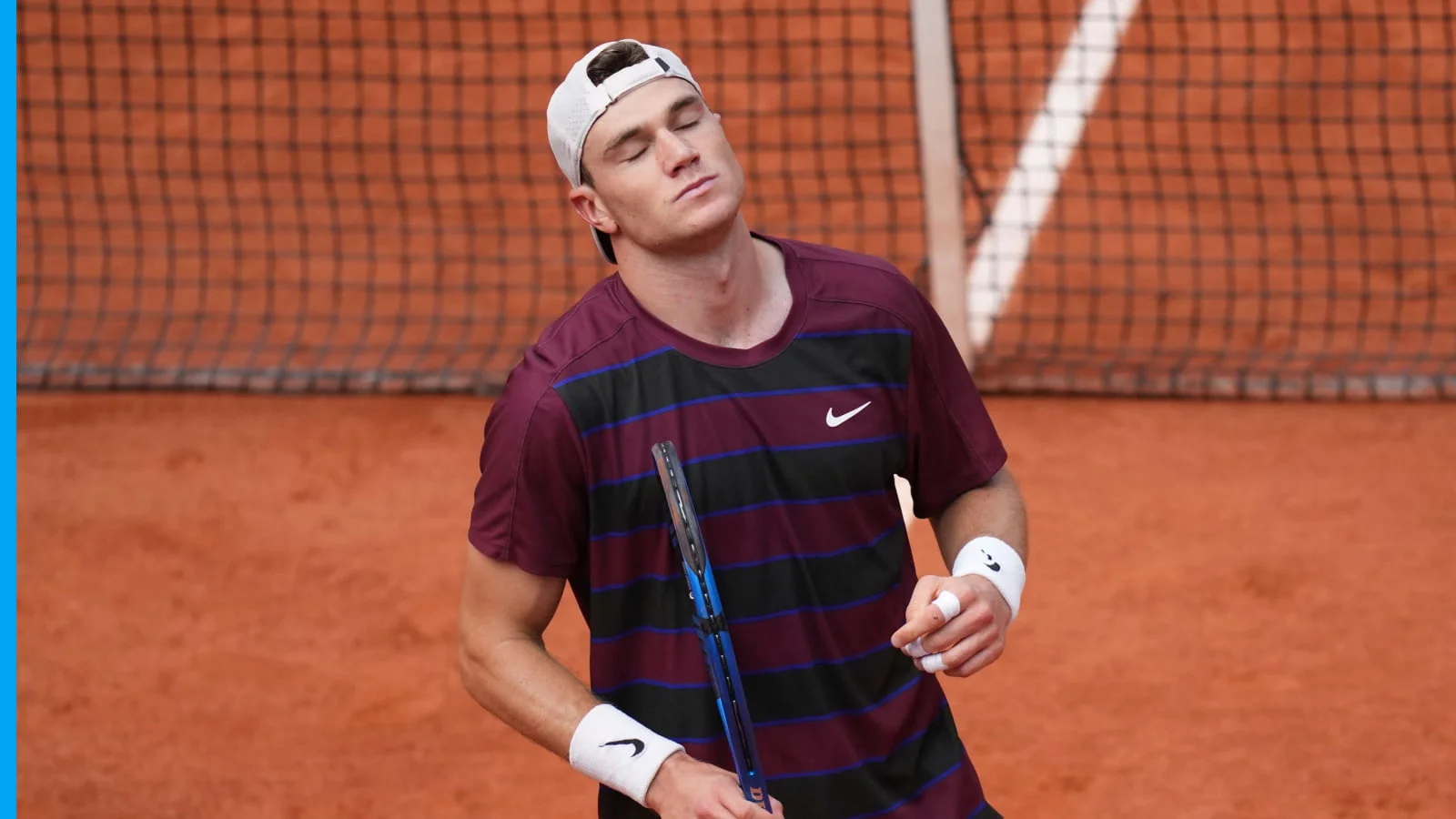
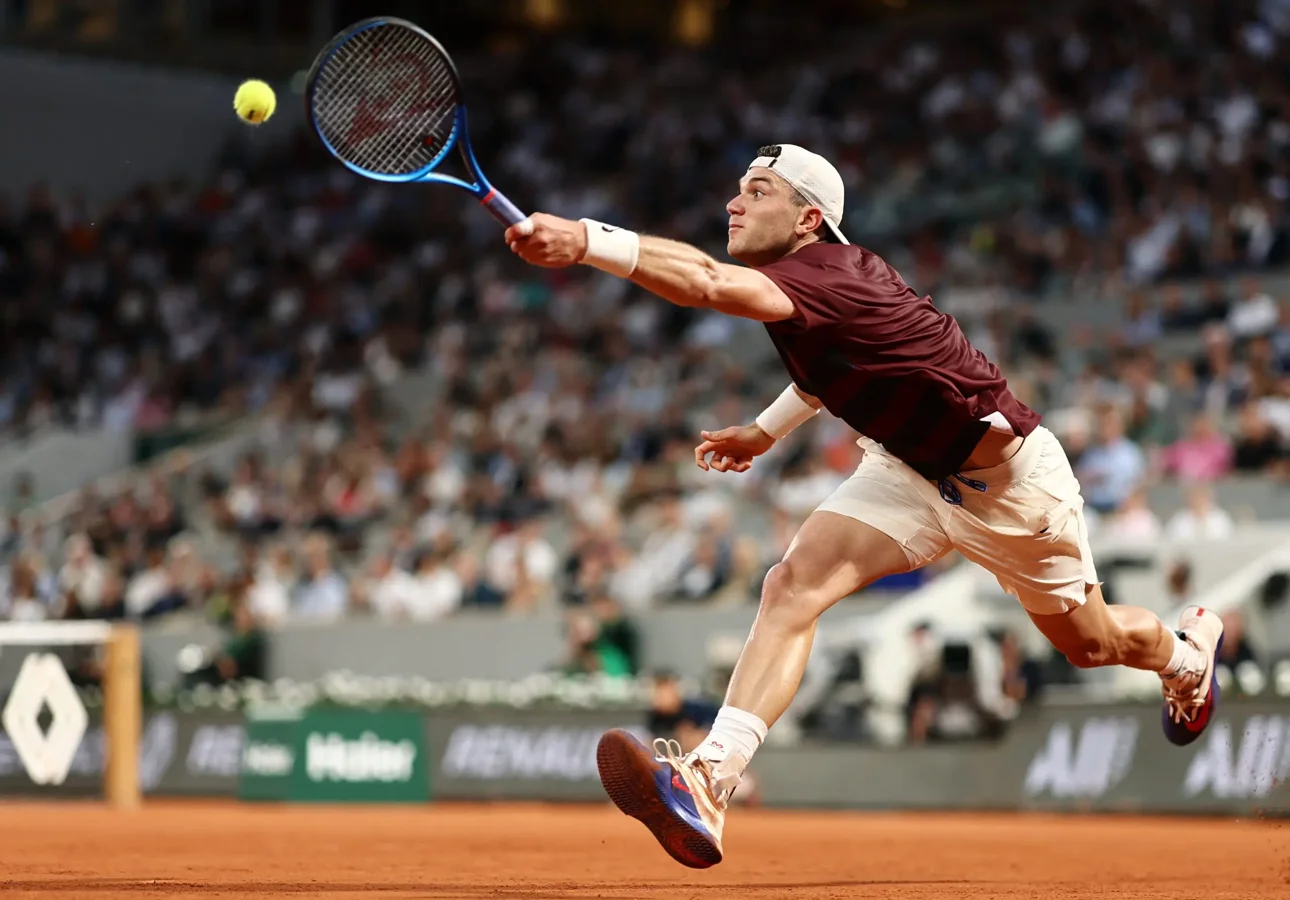
John McEnroe fears Alexander Bublik's full potential, believing he could dominate if he committed fully to tennis.
Alexander Bublik continues to make headlines at the French Open, reaching the quarter-finals and marking a historic moment as the first male tennis player from Kazakhstan to progress this far in a Grand Slam. His remarkable four-set victory over Great Britain’s Jack Draper has set up an intriguing clash with world number one Jannik Sinner, drawing attention to Bublik’s unpredictable but undeniable talent.
John McEnroe Reflects on Bublik’s Unique Abilities and Mindset
John McEnroe, a former tennis legend and current analyst, has commented extensively on Alexander Bublik’s potential, highlighting both his talent and his unconventional approach to the sport. Despite Bublik’s lower ranking as world number 62, McEnroe notes that the player’s skill level is fearsome when he is focused, and warns of what Bublik might accomplish if he committed fully.
Speaking to TNT Sports, McEnroe said,
“Bublik has always been a talented guy, I shudder to think what he would have been like if he actually tried half of the time, he reminds me of (Nick) Kyrgios because it not just about winning or losing, I’ve heard him say before he doesn’t want to be at the top, he wants to entertain and make a nice living from playing tennis.”
McEnroe also expressed initial doubts about Bublik’s mental resilience, admitting he expected Draper to win, but was surprised by Bublik’s performance:
“I thought Draper would beat him, as I didn’t know if Bublik could stick at it mentally. Today, he looked like he could beat anyone.”
Deliberating on team selections for events like the Laver Cup, McEnroe recalled weighing Bublik’s ranking against his attitude, choosing not to pick him due to concerns about his seriousness:
“I used to coach at the Laver Cup, and we looked at Bublik a few times because his ranking was quite high. But I was of the opinion that I wasn’t going to pick him just on that alone because it just felt unfair on those players who take the game a bit more seriously. For me, he looks like he could be in the top 15 in the world, certainly on that form.”
McEnroe summed up the challenge of dealing with Bublik’s unpredictable nature by remarking,
Image of: John McEnroe
“As ex-players, we don’t want to hear players say they’re not going to go all in on everything. Novak, Nadal, Sinner, Alcaraz, they’re like machines, but Bublik is a bit more human out there. Too often, Bublik has tanked (given up).”
Potential Turning Point at the French Open for Bublik
Bublik’s recent performances, especially his creative shot-making and resilience, suggest he may be entering a new phase where greater focus could unlock even more of his talent. Although he has expressed a desire mainly to entertain and enjoy the game rather than aggressively pursue the top rankings, the quarter-finalrun at Roland Garros might inspire a shift in ambition.
With his current streak including a comeback victory against Alex de Minaur from two sets down and a dominant display over Draper, Bublik has proven he can challenge top players when motivated. Despite the challenge ahead against Jannik Sinner, who has been dominant throughout the tournament, this breakthrough offers Bublik a chance to re-evaluate his career priorities.
Having already earned significant prize money, the question remains how much more he could achieve if he intensified his dedication to the sport. His previous highest ranking was number 17 in the world, and at 27 years old, some observers believe he still has time to push back toward that level or beyond.
What Lies Ahead for Kazakhstan’s Breakthrough Star
Bublik’s presence in the French Open quarter-finals has brought attention to Kazakhstan’s rising status in tennis. His match against Jannik Sinner will test how far his raw talent can take him against a player known for relentless consistency and power. This encounter could be a defining moment, possibly determining whether Bublik’s career will follow the path of a dazzling entertainer or one of a serious contender.
John McEnroe’s observations underscore a broader narrative about mindset in tennis, comparing Bublik’s human approach to the mechanical relentlessness of champions like Novak Djokovic, Rafael Nadal, and Carlos Alcaraz. Bublik’s struggle with focus remains a key factor preventing him from fully realizing his potential, but the current run suggests there might be a fresh fire lighting up his ambitions.
As the tennis world watches, the significance of Bublik’s journey extends beyond one tournament—they reflect the ongoing tension between natural talent, dedication, and the mental game that defines success at the highest levels of sport.