
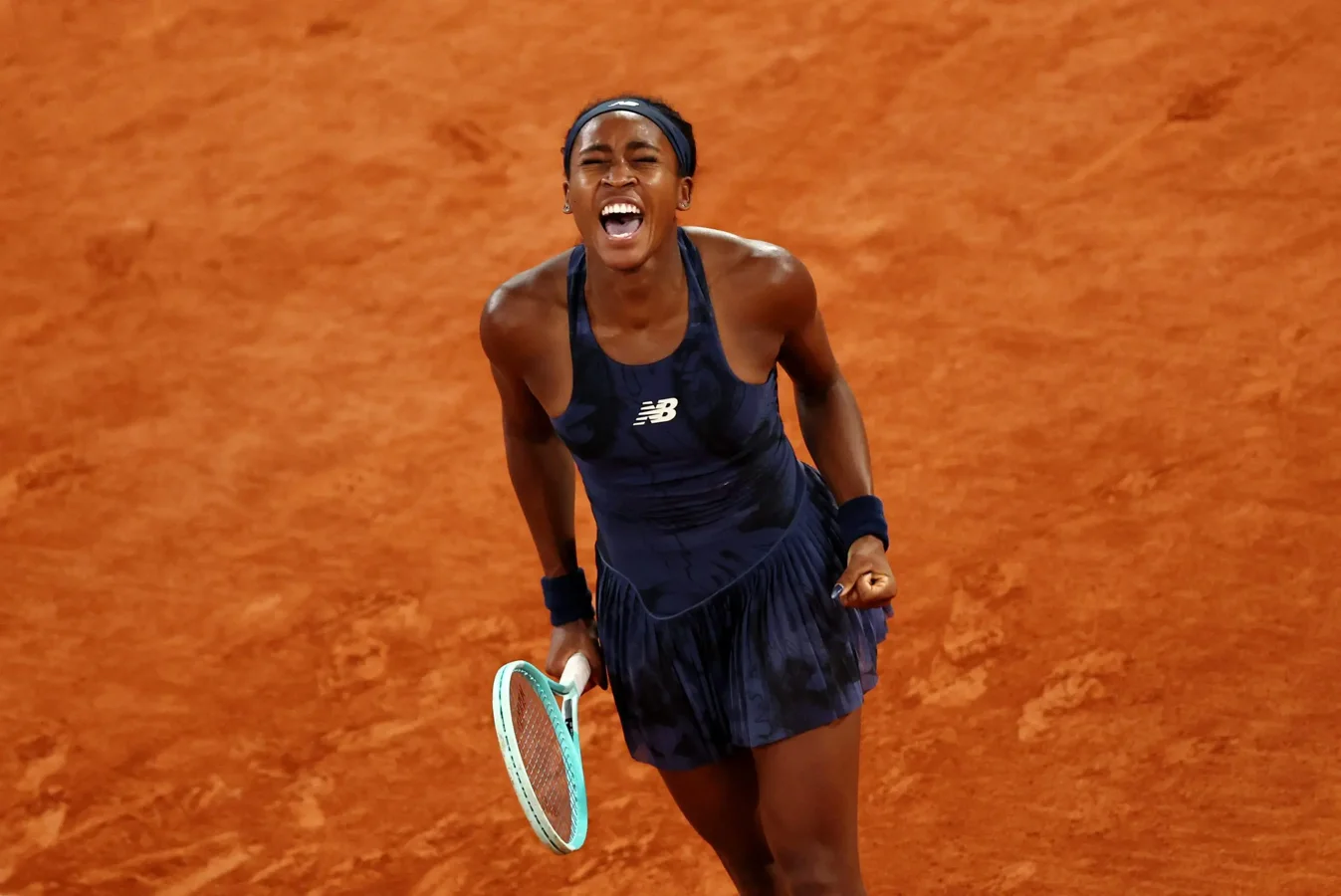

During the French Open final between Aryna Sabalenka and Coco Gauff, commentator Chris Evert received strong criticism for her repetitive remarks, sparking the Coco Gauff French Open final commentary controversy. Fans quickly expressed their frustration over Evert’s coverage, calling for more impartial analysis throughout the match held at Roland Garros.
Public Reaction to Chris Evert’s Commentary at Roland Garros
<pMany viewers felt that Evert’s frequent comments on every shot detracted from the broadcast’s quality. Several spectators argued that her observations were unnecessary and disrupted the flow of the match.
Can someone please tell Chris Evert ( who I admire) that she doesn’t need to make remarks about every shot.
We play tennis and we have eyes..
— ken john (@kenjohn54148265) June 7, 2025
Critics also noted the predictability in her commentary, pointing out that she seemed to rely on repetitive phrases regardless of the action on court. One viewer remarked that annually bringing Evert back for the final only to hear generic praise after good points felt embarrassing for the event.
just a quick reminder — this is a UK channel, not a US one. The Sabalenka vs Gauff final deserves impartial commentary. It’s really noticeable, especially with Chris Evert and co. Please keep it balanced. Thanks.
— JBAZ (@JIBAZ78) June 7, 2025
Many fans emphasized the need for neutral coverage, especially on UK broadcasts, which attract diverse audiences looking for balanced insights rather than commentary perceived as biased. The calls for balanced remarks reflected concerns over impartiality, with some viewers even preferring commentators like John McEnroe over Evert to convey clearer perspectives.
Background on Previous Controversies Involving Chris Evert’s Commentary
This is not the first time Chris Evert has faced backlash for the nature of her analysis. At the 2024 US Open, Evert sparked debate after comments made regarding Czech player Karolina Muchova’s playing style, which some perceived as rooted in gender stereotypes.
During a match, Evert stated that Muchova “plays like a guy,” linking that statement to perceived differences in power and movement between male and female players.
She plays like a guy. She wants to play like a guy. The guys have bigger serves than the women, they have better volleys for the most part, they move a little bit better,
Evert said, as reported by Express.co.uk.
Following the remarks, several players, including Ons Jabeur and Nick Kyrgios, publicly defended Muchova and criticized the gender-based comparison. The resulting backlash compelled Evert to issue an apology to the Czech competitor.
Although the current controversy does not involve gender-related comments, the reaction to her latest commentary on the French Open final demonstrates ongoing audience demand for thoughtful and unbiased sports analysis from former champions turned broadcasters.
Chris Evert’s role as a commentator carries significant influence given her status as an 18-time Grand Slam champion, and her approach during major finals remains under intense scrutiny. The calls for balanced and insightful coverage serve as a reminder that audiences expect commentators to provide clarity and fairness rather than repetitive or biased commentary.