
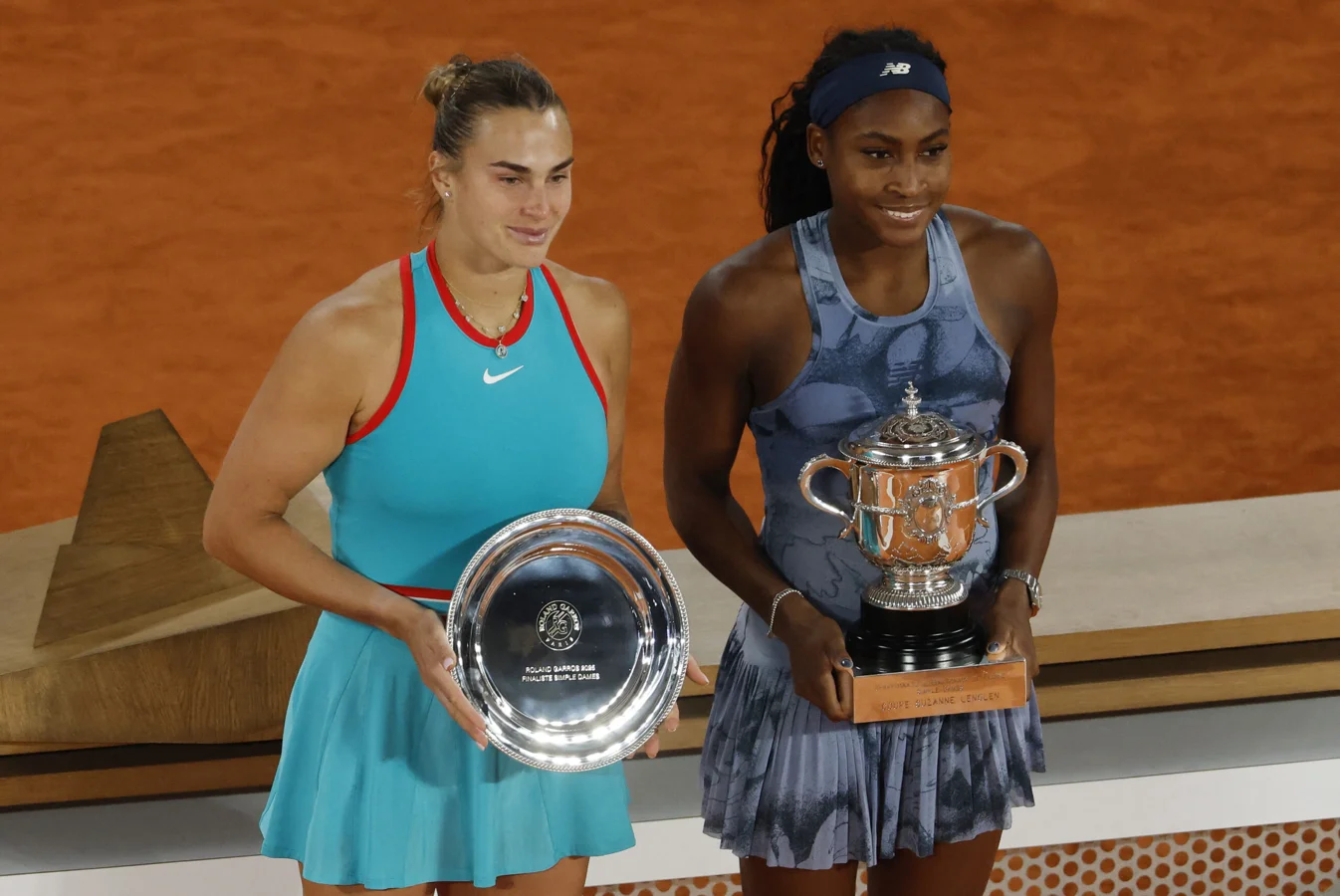

Andy Roddick has openly criticized Aryna Sabalenka’s remarks following her defeat to Coco Gauff in the 2025 French Open final, intensifying discussions around the post-match discourse. The clash unfolded on June 7 at Court Philippe-Chatrier in Paris, where Gauff triumphed to claim the Grand Slam title, while Sabalenka’s comments afterward stirred controversy among fans and tennis experts alike.
Sabalenka’s Struggles and Stirring Statements After French Open Final Loss
The showdown at the 2025 French Open final was emotionally charged, as Aryna Sabalenka, the Belarusian top seed, experienced a frustrating defeat to rising American star Coco Gauff. Sabalenka’s game faltered significantly, marked by being broken nine times and committing 70 unforced errors. The match ended 2-1 in Gauff’s favor, with the American lifting the Coupe Suzanne Lenglen, a momentous victory on the clay courts of Roland Garros.
After the overwhelming loss, Sabalenka’s candid reflection went beyond just acknowledging her poor performance. She described the match as
“the worst final I ever played,”
revealing the depth of her disappointment and struggle to reconcile the outcome. Yet, it was another statement that ignited backlash across the tennis community:
“If Iga would win me another day, I think she would go out today and she would get the win.”
This comment, perceived by many as undermining Coco Gauff’s legitimacy as a champion, drew sharp criticism, notably from former US Open champion Andy Roddick.
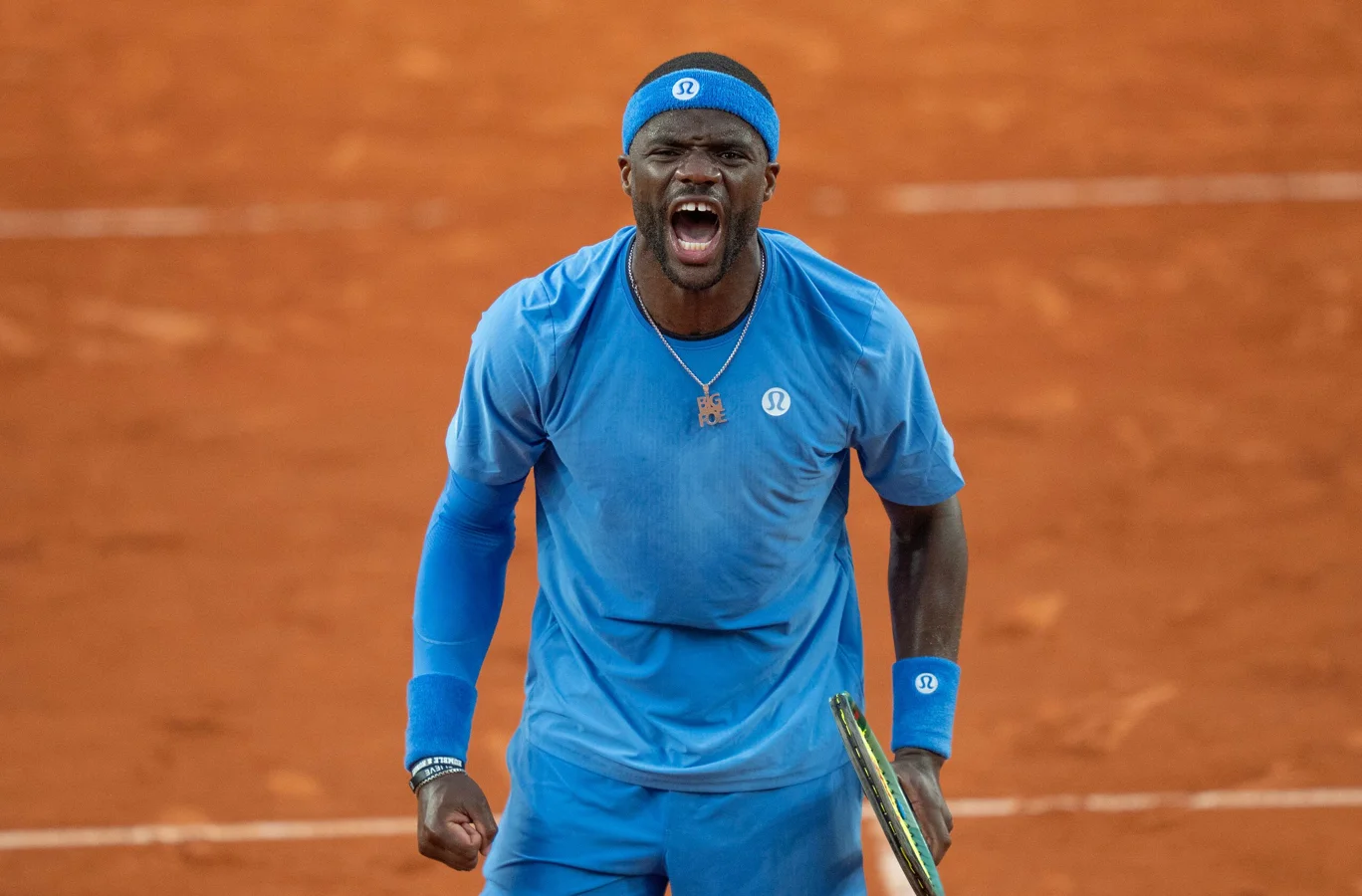
Andy Roddick Takes Aim at Sabalenka’s Post-Match Remarks
On his podcast Served, Roddick expressed his disapproval with Sabalenka’s post-final remarks. Known for his straightforward and analytical views on tennis, the former world number one did not hold back in addressing what he saw as an unnecessary and almost personal critique masked within her words.
Roddick noted,
“Yesterday, I said you know the way that Sabalanka has generally carried herself during post-match ceremonies and all of that stuff. She has been largely good. She normally has a joke or is complimentary. I didn’t really like what she did in the post-match presser yesterday. Talking about how terrible she played, and talking about all this stuff,”
emphasizing that her usual grace seemed missing on this occasion.
He elaborated on the impact of her controversial comment questioning Gauff’s win, saying,
“Talking about how Iga would have won had she played Coco. Like, I don’t know like who like if a frog had wings it wouldn’t bump its a–. What’s the point of saying? I thought was beneath the precedent that she’s set for herself before, and frankly, it doesn’t matter scoreboard wins or losses.”
While Roddick acknowledged the court conditions might have favored Gauff, he stressed that such speculation should not overshadow a player’s victory:
“I think the conditions helped Coco a ton, like a lot. I said it yesterday on the show, but they are what they are. We know the drill at this point, we know the contract, we know sometimes it works for you and sometimes it doesn’t.”
Despite his disappointment, Roddick’s reaction was tempered with understanding of the emotional strain athletes face after major losses. He stated,
“I was disappointed with her going on and about it and I wasn’t privy to her press conference when I said that she generally loses pretty well. I think yesterday was an exception, and I think with time, you know maybe she’ll regret it, maybe she won’t, maybe she doesn’t give a s— about it,”
showing awareness that pressure and emotions can impact a player’s comments.
Roddick clarified his position was not rooted in hostility, sharing personal empathy for Sabalenka’s predicament:
“I’m not going to rip her for it because I’ve been in it. I’ve done worse and had bad emotional states, and it was just it was poor form for her. I was disappointed we did our show, and I generally like Aryna a lot. I think she has a lot to the game. I think she has dealt with losses pretty well before losing to Madison was a heartbreaker too and I thought she was brilliant in the postmortem of that match but it felt like a personal shot at Coco, a little bit like kind of taken away her shine a little bit, which I thought was just unnecessary,”
underscoring the strain and complexity of on-court defeat and public reaction.
Aryna Sabalenka Addresses the Fallout and Honors Coco Gauff’s Victory
After the backlash, Sabalenka responded directly via Instagram to clarify her stance and amid widespread criticism. She confronted the difficult reality of the match, admitting that the conditions exposed her weaknesses but also reaffirmed respect for Gauff’s performance.
She wrote,
“Yesterday was a tough one. Coco handled the conditions much better than I did and fully deserved the win. She was the better player yesterday and I want to give her the credit she earned,”
acknowledging her opponent’s poise and focus.
Sabalenka also took responsibility for her errors, stating,
“You all know me, I’m always going to be honest and human in how I process these moments. I made over 70 unforced errors, so I can’t pretend it was a great day for me. But both things can be true. I didn’t play my best and Coco stepped up and played with poise and purpose. She earned that title. Respect.”
This public admission highlighted Sabalenka’s sportsmanship and maturity, showing willingness to learn and grow despite the sting of defeat. Her words resonated strongly in the tennis world, as she balanced self-critique with acknowledgment of her rival’s deserved triumph.
The Broader Implications of Post-Match Comments in Tennis
The exchange following the French Open final has sparked wider reflection on how athletes manage emotions and public statements after high-pressure matches. Sabalenka’s initial remarks, perceived as undermining Gauff’s achievement, revealed the delicate balance between honest self-assessment and respect for rival competitors.
Andy Roddick’s critical but empathetic response highlighted the challenges professional players face in navigating defeats both internally and publicly. His perspective as a former Grand Slam champion adds weight to the debate on how winners and losers articulate their feelings amid intense scrutiny.
As Sabalenka and Gauff continue to shape their legacies on the tennis circuit, these moments of tension and resolution underscore the human side of elite sport. Fans and analysts will be watching closely to see how both competitors evolve in their careers and public personas after this contentious chapter at Roland Garros.
Ultimately, this incident reminds the tennis community of the importance of grace and sincerity, even when facing crushing losses. It also reaffirms Coco Gauff’s growing stature as a player capable of not only winning titles but withstanding the pressures that come with being a Grand Slam champion.