
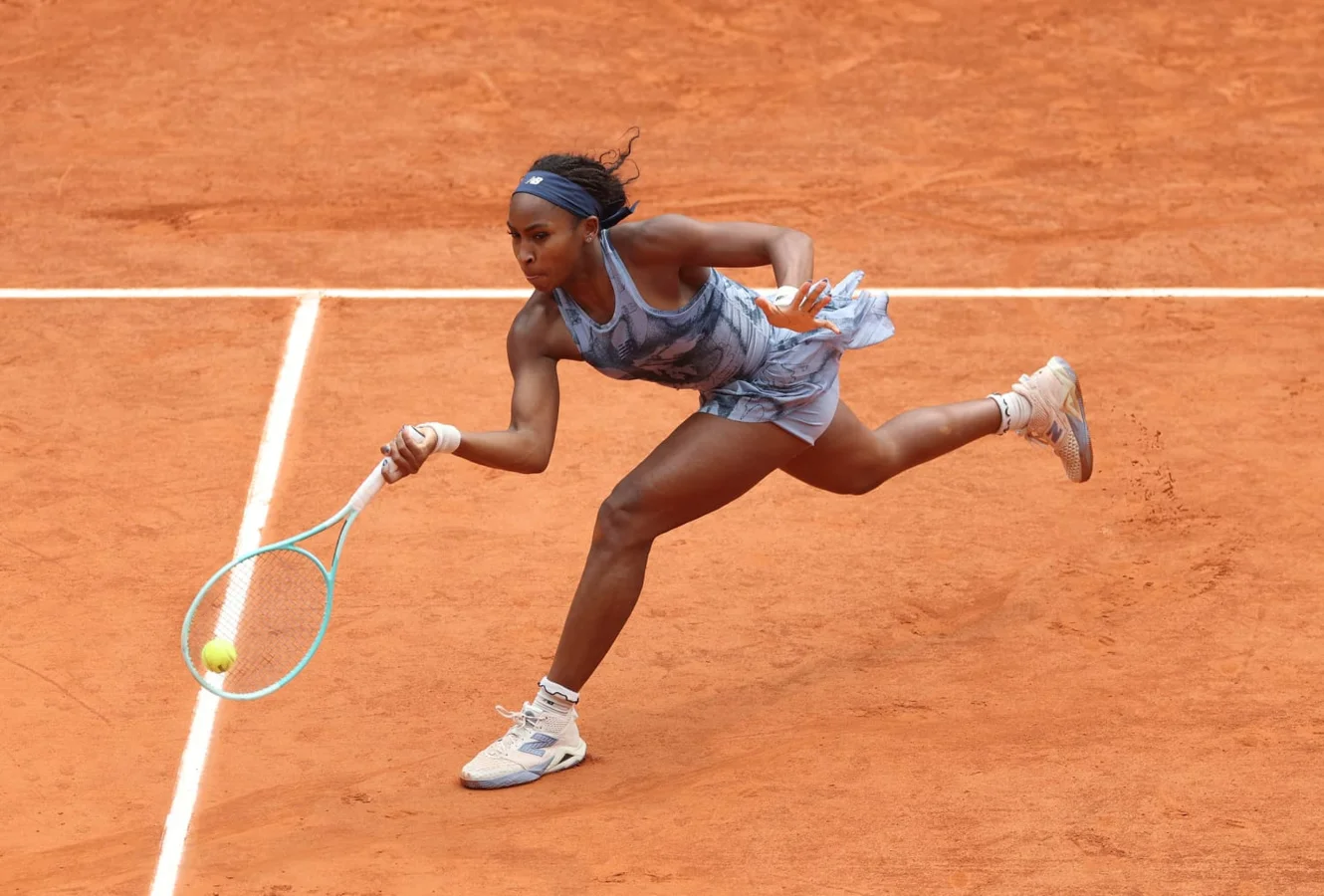

Patrick Mouratoglou, coach of Naomi Osaka, has sparked widespread discussion after stating that current WTA players Coco Gauff and Iga Świątek have not yet achieved the superstar status held by legends like Serena Williams. Mouratoglou made these remarks amid ongoing debates about gender representation in prime-time tennis matches at Roland Garros.
Rather than retracting his comments amid the controversy, Mouratoglou reinforced his position, arguing that true superstar status is defined by cultural impact and fan engagement, not merely rankings or tournament wins.
Mouratoglou Addresses Backlash Over Comparisons Between Current Stars and Serena Williams
The remarks surfaced during heated discussions about the scheduling of matches at the French Open, where only men’s matches were assigned the prestigious night session slots throughout the tournament. These 8:15 p.m. local time sessions are considered prime viewing due to their marquee status, but the exclusion of women’s players from this time drew criticism, fueling accusations of gender bias.
In response, Mouratoglou released an explanatory video titled Are Night Sessions Really Gender-Biased? where he offered insight into the tournament’s programming choices, attempting to justify why female players were absent from night matches.
In a detailed follow-up posted on Instagram, Mouratoglou addressed the public backlash directly, clarifying what he means by the word “superstar.” He emphasized that being a superstar goes beyond being a top player or winning Grand Slams.
There is a real difference between being a top player playing incredible tennis and being a star,
Mouratoglou said.
I explained that women’s tennis at the moment lacks superstars.
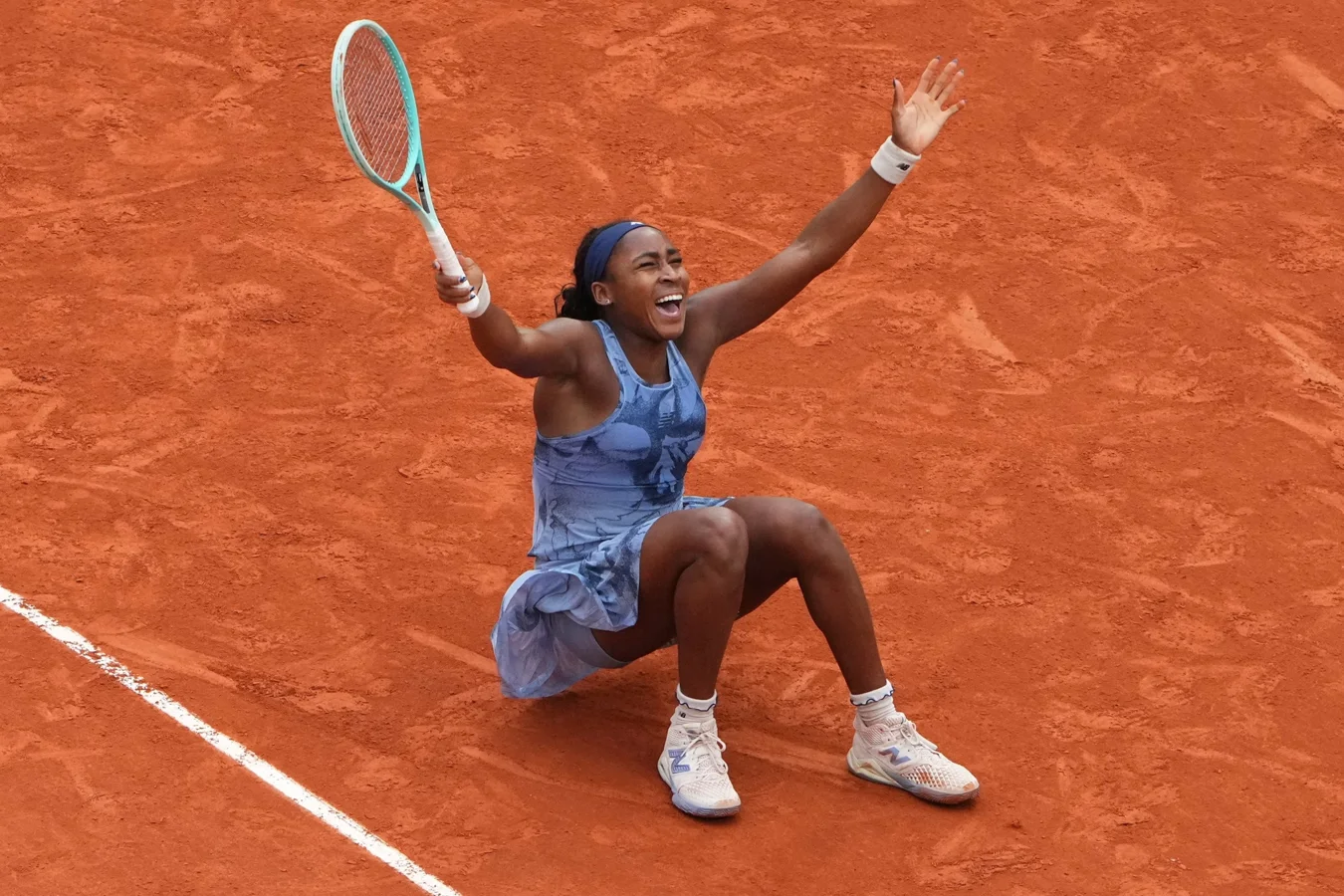
He stressed that these statements were not intended as insults toward Gauff and Świątek but as observations on the current level of their influence beyond the court. Mouratoglou acknowledged Coco Gauff as a player with significant aura in women’s tennis today.
There is one big star, I think, in women’s tennis, which is Coco. In terms of aura, she’s higher than anyone at the moment. I’m not saying that they will not be in the future.
He also referenced earlier eras, noting the impact of iconic figures such as Serena and Venus Williams and Maria Sharapova. Mouratoglou pointed out that both women’s and men’s tennis have experienced periods without a superstar of comparable impact.
I said that there has been huge superstars in women’s tennis. I’m thinking about Serena, Venus [Williams], [Maria] Sharapova. And it can happen to men’s tennis also to have some era when you don’t have stars. It happened in the past. Between the Sampras-Agassi and the Roger-Rafa, there were no superstars of that level on men’s tennis.
Understanding the Unique Cultural Influence of Serena Williams
Mouratoglou further illustrated the difference between athletic success and global cultural influence by highlighting Serena Williams’ unparalleled ability to resonate beyond the sport itself. He recalled historic moments such as the U.S. Open women’s final selling out before the men’s for the first time in history, a milestone tied directly to Serena’s presence.
He also shared a personal anecdote from Sweden:
When we went to Bastad in Sweden with Serena, the year before the final wasn’t sold out. Serena comes, and before the tournament even starts, the whole week is sold out.
This exemplifies what Mouratoglou calls the “superstar effect,” where certain individuals fill arenas and capture public attention far beyond their sport. He explained:
Superstars fill up stadiums. There are people who step onto the court, and they take it over. They’re able also to have an aura out of the court, and they become big. Take a taxi and ask questions. Oh, do you know tennis? No, I’m not a tennis fan. Okay, who do you know? 90% of the time I ask women, Serena.
Most of the time, the men say, oh, Rafa. They are way beyond tennis. Those people are not tennis fans, but they know Serena. Everybody knows Serena.
The Broader Impact and Ongoing Discussion in Tennis
Mouratoglou’s comments arrive at a sensitive moment for tennis, particularly regarding gender equity in tournament scheduling and the recognition of women’s sports stars. His emphasis on cultural impact highlights the challenge current players face in transcending tennis circles to become household names in the way Serena Williams did.
The ongoing conversation about what defines a superstar influences how tournaments market their players and schedule matches, reflecting broader societal conversations on visibility and representation. As players like Coco Gauff and Iga Świątek continue to develop their careers, the tennis world will watch to see if they can achieve the kind of star power Mouratoglou says is missing.