

American tennis star Coco Gauff has openly defended her decision to speak out against gun violence in the United States, emphasizing the importance of using her voice despite facing criticism. After publicly calling for an end to gun violence in response to tragic shootings, Gauff stood firm on her message ahead of major tournaments in 2022, asserting that her intent was to honor victims and raise awareness to prompt political action.
Gauff’s Public Plea Amidst Grand Slam Milestones
At the 2022 French Open, Coco Gauff made headlines not only for reaching her first Grand Slam final but also for the message she shared on camera. Following a commanding semifinal victory over Martina Trevisan, where she triumphed 6-3, 6-1, Gauff prepared to face top-seeded Iga Swiatek in the final. Instead of focusing solely on the title, she dedicated her moment in the spotlight to victims of gun violence, specifically referencing the tragic shootings at a Tulsa medical center and a school in Uvalde, Texas.
“Peace. End gun violence,” Gauff wrote.
The powerful, succinct statement sparked both praise and backlash, as many questioned the impact such a message could have when delivered by an athlete.
Standing Firm in Face of Criticism
Weeks after the French Open, Gauff addressed the reactions to her statement in an interview with The Guardian ahead of Wimbledon. She acknowledged skepticism surrounding her effort but remained resolute in her purpose.
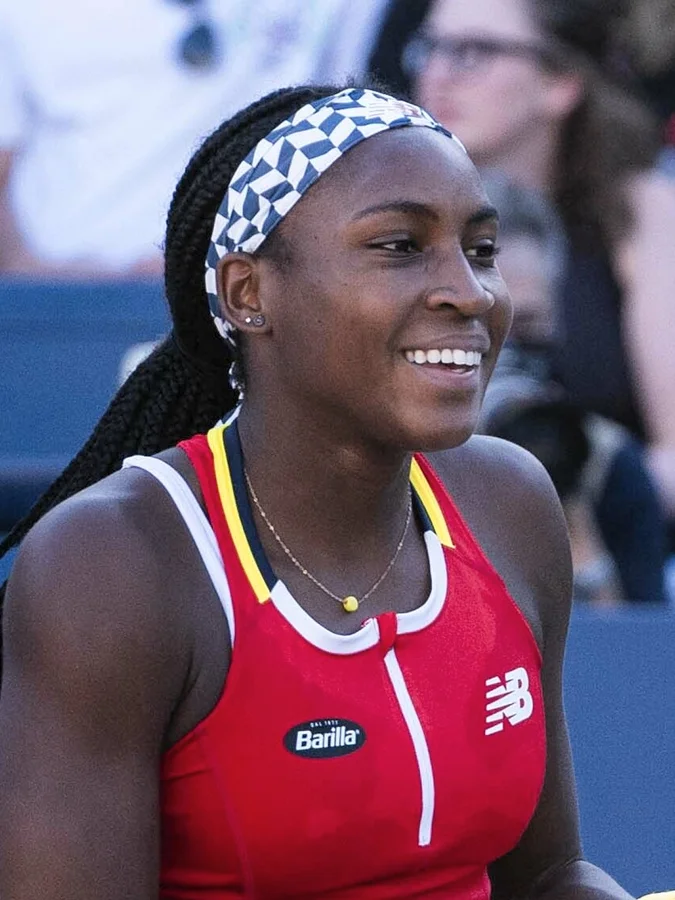
“I don’t really care about the praise or the backlash. Obviously there was some backlash. People are like: ‘Oh, what’s one message going to change anything?’” Gauff said.
She emphasized that her message was less about personal acclaim and more about connecting with those in positions of power who could effect change. While aware that one message alone could not end gun violence, she believed the statement contributed to a broader call for awareness and action.
“And I mean, I understand me writing on the camera isn’t going to change or stop gun violence from happening. But it’s all about getting the message out there and getting to the people in office who have the actual power to change this,” she explained.
“I know one thing is not going to change anything, but it’s not about me. It’s about the bigger picture. So when I write these things, I don’t care about the praise or the backlash that I get because I didn’t write it for me. I wrote it for those people who lost their lives not only this year, but in the past,” she added.
Support from Tennis Legends and Personal Influences
Coco Gauff received encouragement from tennis icon Billie Jean King, who underscored the connection between sports and political activism. The young athlete expressed gratitude for King’s support, recognizing the powerful role athletes can play in addressing social issues.
Gauff has also spoken about the influence of her grandmother in shaping her awareness and responsibility to raise her voice on important matters. In the same Guardian interview, she shared her perspective on using her platform to create even small shifts in public consciousness.
“I’m thankful for the platform that I have and I know how many people that it reaches. I’m aware of that. So I try to make sure I use it to speak out about issues that can maybe slightly change some things. You know, I don’t think I’m going to change the world. I’m not delusional, but I think it could change some people in the world,” Coco Gauff said.
Challenges on the Tennis Court Amid Advocacy
Following her run to the French Open final, where she lost to Iga Swiatek 6-1, 6-3, Gauff aimed to secure her first Grand Slam singles title at Wimbledon. However, her bid was cut short in the third round by Amanda Anisimova, who won 6-7(4), 6-2, 6-1. Despite the early exit, Gauff’s focus remained on leveraging her visibility to spotlight urgent social issues beyond the sport itself.
The Broader Impact of Gauff’s Message
Coco Gauff’s willingness to integrate activism with her athletic career signals a growing trend among young athletes who recognize their influence extends beyond sports. Her determined stance against gun violence contributes to ongoing conversations about the responsibilities of public figures to advocate for change. While individual messages may not immediately alter policies, her efforts help maintain pressure on political leaders and keep attention on critical human rights concerns. As Gauff continues competing, her advocacy is likely to remain a defining part of her public identity, inspiring others to use their platforms for social causes.