


American tennis professional Sloane Stephens recently opened up about the difficult period she faced after undergoing her initial egg freezing procedure, revealing that the challenges were not only physical but also psychological. She praised the Women’s Tennis Association (WTA) for introducing a new policy aimed at protecting female athletes’ fertility, which she believes will expand opportunities for women in the sport.
The WTA’s new Special Entry Ranking (SER) rule allows female players who take time off for fertility-related procedures like egg or embryo freezing to maintain entry into tournaments upon their return. This policy applies to players ranked within the top 750 worldwide and provides protected entry for up to three tournaments, including events as significant as WTA 500 competitions.
Details of the Fertility Support Policy and Stephens’s Personal Journey
After the WTA announced the SER rule, Stephens spoke about how the change positively impacts female players. She recounted the difficulties she experienced when she paused competition to freeze her eggs and described how she adjusted her approach the second time to better manage recovery and physical condition.
The first time I did it, I rushed back and I was overweight and not happy – and just very stressed out. The second time I did it I took a totally different approach so I could just be in better shape: I could have the surgery, I could have more time to recover,
she explained.
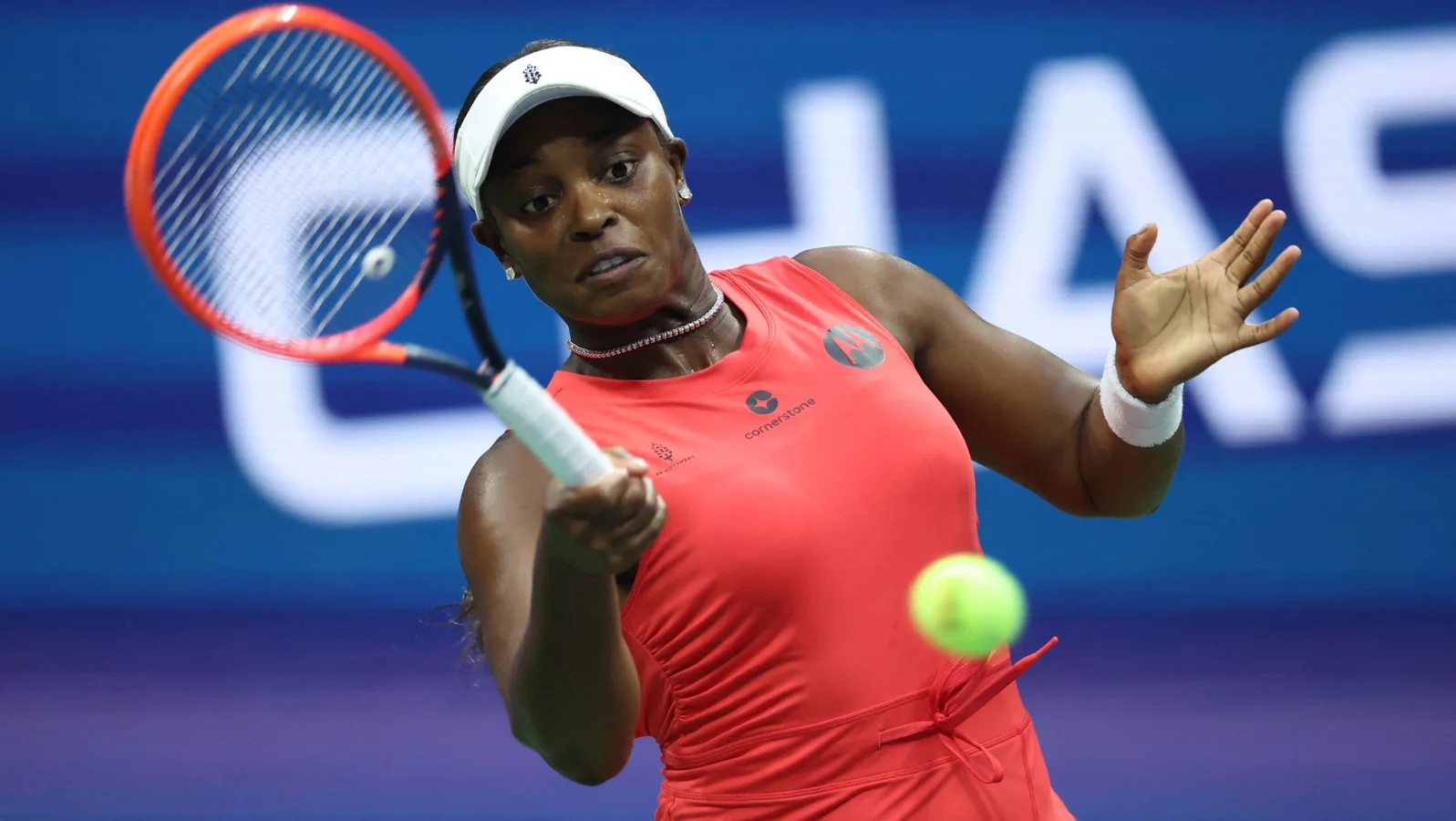
Stephens emphasized that the protected ranking gives players the flexibility to take the time they need without feeling pressured to return prematurely, which could threaten their health. She noted the variation in recovery times among players and highlighted the importance of accommodating these differences.
So having the protected ranking there, so that players don’t feel forced to come back early and risk their health again, is the best thing possible. Someone might be out for three months, someone might be out for one week,
Stephens added.
Stephens underwent her first egg-freezing cycle in 2022 at the age of 29 with the support of fertility provider Kindbody. The process involved a 12-day hormone treatment that caused about a 20-pound weight gain, forcing her to suspend intense training during the off-season. Learning from that experience, she chose a more measured recovery strategy the following time.
Sloane Stephens’s Role in Advocating for the Policy Change
Beyond supporting the policy, Stephens identified herself as a key figure in promoting the player-driven initiative behind it. The 32-year-old athlete highlighted the challenge that many female professionals face: trying to balance peak athletic performance with peak fertility years.
We want to really help players address this conundrum where peak athletic performance coincides with the time period of peak fertility, so players are often faced with this tough choice of how to really maximise and optimise those years,
she said.
The WTA’s broader efforts to support female athletes extend beyond fertility protection. The organization now allows over 320 players to take up to 12 months of paid maternity leave, guaranteeing equal pay regardless of ranking. Players returning from maternity leave can use their previous ranking for entry into up to 12 tournaments over three years.
In addition, the WTA provides access to comprehensive medical support, including physical examinations, mental health resources, and assistance to ensure a safe return to competition. Financial aid for fertility treatments is also part of the new support framework.
Significance of the WTA’s Fertility Policy for Women’s Tennis
The introduction of the fertility protection policy represents a landmark step for women in professional tennis, offering crucial safeguards for athletes managing both health and career goals. By allowing players like Sloane Stephens to focus on recovery without sacrificing their competitive standing, the WTA is encouraging a healthier balance between motherhood and sports careers.
As more athletes take advantage of these new provisions, the policy is expected to reshape how female tennis players approach fertility planning, reducing stress and potential health risks. This progressive approach may also influence other sports organizations to adopt similar measures, promoting broader support for women athletes worldwide.